Home
How Much Sodium Is in Old Bay Seasoning and Is There a Salt-Free Version?
Original Old Bay Seasoning contains 125mg of sodium per 1/4 teaspoon (0.6g) serving. The "Less Sodium" alternative contains 85mg of sodium per serving, a 30% reduction. While no official 100% salt-free version exists, you can easily create a zero-sodium substitute using celery seed and a blend of 18 spices.
Exactly How Much Sodium Is in a Serving of Old Bay?
When evaluating the nutritional profile of this iconic Chesapeake seasoning, the primary concern for many health-conscious cooks is the salt content. According to official manufacturer data from McCormick , the Original Old Bay blend contains 125mg of sodium per 1/4 teaspoon serving.
It is important to note that a 1/4 teaspoon is a remarkably small volume—roughly the weight of a paperclip (0.6 grams). In real-world cooking scenarios, such as seasoning a large pot of shrimp or a tray of french fries, most users significantly exceed this serving size. If you are monitoring your intake for medical reasons, understanding this baseline is critical for accurate tracking.
You may encounter conflicting data in various third-party nutritional databases. For instance, some platforms like StrongrFastr have historically listed the count as 95mg, while others have reported figures as high as 140mg. These discrepancies often stem from outdated labels or differences in regional packaging. However, the 125mg figure is the current verified standard for the North American market as of 2026.
Comparing the Original Blend to the Less Sodium Version
For those looking to reduce their salt intake without abandoning the signature flavor profile, the "Less Sodium" version stands out as a top choice. This variant contains 85mg of sodium per 1/4 teaspoon, which represents a 30% reduction compared to the original.
Does the reduction in salt compromise the taste? Many culinary experts suggest that the "Less Sodium" version maintains the aromatic complexity of the original—including the distinct notes of bay leaf, mace, and cardamom—but feels slightly less "sharp" on the palate. Because salt acts as a flavor enhancer, you might find yourself needing to use slightly more of the lower-sodium version to achieve the same impact, which can inadvertently negate the health benefits if not measured carefully.
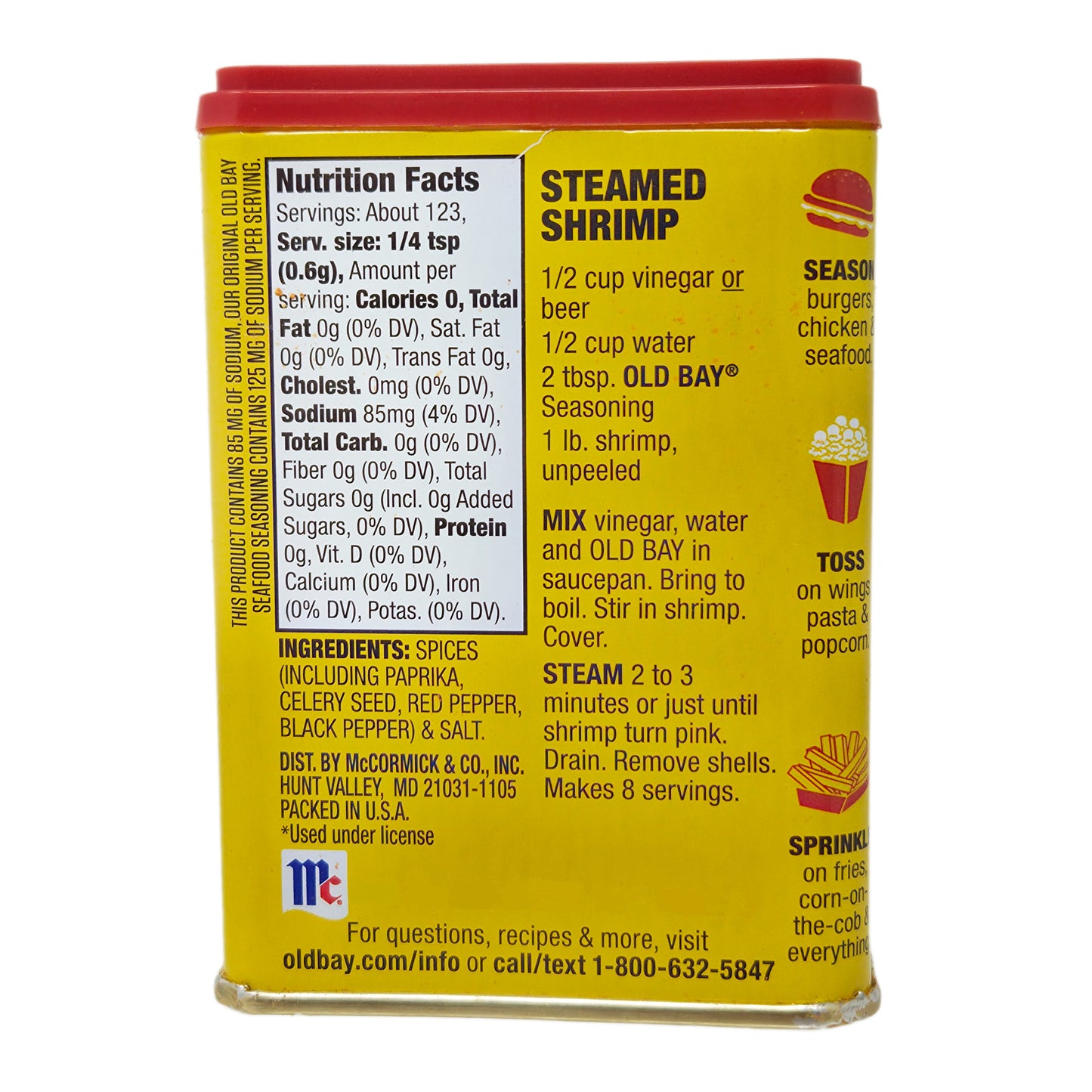
Image source: Healthy Heart Market
| Product Name | Sodium (1/4 tsp) | Sodium (1 tsp) | % Daily Value* |
|---|---|---|---|
| Old Bay Original | 125mg | 500mg | 5.4% |
| Old Bay Less Sodium | 85mg | 340mg | 3.7% |
| Zatarain’s Creole | 350mg | 1,400mg | 15.2% |
| Tony Chachere’s Original | 380mg | 1,520mg | 16.5% |
*Based on the FDA maximum daily limit of 2,300mg.
How Old Bay Sodium Content Affects Your Daily Heart Health
The American Heart Association (AHA) recommends a maximum daily sodium intake of 2,300mg for healthy adults, with an "ideal" limit of 1,500mg for those with hypertension or existing heart conditions. When you consider that a single teaspoon of Original Old Bay provides 500mg of sodium, it becomes clear how quickly this seasoning can consume your daily "budget."
Sodium plays a vital role in fluid balance and nerve function, but excessive consumption leads the body to retain water, increasing the volume of blood in the vessels. This process puts additional strain on the heart and arteries. If you are preparing a meal where multiple components are seasoned—such as shrimp, corn on the cob, and potatoes—the cumulative effect can be significant.
To manage this, many nutritionists recommend "layering" flavors. Instead of relying solely on the seasoning for a salty "bite," try supplementing with fresh lemon juice, high-quality vinegar, or extra black pepper. These acidic and pungent elements can trick the palate into feeling satisfied with less salt.
Calculating the Salt in a Tablespoon vs a Teaspoon
In the context of a large-scale seafood boil, recipes often call for tablespoons or even fractions of a cup rather than teaspoons. Understanding the math behind these measurements is essential for maintaining a heart-healthy diet.
- 1 Teaspoon: Contains 500mg of sodium. This is roughly 33% of the AHA's ideal 1,500mg daily limit.
- 1 Tablespoon: Contains 1,500mg of sodium. A single tablespoon of Original Old Bay meets 100% of the ideal daily limit for individuals with hypertension.
- 1/4 Cup: Often used in commercial-sized boils, this volume contains a staggering 6,000mg of sodium.
While much of the seasoning in a boil remains in the water and is not fully absorbed by the food, the porous nature of potatoes and corn means they can act as sponges for the salt. If you are the cook, consider using the "Less Sodium" version for the bulk of the boil and only using the Original blend for a light dusting at the end to preserve the aroma.
How Old Bay Rims on Beer and Cocktails Add Hidden Sodium
In Baltimore and across the Mid-Atlantic, the "Crabby Bo" (a Natty Boh beer with an Old Bay rim) and Old Bay-rimmed Bloody Marys are cultural staples. However, this practice introduces a significant amount of "hidden" sodium that many people fail to track.
Rimming a standard pint glass typically requires between 1/8 and 1/4 teaspoon of seasoning. Because this salt is placed directly on the rim, it is ingested immediately with every sip. A single cocktail could easily add 60mg to 125mg of sodium to your daily total before you have even taken a bite of food. For those on a strict low-sodium diet, this "liquid sodium" can be a major contributor to exceeding daily limits.
Why Is Old Bay So High in Sodium?
The primary reason for the sodium level is the ingredient hierarchy. The very first ingredient listed on the label is Celery Salt . Celery salt is a mixture of common table salt and ground celery seeds. In the spice industry, salt is frequently used as a "carrier" for more volatile and expensive spices like mace, ginger, and cardamom.
The blend consists of 18 different spices, many of which are highly aromatic but lack the "punch" required to stand up to heavy proteins like crab or chicken without the assistance of salt. The salt acts as a bridge, opening up the taste buds and allowing the subtle notes of the bay leaves and cloves to become more perceptible.
How to Make a Salt-Free Old Bay Substitute That Actually Tastes Good
If you need to eliminate sodium entirely, you can create a remarkably accurate copycat at home. The secret lies in swapping celery salt for freshly ground celery seed . Celery seed provides the exact same earthy, slightly bitter flavor profile but contains 0mg of sodium.
The Salt-Free "Chesapeake" Blend Recipe
- 1 tbsp Ground Celery Seed (0mg sodium)
- 1 tbsp Smoked Paprika (for color and depth)
- 1 tsp Ground Black Pepper
- 1/2 tsp Ground Cayenne Pepper (adjust for heat)
- 1/2 tsp Ground Mace (essential for the authentic "Old Bay" smell)
- 1/4 tsp Ground Ginger
- 1/4 tsp Ground Cardamom
- 1/4 tsp Ground Cloves
- 2 Ground Dried Bay Leaves (pulse until they are a fine powder)
Closing the Umami Gap in Homemade Seasoning Blends
Many people find that DIY salt-free seasonings taste "dusty" or flat. This is known as the "Umami Gap." Salt provides a savory satisfaction that is hard to replicate with spices alone. To fix this, consider adding a small amount of nutritional yeast to your blend. It provides a nutty, savory depth without adding sodium.
Another option is a tiny pinch of MSG (Monosodium Glutamate). While the name sounds intimidating, MSG actually contains about 60% less sodium than table salt by weight. Using a very small amount can provide the savory "kick" you miss from the original blend while still significantly reducing your overall sodium intake.
Is Old Bay Seasoning Healthy for Specific Diets?
Beyond the sodium discussion, Old Bay is widely regarded as a clean-label product. It is Beyond Celiac certified , meaning it is safe for those with Celiac disease or gluten sensitivities. It contains 0g of carbohydrates and 0g of sugar, making it a staple for Keto and Paleo enthusiasts.
For those following a Low FODMAP diet, Old Bay is generally considered safe as it does not contain garlic or onion powder—two common triggers for digestive distress. However, always check the label of store-brand "Seafood Seasonings," as they often add garlic to save on the cost of more expensive spices like mace.
The History of the Iconic Metal Tin and Its 2026 Return
The story of Old Bay is one of resilience. It was created in 1939 by Gustav Brunn, a German-Jewish immigrant who fled Nazi Germany and settled in Baltimore. Brunn brought his own spice grinder with him, and the blend he created—originally called "Delicious Brand Shrimp and Crab Seasoning"—eventually became the flavor of the Chesapeake.
The return to metal tins in 2026 is a significant advancement for quality. Metal provides a superior barrier against light and oxygen, which are the two primary enemies of ground spices. This change ensures that the volatile oils in the bay leaves and peppers remain potent for a longer period.
Frequently Asked Questions
McCormick does not currently manufacture a 0mg sodium version. The "Less Sodium" version is the lowest commercial option available. However, you can make a 100% salt-free version at home by using celery seed instead of celery salt.
Old Bay does not "spoil" in a way that will make you sick, but it does lose its potency. For the best flavor, use it within 1-2 years. The new 2026 metal tins help extend this shelf life by protecting the spices from light degradation.
Yes, the ingredients are entirely plant-based. It contains no animal by-products, making it suitable for vegan and vegetarian diets.
A standard teaspoon contains 500mg of sodium. This is calculated by multiplying the 1/4 tsp serving (125mg) by four.
Yes, but it requires careful measurement. Using the "Less Sodium" version and limiting yourself to a single 1/4 tsp serving (85mg) can fit into most heart-healthy meal plans.
Key Takeaways: Managing Your Sodium Intake
Understanding the sodium content in your favorite seasonings is the first step toward better heart health. Here is a summary of what you need to know:
- Check the Label: Original Old Bay has 125mg of sodium per 1/4 tsp; the Less Sodium version has 85mg.
- Measure, Don't Shake: Blindly shaking the tin can easily result in 2-3 servings (250mg-375mg) on a single plate of food.
- Watch the Rims: A rimmed cocktail glass adds significant hidden sodium directly to your lips.
- DIY for Zero Salt: Use celery seed and freshly ground bay leaves to replicate the flavor with 0mg of sodium.
- Layer Flavors: Use lemon, vinegar, and extra black pepper to provide the "bite" that you might otherwise seek from salt.
- Storage Matters: The 2026 return to metal tins ensures your spices stay fresher and more aromatic for longer.
Start by swapping your Original tin for the Less Sodium version today to reduce your intake by 30% without losing the classic Chesapeake flavor.