Home
How to Become a Professional River Guide and What the Job Is Actually Like
Becoming a professional river guide requires a 7-to-14-day intensive training program focusing on hydrology, swiftwater rescue, and boat maneuvering. While marketing often highlights "luxury camping," the job is primarily that of a relocation specialist , involving heavy physical labor, gear management, and backcountry hygiene. Success in the industry depends more on humility and a commitment to safety than on adrenaline-seeking.
What Does a River Guide Actually Do Every Day?
To the outside observer, the life of a river guide looks like a perpetual vacation. You see them navigating sparkling rapids, sharing stories by a campfire, and rowing through majestic canyons. However, industry veterans often describe the role as a "relocation specialist" rather than just a paddler. According to NW Rafting , the job is primarily about moving heavy, awkward gear from trucks to boats, from boats to camps, and back again.
The physical demands are significant. A typical day begins long before the guests wake up. Guides are responsible for rigging the boats, which involves securing hundreds of pounds of gear—coolers, kitchen boxes, dry bags, and frames—using complex strap systems. This labor is repetitive and taxing. Longevity in this career depends on understanding the "Shared Load" principle: knowing when to ask for help with heavy gear boats to prevent long-term back injuries.
Beyond the physical labor, there is the "Monotony of Magic." While the rapids provide excitement, the bulk of a guide's time is spent on chores. Scrubbing Dutch ovens, setting up groovers (backcountry toilets), and organizing communal spaces are the tasks that define a professional. As noted by Source 5 , finding joy in these monotonous chores is what separates those who last one season from those who build a career on the water.
How to Get Certified as a Professional River Guide
Entering the profession requires formal education. While you don't need a college degree, you must complete a state-sanctioned or company-specific training program. These schools are designed to break down your existing habits and rebuild them around safety and hydrology.
State-by-State Training Standards and Requirements
Training requirements vary significantly depending on the river's classification and state regulations. In Colorado, for example, the Colorado River Guide Training Program offers state-sanctioned 14-day intensives. These programs are highly competitive, sometimes limiting intake to just 5 or 6 applicants to ensure personalized instruction.
In California and Oregon, programs like those offered by OARS typically last 7 to 9 days. These schools often integrate two full days of formal swiftwater rescue training, which is a critical credential for working on technical Class IV water. Utah programs tend to focus more on multi-day wilderness logistics and desert hydrology, preparing guides for the unique challenges of the Green and Colorado Rivers.
Core Curriculum and Hydrology Fundamentals
Training isn't just about rowing; it's about reading the water. Students must master hydrology, which includes identifying hazards like strainers (fallen trees), sieves (rocks that let water through but trap bodies), and undercuts. You will learn to recognize "downstream Vs" that indicate safe passage and "hydraulics" that can flip a boat.
Prerequisites for these schools generally include being at least 18 years old (though some allow 16 with a guardian) and possessing strong swimming proficiency in moving currents. You don't need to be an Olympic swimmer, but you must be comfortable in turbulent water and capable of self-rescue.
| State | Typical Length | Key Focus Areas | Authority/Example |
|---|---|---|---|
| Colorado | 14 Days | State-sanctioned safety & hydrology | CO Rafting Company |
| California | 7-9 Days | Swiftwater rescue & technical Class IV | OARS |
| Utah | 7-9 Days | Multi-day logistics & desert environment | OARS |
| Oregon | 9 Days | Technical rowing & wilderness ethics | NW Rafting |
The Foot Care Manifesto to Prevent the Most Common Guide Injury
While many novices worry about drowning or hitting rocks, the most common injury in the industry is far less dramatic: foot infections. According to ROW Adventures , foot fungus and bacterial infections are more prevalent than musculoskeletal injuries among professional guides.
The "Camp Shoe" Protocol is a mandatory practice for anyone spending more than two days on the water. As soon as you hit camp, you must transition out of your wet river sandals and into dry, closed-toe shoes with socks. The socks pull moisture away from the skin, allowing the feet to dry thoroughly. Failure to do this leads to "trench foot" or severe fungal outbreaks that can end a season prematurely.
Furthermore, walking barefoot in river sand is a professional "no-go." River banks often hide hazards like broken glass, rusted fishing hooks, and sharp rocks. A small cut in a river environment can quickly become infected due to the bacteria present in the water. For this reason, anti-fungal cream and antiseptic wipes are considered mandatory items in a guide's personal dry bag.
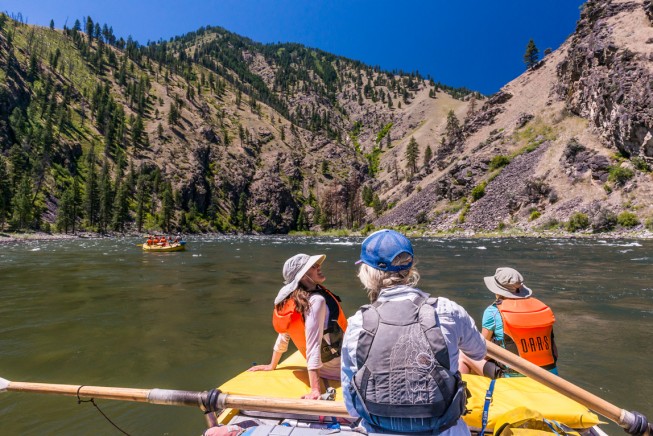
Image source: OARS
Essential Gear You Need to Own Before Your First Season
When you attend guide school, the company usually provides the heavy equipment: PFDs (Personal Flotation Devices), helmets, wetsuits, and splash jackets. However, once you start working, you are expected to have a personal kit that reflects your professional status.
Sun protection is the most critical part of the kit. Sun hoodies have become the industry standard because they prevent PFD chafing on the neck and provide UV protection without the need for constant reapplication of lotion. Another insider tip from Source 1 is the use of waxy face-sticks specifically for the backs of the hands. This is a high-burn area for rowers, and standard lotions often wash off or make the oars slippery.
The "Glove Debate" is a common topic among pros. While gloves protect against sun and blisters, many guides avoid them because they lose the tactile connection to the "guide stick" or oars. If you choose to go gloveless, building up calluses during the pre-season is essential. Your personal dry bag should also include high-quality rain gear, a reliable river knife, and a whistle that works even when wet.
Digital vs. Analog Tools for Navigating the Modern River
Navigation on the river is a blend of old-school intuition and modern technology. Traditionalists still rely heavily on waterproof guidebooks and physical maps, which are essential for remote canyons where GPS signals can be blocked by high walls. Companies like NRS provide these durable resources that don't require batteries.
However, digital tools are becoming a significant advancement in river safety. The Georgia River Guide app , developed by the Georgia River Network, is a prime example of this shift. With over 15,000 users, the app provides real-time data on E. coli levels, dam release schedules, and GPS-tracked shuttle services. This allows guides to make informed decisions about water quality and flow rates before they even reach the put-in.
Using these tools in tandem—analog maps for the micro-navigation of rapids and digital apps for macro-environmental data—ranks among the top strategies for modern river professionals. It ensures that you are prepared for both the physical obstacles in the water and the invisible environmental factors that could affect guest safety.
How Much Do River Guides Actually Make in a Season?
It is important to be realistic about the financial side of guiding. Most entry-level positions offer a modest base pay, often ranging from $80 to $150 per day depending on the region and the guide's experience level. However, the bulk of a guide's income often comes from guest tips, which can significantly boost the seasonal take-home pay.
For fishing guides, the reality is even more variable. According to discussions on The Fly Fishing Forum , success is often tied to environmental factors beyond the guide's control. "0-fish days" are a reality even for the most skilled professionals due to water flow variables and temperature changes. A great guide manages guest expectations during these slow periods, focusing on the overall experience rather than just the catch.
Because the work is seasonal, many guides develop "off-season career pathing." It is common to see river guides transition to ski patrolling, teaching, or international guiding in the Southern Hemisphere during the winter months. This lifestyle requires careful budgeting and a degree of comfort with professional uncertainty.
Red Flags to Help You Spot a Bad Guide
As you enter the industry, you will encounter many different personalities. Distinguishing between a true professional and someone who is just "playing guide" is vital for your safety and career growth. A primary differentiator, according to community wisdom, is humility.
A "bad" guide often brags about their expertise or the "extreme" nature of the rapids they have run. In contrast, a professional focuses on the unpredictability of the water. They prioritize safety over ego, often choosing a more stable craft (like a drift boat) for children or elderly clients rather than pushing them into a high-risk paddle boat scenario. If a guide seems more interested in their own adrenaline rush than the comfort of the guests, that is a major red flag.
Hygiene is another indicator. A professional guide maintains high standards for backcountry sanitation, using body wipes and proper hand-washing stations to prevent the spread of illness among the crew and guests. As Source 1 notes, maintaining personal hygiene in a wilderness setting is a mark of a seasoned pro who understands that a sick crew cannot safely navigate a river.
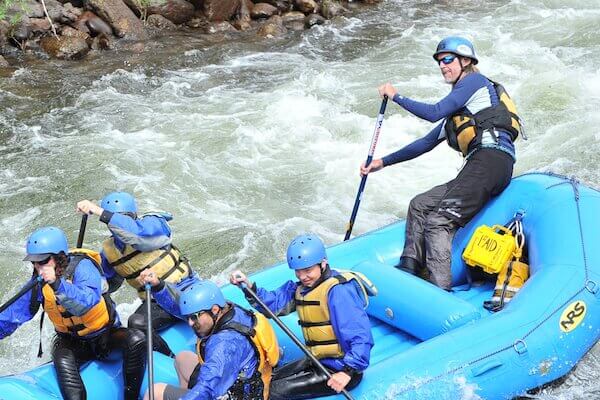
Image source: The Adventure Company
Key Takeaways for Aspiring River Professionals
- Complete a sanctioned training program lasting 7-14 days to master hydrology and swiftwater rescue.
- Embrace the "Relocation Specialist" role by preparing for heavy physical labor and gear management.
- Prioritize the Camp Shoe Protocol to prevent foot infections, the most common injury in the industry.
- Invest in professional sun gear , specifically sun hoodies and waxy sunscreen sticks for your hands.
- Utilize digital safety tools like the Georgia River Guide app for real-time water quality and flow data.
- Value humility over ego , focusing on guest safety and environmental unpredictability.
- Plan for seasonal income by developing off-season skills like ski patrolling or teaching.
Start your journey by researching local rafting companies and signing up for a spring guide school to see if the reality of the river matches your professional goals.
Frequently Asked Questions