Home
How to Book and Fly with Grant Aviation in Rural Alaska
Grant Aviation serves as a vital link for the Yukon-Kuskokwim Delta, Bristol Bay, and the Aleutian Chain. To book a flight, visit the official Grant Aviation website or call their central reservation line at 888-359-4726. Their primary operational hub is located in Bethel (PABE) , with significant presence in Anchorage, Dillingham, and Kenai.
For over five decades, Grant Aviation has provided essential transportation services across some of the most challenging terrain in North America. Founded in 1971, the airline has grown from a small regional carrier into a cornerstone of the Alaskan infrastructure. In a state where 82% of communities are inaccessible by road, aviation is not a luxury—it is a lifeline. Grant Aviation facilitates the movement of mail, groceries, medicine, and people between remote villages and regional hubs, ensuring that rural Alaska remains connected to the rest of the world.
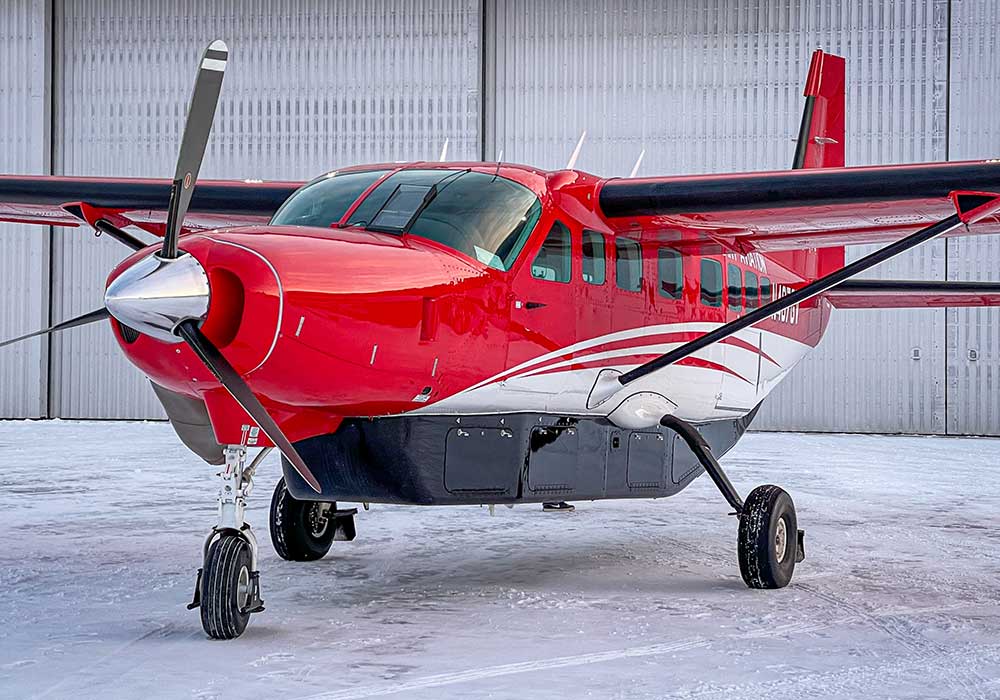
Image source: Grant Aviation
Where Does Grant Aviation Fly and What Are the Main Hubs?
Grant Aviation operates using a "Hub and Spoke" system, which is the standard logistical model for rural Alaskan travel. Because the distances are vast and the weather is unpredictable, flights are organized around central bases that offer more robust infrastructure, such as paved runways and larger hangars. From these hubs, smaller aircraft depart for village strips that may be nothing more than a short stretch of gravel or packed dirt.
The busiest and most critical hub in the network is Bethel . According to recent flight data, Bethel sees more than 19 scheduled departures per week to surrounding villages, making it one of the most active regional airports in the United States. Other major bases include Anchorage, Dillingham, Emmonak, Kenai, King Salmon, Cold Bay, and Unalaska/Dutch Harbor. Each hub serves a specific geographic region:
Serves the YK Delta, connecting dozens of villages like Akiachak, Kasigluk, and Quinhagak.
Connects the state's largest city to Kenai, Valdez, and the Aleutian Chain.
A key transit point for the commercial fishing industry and villages like Togiak.
Provides a critical link to the remote communities of the Aleutian Islands.
Understanding these hubs is essential for planning your trip. If you are traveling from the "Lower 48" (the contiguous U.S.), your journey will likely begin with a major carrier like Alaska Airlines into Anchorage, followed by a transition to Grant Aviation for the final leg into the bush.
Why the No-Codeshare Policy Matters for Your Travel Plans
One of the most important logistical details for travelers to understand is that Grant Aviation does not maintain codeshare or interline agreements with major carriers like Alaska Airlines or Delta. This is a significant regional difference compared to many smaller airlines in the Lower 48 that partner with national brands.
What does this mean for you? It means your travel is "unbundled." If you book a flight from Seattle to Bethel via Anchorage, your Alaska Airlines ticket and your Grant Aviation ticket are two entirely separate contracts. This creates a few specific requirements for your travel day:
- Baggage Re-Check: You cannot check your bags in Seattle and expect them to arrive in a remote village. You must collect your luggage at the main Anchorage terminal baggage claim.
- Terminal Transfer: In Anchorage, Grant Aviation operates out of the South Terminal, but their check-in counters are located in a specific regional wing. You must physically transport your bags from the main claim area to the Grant counter.
- Security Re-Entry: Because you are leaving the "sterile" area to collect bags, you may need to go through security again, depending on the specific gate your bush plane departs from.
Because of the manual baggage transfer and the potential for long lines at regional counters, we recommend a minimum layover of 3 hours in Anchorage when connecting to a Grant Aviation flight. This provides a buffer for any delays with your primary carrier and gives you ample time to navigate the terminal.
How to Book Your Flight and Manage Your Reservation
Booking a flight with Grant Aviation is straightforward, but it requires a different mindset than booking a standard commercial flight. The airline's online portal is the most efficient way to secure a seat, though many locals prefer to call the reservation desk directly, especially when coordinating complex village-to-village travel.
One of the most passenger-friendly features of Grant Aviation is that their tickets are fully transferable . This is a rare policy in the modern aviation industry and is designed to accommodate the fluid nature of life in rural Alaska. If a worker finishes a job early or a family emergency arises, the ticket can often be used by another individual without the exorbitant change fees typical of major airlines. However, always verify the current terms at the time of booking, as regional variations may apply.
Pricing for these flights is generally stable but reflects the high cost of operating in the Arctic. A typical round-trip between a hub like Dillingham and a nearby village like New Stuyahok might cost approximately $220. While this may seem high for a short distance, it covers the specialized maintenance, fuel logistics, and pilot expertise required for bush flying.
What Should You Expect When Flying on a Small Bush Plane?
For those accustomed to Boeing 737s or Airbus A320s, boarding a Grant Aviation plane is a notably different experience. Most of the fleet consists of aircraft that hold between 6 and 9 passengers. There are no jet bridges here; you will walk across the tarmac and climb a small set of stairs or a step-stool to enter the cabin.
The Weight Factor: Before boarding, the gate agent will ask for your weight and the weight of your carry-on items. This is not a matter of personal judgment; it is a critical safety requirement. In small aircraft, the "Weight and Balance" calculation is essential for a safe takeoff and landing. The pilot must know exactly how the weight is distributed to ensure the plane handles correctly in flight.
Cabin Environment: The cabins are compact. You will be sitting in close proximity to your fellow passengers and the pilot. Noise levels are higher than in a jet, so many frequent flyers recommend wearing earplugs or noise-canceling headphones. Additionally, these planes fly at lower altitudes, offering a spectacular, bird's-eye view of the Alaskan wilderness—keep your camera ready, but ensure it is secured during takeoff and landing.
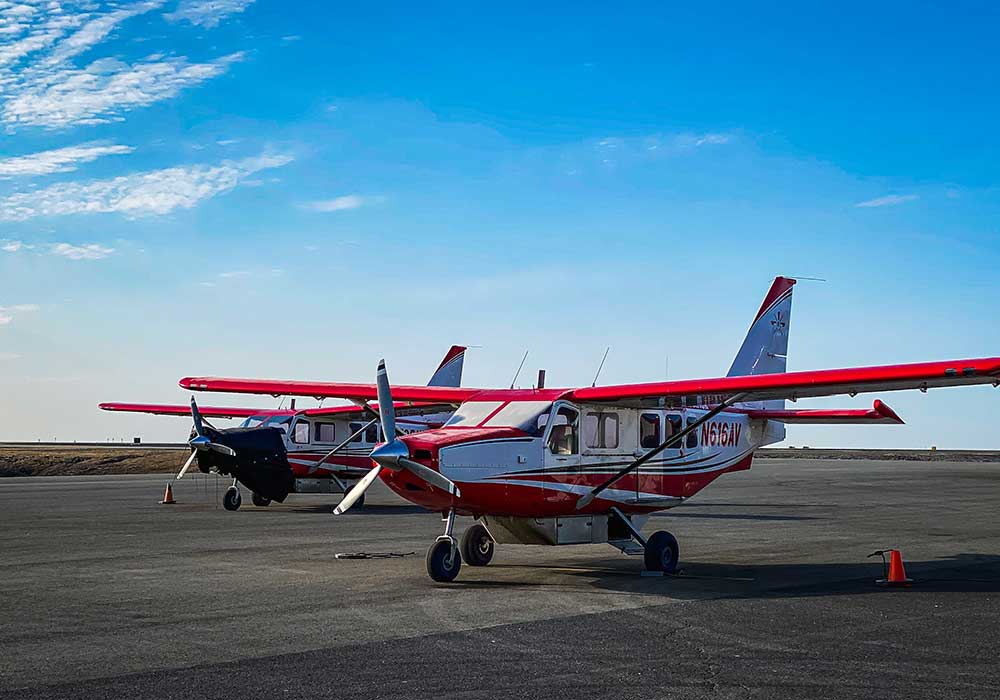
Image source: Grant Aviation
Understanding the Grant Aviation Baggage and Cargo Policy
Baggage rules in the bush are strictly enforced due to the aircraft size constraints. Most scheduled flights allow for a specific weight limit (often 50 or 70 pounds depending on the route), but anything beyond that is treated as "excess" or cargo. In Alaska, "cargo" isn't just industrial equipment—it's how people get their milk, fresh produce, and snowmachine parts.
If you are traveling with large amounts of gear, such as for a hunting or fishing expedition, it is often better to ship your items as cargo a few days in advance. This ensures that your gear arrives when you do, rather than being bumped to a later flight because the passenger cabin reached its weight limit. Also, be aware of Hazardous Materials (HazMat) rules. Items like camping stove fuel, bear spray, and certain lithium batteries have strict transport regulations and may not be allowed in the cabin.
How the Quyana Rewards Program Earns You Free Flights
Grant Aviation offers one of the most straightforward and rewarding loyalty programs in the industry: Quyana Rewards . "Quyana" is the Central Yup'ik word for "thank you," reflecting the airline's deep roots in the YK Delta communities. Unlike major airline programs that require tens of thousands of miles for a reward, Quyana Rewards is based on segments.
The program operates on a simple "5 for 1" or "10 for 1" logic:
- 5 Paid Segments: Earns you one free one-way ticket.
- 10 Paid Segments: Earns you one free round-trip ticket.
A "segment" is defined as one takeoff and one landing. For a teacher or health worker living in a village who travels to a hub once a month, these rewards accumulate very quickly. Perhaps the most significant benefit is that these rewards do not expire , provided the program remains active. This makes it a top-tier option for both residents and frequent contractors working in the region.
Is Grant Aviation Safe? A Look at Their Technology and Fleet
Safety in the Alaskan bush requires a combination of veteran pilot experience and modern technology. Grant Aviation has made significant investments in safety infrastructure, recently transitioning to Centrik 5 by TrustFlight. This system allows for real-time management of risk, quality, and operational efficiency, moving away from paper-based logs to a proactive digital safety management system.
The airline also participates voluntarily in the FAA’s Safety Management System (SMS) program, a high standard usually reserved for much larger commercial carriers. Their fleet is meticulously maintained to handle the rigors of gravel strips and extreme temperatures. Below is a comparison of the primary aircraft you might board:
| Aircraft Type | Seats | Primary Use | Key Feature |
|---|---|---|---|
| Cessna 208 Caravan | 9 | Regional Village Routes | High-wing for better views and stability |
| GippsAero GA8 Airvan | 6-7 | Short/Rugged Strips | Excellent payload-to-size ratio |
| Piper Navajo | 7-9 | Longer Hauls / Charters | Twin-engine reliability for over-water |
| King Air BE-200 | 9 | Fast Hub-to-Hub | Pressurized cabin for higher altitudes |
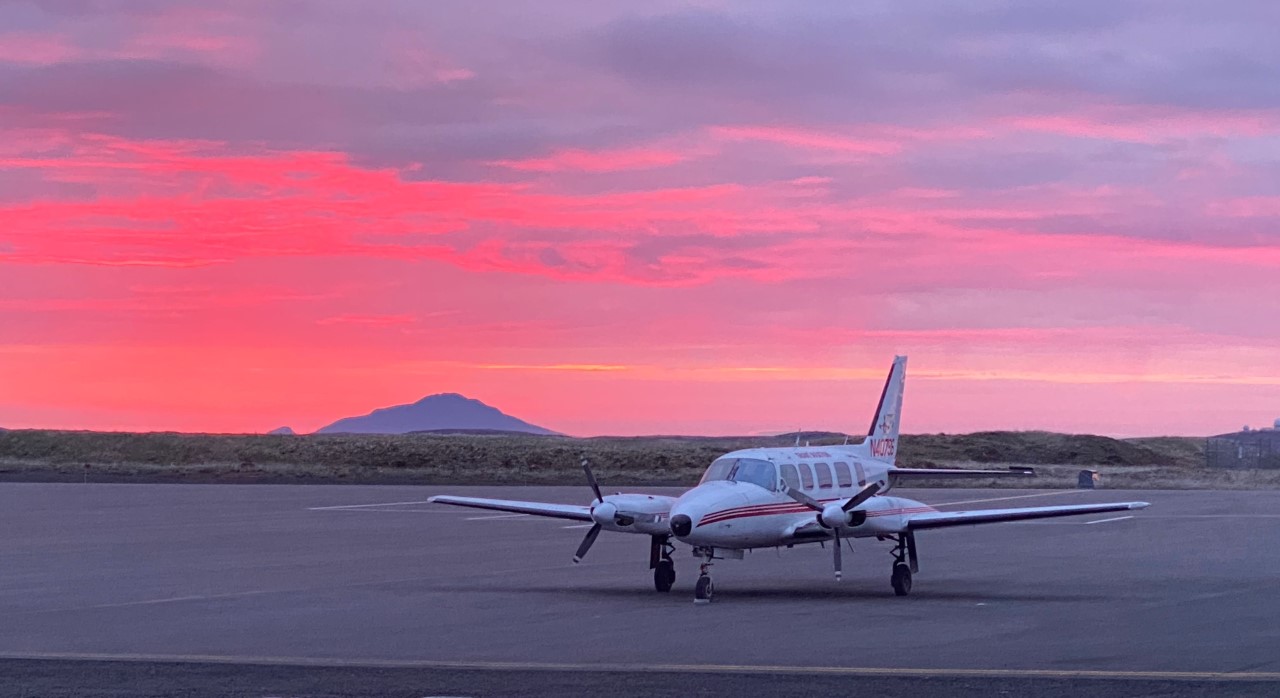
Image source: Grant Aviation
How Grant Aviation Supports Rural Alaskan Communities
The relationship between Grant Aviation and the communities it serves goes beyond commerce. The company's logo itself—the Emmonak Owl Mask —is a symbol of this bond. In 1994, the village of Emmonak gifted the mask design to the airline as a gesture of gratitude for life-saving medevac services provided during a critical time. Today, that mask is proudly displayed on the tail of every Grant aircraft.
The airline also leads several community initiatives that address the unique challenges of roadless areas:
- The "Flying Can" Initiative: In many villages, there is no way to transport recyclables out. Grant Aviation uses empty space on returning flights to haul aluminum cans and PET plastic bottles back to hubs for proper recycling, helping to keep the tundra clean.
- Animal Rescue: Grant frequently partners with shelters to transport rescued animals from villages to Anchorage, where they can find forever homes.
- School Support: From transporting sports teams to delivering school supplies, the airline acts as the "school bus" for the YK Delta.
This community-centric approach has helped Grant Aviation maintain its position as a trusted provider in a region where trust is earned through consistency and reliability.
Frequently Asked Questions
- How do I book a flight with Grant Aviation?
- The most efficient way to book is through their official website at flygrant.com. For personalized assistance or to coordinate complex village travel, you can call their reservation center at 888-359-4726. It is recommended to book at least two weeks in advance during peak summer and winter holiday seasons.
- What is the baggage weight limit on Grant Aviation?
- Standard weight allowances typically range from 50 to 70 pounds, depending on the specific route and aircraft. Because these are small planes, weight is strictly monitored. If you expect to have excess baggage, it is best to contact the airline in advance to discuss shipping it as cargo to ensure it arrives on your schedule.
- Does Grant Aviation fly out of the main Anchorage terminal?
- Yes, Grant Aviation operates from the South Terminal at Ted Stevens Anchorage International Airport. However, they do not share gates with major carriers like Alaska Airlines. You will need to check in at their specific regional counter, which is located near the baggage claim area in the South Terminal.
- What happens if my flight is cancelled due to weather?
- Weather cancellations are a reality of Alaskan travel. If a flight is grounded, Grant Aviation will typically place you on the next available flight once conditions improve. It is highly recommended to purchase travel insurance and build "buffer days" into your itinerary to account for these inevitable delays.
- Can I fly with my pet on Grant Aviation?
- Yes, pets are allowed, but they must be in an airline-approved kennel that fits within the constraints of a small aircraft cabin. Due to limited space, you must notify the airline at the time of booking to ensure there is room for your pet on the specific flight.
- Are Grant Aviation tickets refundable?
- While most tickets are non-refundable, they are notably flexible. Grant Aviation allows tickets to be fully transferable to another person, which is a significant benefit for travelers with changing plans. Always check the specific fare rules for your ticket type at the time of purchase.
Key Takeaways for Flying Grant Aviation
- Primary Connector: Grant Aviation is a top-tier choice for reaching the YK Delta, Bristol Bay, and the Aleutian Chain.
- Manual Transfers: Always plan for a manual baggage transfer when connecting from major airlines in Anchorage or Kenai.
- Quyana Rewards: Join the loyalty program immediately; the 5-segment threshold for a free flight is among the most attainable in the industry.
- Safety First: Respect weight limits and weather delays, as they are essential for safe operations in the bush.
- Community Impact: Supporting Grant Aviation helps sustain vital programs like the "Flying Can" recycling initiative.
- Fleet Variety: You will likely fly on a Cessna 208 or GA8 Airvan, both of which offer excellent views and reliability.
Before you head to the airport, double-check the weather at your destination village and ensure your bags are within the weight limits to ensure a smooth journey into the heart of Alaska.