Home
Which Flight Comparison Websites Actually Find the Cheapest Deals in 2026?
Widely considered one of the most efficient tools for broad date searches and multi-city routing.
Ranks among the top for finding regional carriers and smaller OTAs that others often miss.
A leading choice for "Hacker Fares" and budget-based exploration via its Explore map.
The landscape of flight search has undergone a significant transformation in recent years. While travelers once had to jump between dozens of tabs to find a reasonable fare, the current generation of comparison websites for flights has consolidated data more effectively than ever before. However, as of 2026, the challenge is no longer finding any flight—it is navigating the algorithmic shifts that have made traditional "travel hacks" less reliable.
In this analysis, we move beyond simple listicles to examine how modern aggregators function. We distinguish between Metasearch engines (like Kayak and Skyscanner), which scan the web for prices, and Online Travel Agencies (OTAs) (like Expedia), where you actually complete a booking. According to Frommer’s 2026 research , the most effective strategy now involves a hybrid approach: using aggregators for discovery and, in many cases, booking directly with the airline to ensure better customer protection.
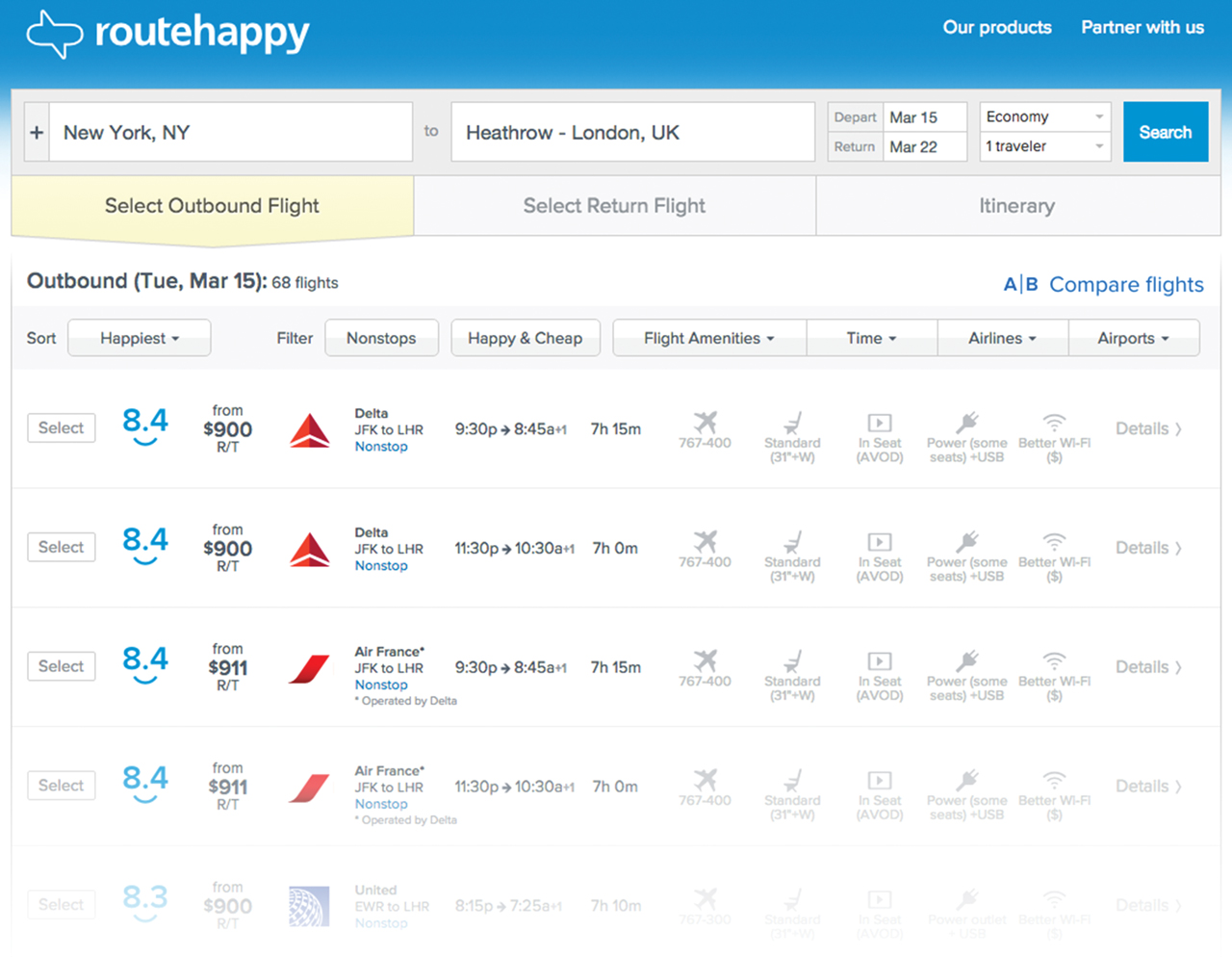
Image source: WSJ
Why You Should Stop Relying on Old Travel Hacks
Is Tuesday Still the Cheapest Day to Book Flights?
For decades, the "Tuesday at 3 PM" rule was treated as gospel. The theory was that airlines released their weekly sales on Monday nights, leading to a price war by Tuesday afternoon. In 2026, this is largely a myth. Modern airline pricing is driven by sophisticated AI that adjusts fares in real-time based on demand, browser history (though this is debated), and global events. According to Fasthotel's recent data analysis , waiting for a specific day of the week is often less effective than monitoring the "booking window" for your specific route.
Why Sunday Has Become a Strong Choice for 24% Savings
While Tuesday has lost its crown, Sunday has emerged as a notably strong day for booking. Recent studies suggest that travelers who book on a Sunday can save up to 24% compared to those who book on a Friday. This shift is attributed to the "leisure booking" surge; airlines often adjust their inventory over the weekend to capture the attention of vacation planners. While not a universal rule, it represents a significant advancement in how we understand booking patterns in the current market.
The 1 AM to 5 AM Booking Window Explained
If you are looking for a technical edge, the time of day may matter more than the day itself. Data indicates a "Green Zone" between 1 AM and 5 AM . During these early morning hours, traffic on booking sites is at its lowest, and some systems reset their "held" inventory from failed or expired transactions. Conversely, the "Red Zone" between 6 PM and 10 PM typically sees the highest prices due to peak search volume.
The Best Flight Comparison Websites for Every Type of Traveler
Why Google Flights Ranks Among the Top for Speed and Data
Google Flights is not technically an OTA; it is a powerful metasearch engine that pulls data directly from the Global Distribution Systems (GDS). Its primary strength lies in its Price Graph and Date Grid features, which allow you to see how shifting your trip by a single day could save hundreds of dollars. As noted by the Reddit TravelHacks community , Google Flights is often the starting point for any serious search because it handles multi-city routing with exceptional stability.
How Skyscanner Locates Regional Deals Other Engines May Overlook
Skyscanner has built a reputation for its "Everywhere" search feature. If you have a set budget but no specific destination, Skyscanner scans over 1,000 airlines to find the most affordable entry points into different regions. It is particularly strong in the European and Asian markets, where it frequently indexes smaller, low-cost carriers that US-centric sites might ignore. However, users should be cautious: Skyscanner often links to smaller OTAs. Always verify the reputation of the booking site before entering payment details.
Using Kayak for Advanced Tools Like Hacker Fares and Explore
Kayak remains a top-tier option for travelers who want granular control. Its "Hacker Fares" feature is a notable innovation that combines two one-way tickets from different airlines to create a cheaper round-trip. Additionally, its "Explore" tool allows you to set a maximum price and see a global map of all available destinations within that budget. This makes it an excellent choice for spontaneous travelers who prioritize cost over a specific location.
Why Momondo Is a Leading Choice for International Routes
Momondo, which is owned by the same parent company as Kayak, uses a different algorithm that often prioritizes international low-cost carriers. Its visual "Price Calendar" at the top of search results is widely considered one of the most intuitive ways to spot trends. For travelers heading to Europe or South America, Momondo frequently uncovers fares that are $20–$50 cheaper than its competitors by scanning a wider net of regional travel agencies.
| Site Name | Includes Southwest? | Price Prediction? | Split-Ticket Support? | Best For... |
|---|---|---|---|---|
| Google Flights | Yes (Most Routes) | Yes | Limited | Speed & Date Flexibility |
| Skyscanner | Yes | No | Yes | Regional & Budget Carriers |
| Kayak | Yes | Yes | Yes (Hacker Fares) | Advanced Filtering |
| Momondo | Yes | Yes | Yes | International Routes |
The Impact of the Southwest Airlines Shift on Modern Search
For over a decade, Southwest Airlines was the "white whale" of flight comparison. They famously blocked aggregators from indexing their fares, forcing travelers to visit Southwest.com directly. This created a massive blind spot in the travel industry. However, 2024 and 2025 saw a major industry shift. Today, 8 out of the top 10 major comparison sites now include Southwest fares in their results.
This change is highly impactful for domestic US travelers. You can now see Southwest's "Wanna Get Away" fares side-by-side with Delta or United. However, a word of caution: some aggregators still struggle to display the full inventory. If you are flying into a Southwest hub like Dallas (DAL) or Baltimore (BWI), it is still a wise practice to do a quick manual check on the airline's official site to ensure no "web-only" specials were missed.
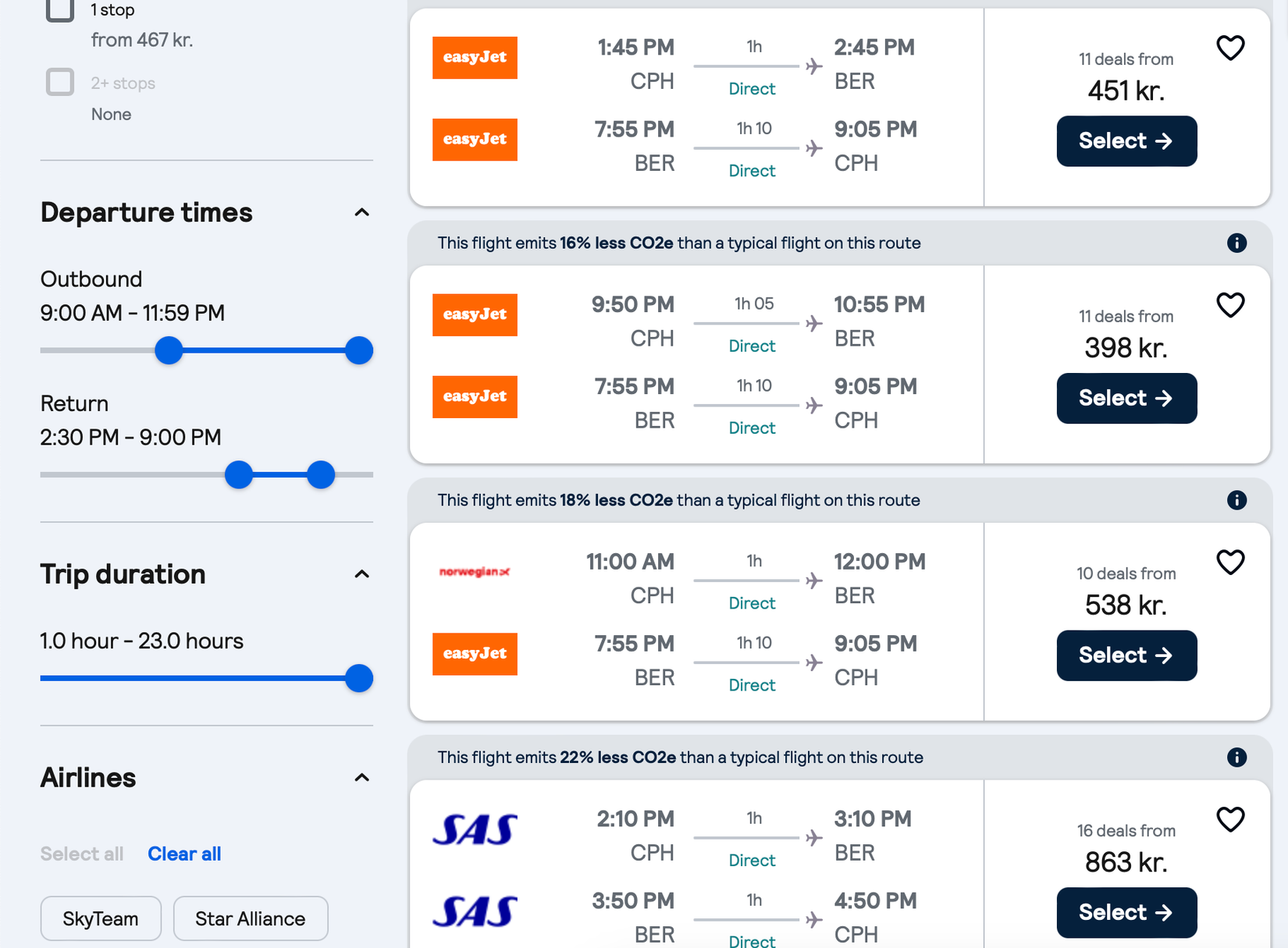
Image source: MakeUseOf
The Reality of AI Hallucinations in Travel Pricing
With the rise of Large Language Models (LLMs) like ChatGPT, Claude, and DeepSeek, many travelers are attempting to use AI to find flight deals. Current testing suggests this is a risky strategy. General-purpose AI models do not have real-time, direct access to the Global Distribution Systems used by airlines. Instead, they often rely on "browsing" tools that can misinterpret data.
"In our testing, AI quoted a Frontier Airlines fare at $121 when the actual market price was $262. These 'hallucinations' can lead to significant frustration when the user clicks through to find the deal doesn't exist." — Industry Analysis, 2026
While AI is excellent for planning an itinerary or suggesting destinations, it currently fails at real-time price accuracy. For booking, traditional aggregators like Kayak or Google Flights remain the more reliable choice because they utilize direct API feeds that update every few seconds.
Risks and Rewards of Booking Hacker Fares
One of the most effective ways to lower your ticket price is through "Hacker Fares" (also known as split-ticketing). This involves buying two separate one-way tickets—for example, flying out on JetBlue and returning on American Airlines—because the combined cost is lower than a standard round-trip on a single carrier.
The Danger of Split-Tickets: When you book a Hacker Fare, the two flights are not connected. If your outbound flight is delayed and you miss your return leg, the second airline is under no obligation to rebook you for free. You are essentially a "no-show" for a completely separate contract. Only use this method if you have a long layover or are traveling with carry-on luggage only, as checked bags often cannot be "interlined" between different carriers.
Optimal Booking Timelines for International and Domestic Travel
Timing your purchase is a critical component of finding the lowest fare. In 2026, international flight prices have increased by nearly 40% compared to pre-2020 levels, making the "sweet spot" even more important.
- International Flights: The optimal window is typically 43 to 56 days before departure. Booking more than six months out often results in paying a premium for "schedule certainty."
- Domestic Flights: Aim for the 50 to 60-day window. Prices tend to spike significantly within 21 days of departure as airlines target last-minute business travelers.
- Holiday Travel: For Thanksgiving or Christmas, the rules change. You should monitor prices starting 6 months out and book as soon as you see a price that fits your budget, as these seats rarely drop in price as the date approaches.
Final Thoughts: The Bottom Line on Finding Cheap Flights
Key Takeaways for Your Next Search
- Start with Google Flights to establish a baseline for prices and identify the most affordable dates using the grid view.
- Cross-check with Skyscanner to ensure you aren't missing regional low-cost carriers or smaller travel agencies.
- Verify the Southwest Shift: Ensure your chosen tool is actually indexing Southwest if you are flying within the US.
- Book on a Sunday between 1 AM and 5 AM to take advantage of lower traffic and inventory resets.
- Avoid AI for pricing: Use ChatGPT for your itinerary, but trust established aggregators for the actual fare data.
- Check the BBB: If an aggregator sends you to an unfamiliar OTA, do a quick reputation check before sharing your credit card info.
For the most secure experience, use these comparison sites to find the deal, then attempt to book directly on the airline's official website.
Frequently Asked Questions
Is it cheaper to book directly with the airline or through a comparison site?
Comparison sites are excellent for finding the lowest fare across the entire market. However, once you find the deal, booking directly with the airline is often the safer choice. If your flight is cancelled or delayed, the airline can assist you directly. If you book through a third-party OTA, the airline may tell you to contact the agency for rebooking, which can be difficult during travel disruptions.
Do flight comparison sites use cookies to raise prices?
This is a common travel myth. While it may feel like prices go up after you search, this is usually due to real-time inventory changes. As seats in a specific "fare bucket" sell out, the system automatically moves to the next, more expensive price tier. Most modern testing shows that searching in "Incognito Mode" has little to no impact on the fares displayed by major aggregators.
Which site is best for booking multi-city trips?
Google Flights is widely regarded as the top choice for multi-city itineraries. Its interface allows you to add up to five legs easily, and it provides a clear breakdown of how each leg affects the total price. Other sites often struggle with the complexity of multi-city searches, sometimes failing to find the most efficient connections.
What is a "Ghost Fare" and how do I avoid them?
A ghost fare occurs when an aggregator shows a low price that is no longer available in the airline's system. This happens due to caching delays. To avoid disappointment, always click through to the final checkout page to ensure the price remains the same before you get your hopes up. If the price jumps at the last second, it was likely a ghost fare.
Can I get a refund if the price drops after I book?
In 2026, many major airlines have eliminated change fees for standard economy tickets. If you book directly and the price drops, you can often "change" your flight to the exact same flight and receive the difference as a travel credit. This is much harder to do if you book through a comparison site's third-party OTA.