Home
How to Find and Hire Top-Rated Interior Design Services Near You
Finding the right interior design service depends on your budget, project scope, and desired level of involvement. As of 2026, the market is divided into three primary models: Retail Services (often free but brand-limited), Virtual Platforms (affordable, tech-driven, starting at $79), and Full-Service Local Firms (white-glove, comprehensive management starting around $500+ per room). For structural renovations, always hire a certified Interior Designer rather than a Decorator to ensure compliance with building codes.
Searching for "interior design near me" often yields a confusing mix of high-end boutique firms, retail furniture stores, and digital platforms. Navigating these options requires a clear understanding of what each service provides. Whether you are looking to refresh a single guest room or embark on a total home renovation, the modern design landscape offers a solution for every price point. This guide breaks down the selection process, costs, and expert strategies to help you transform your living space effectively.
Comparing the Three Primary Professional Design Models
The first step in your search is identifying which service model aligns with your goals. Not every project requires a local firm with a massive portfolio; conversely, a complex kitchen remodel cannot be handled by a retail consultant alone. According to industry data, users are increasingly moving toward hybrid models that combine digital convenience with local expertise.
| Service Model | Best For | Price Point | Key Deliverable |
|---|---|---|---|
| Retail (e.g., Crate & Barrel) | Single-room refreshes | Free / Low Cost | Brand-specific mood board |
| Virtual (e.g., Havenly) | Tech-savvy DIYers | $79 – $200 per room | 3D rendering & shopping list |
| Local Full-Service | Renovations & structural work | $500+ per room / Hourly | Project management & trade access |
Understanding these distinctions prevents the common mistake of hiring a professional whose scope doesn't match your needs. For instance, a virtual service is highly effective for visualizing furniture layouts but cannot assist with moving plumbing or electrical lines. A local firm, however, provides the "white glove" experience, managing contractors and ensuring that every custom detail is executed to a high standard.
Free Design Services from Retail Brands
Many major furniture retailers have expanded their offerings to include professional consultations. Stores like Crate & Barrel offer a "Design Desk" service where consultants help you visualize their products in your home. This is a top-tier choice for those who already admire a specific brand's aesthetic and want to ensure their new purchases fit the scale of their room. While these services are often free, the primary limitation is inventory; the consultant will almost exclusively recommend products from their own catalog.
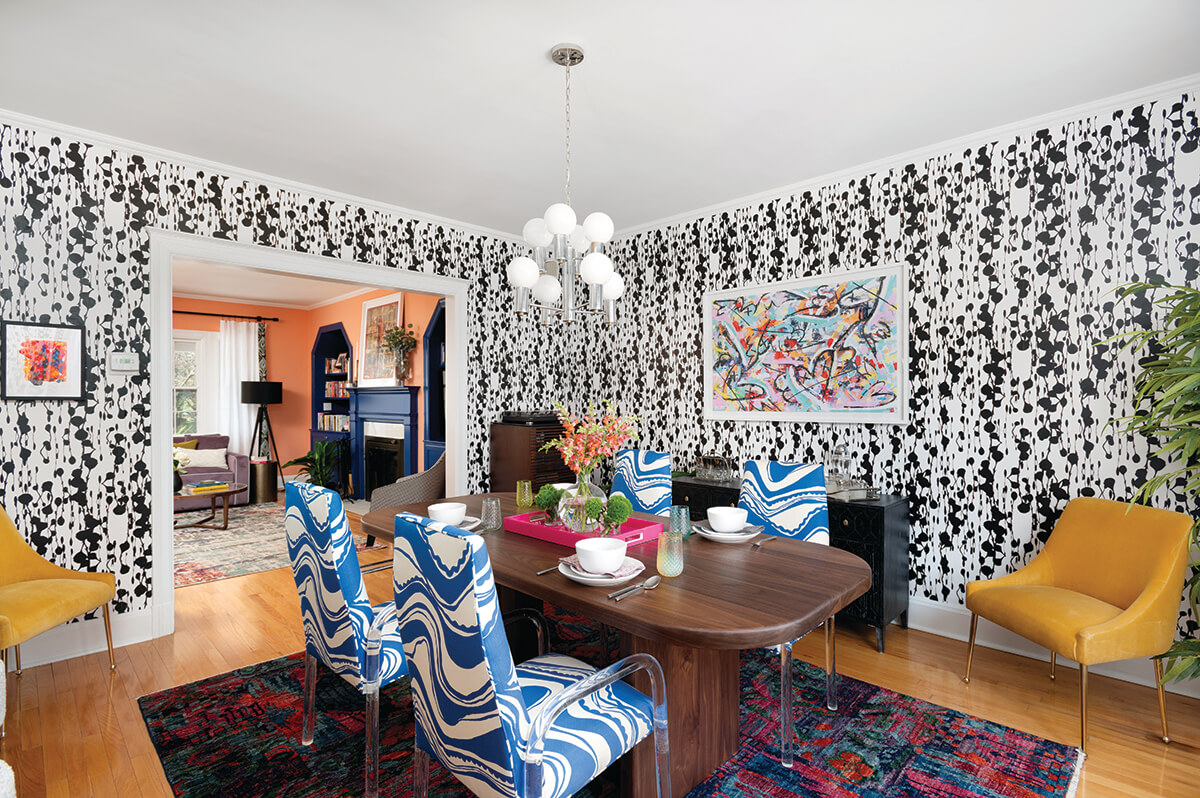
Image source: Baltimore Magazine
Affordable Virtual Design Platforms
Virtual interior design has seen a significant advancement in recent years. Platforms like Havenly have completed over 100,000 designs, offering a streamlined process where users upload photos and measurements of their space. For a flat fee—often ranging from $79 for a "mini" package to $199 for a full room design—you receive a 3D rendering and a curated shopping list from multiple brands. This model is widely considered one of the best options for those on a budget who are comfortable handling their own assembly and installation.
Full-Service Local Interior Design Firms
For those seeking a comprehensive transformation, local boutique firms remain the gold standard. These professionals offer more than just aesthetic advice; they provide access to exclusive trade networks, skilled contractors, and custom cabinetry. Firms like Serene Home Decor emphasize the importance of in-person consultations to understand the "bones" of a building. While in-person services typically start at a higher entry point (often $499+ per room or 10-20% of the total project cost), the value lies in their ability to handle technical complexities and structural changes.
Calculating the Real Cost of Interior Design Services
Budgeting for interior design involves more than just the professional's fee. It is essential to account for the "hidden" costs that often surprise homeowners during their first project. Professional fees generally fall into three categories: flat fees per room, hourly rates (ranging from $50 to $500 per hour), or a percentage of the total project spend.
When planning a renovation, always set aside a 20% contingency fund. This covers unexpected costs such as shipping delays, assembly fees, or structural surprises discovered once walls are opened. According to industry benchmarks, shipping and white-glove delivery alone can add 5-10% to your furniture budget.
Virtual services are the most transparent regarding pricing, often listing their fees clearly on their websites. However, full-service local designers may use a "cost-plus" model, where they pass on their trade discounts to you but charge a markup for procurement and management. It is vital to discuss these structures upfront to avoid friction later in the project. As of 2026, many top-tier designers are moving toward a hybrid flat-fee model to provide clients with greater financial predictability.
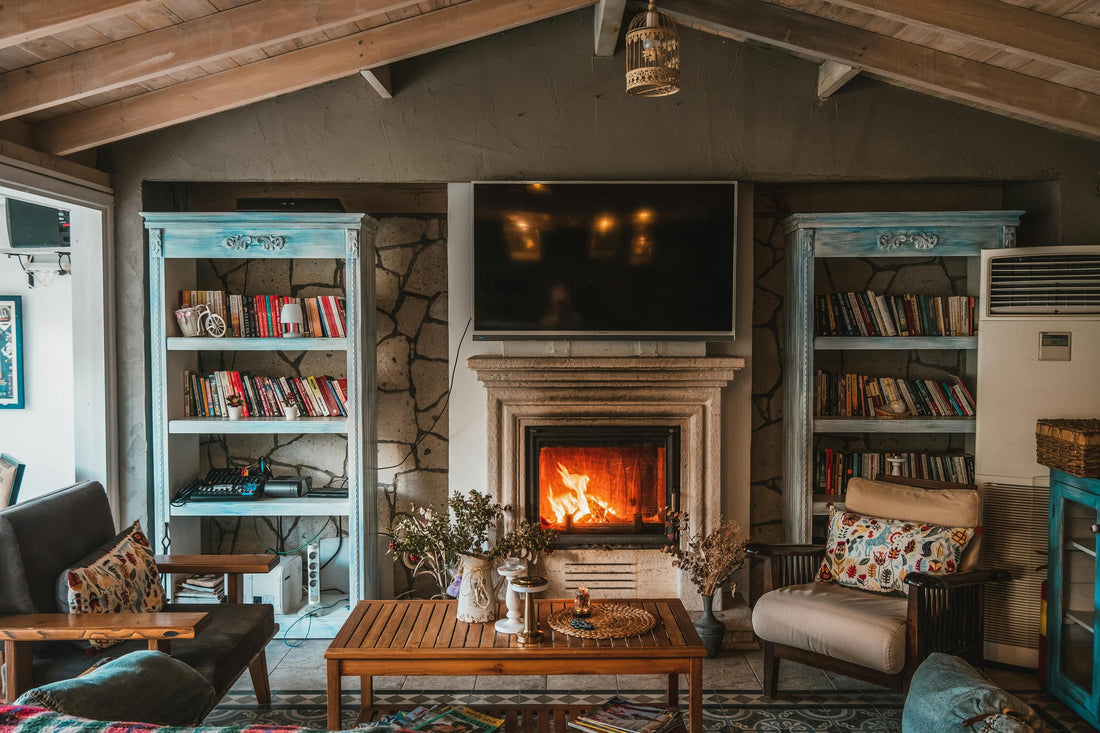
Image source: Arts of Architecture
Prioritizing Experience Mapping Over Initial Color Palettes
A common mistake in interior design is starting with a Pinterest board full of colors and textures before considering how the room will actually be used. Expert designers advocate for a strategy called Experience Mapping . This involves analyzing your daily routines and physical movements within a space before picking a single paint swatch.
Ask yourself these critical questions during the planning phase:
- How do you move? Map the natural pathways through the room. Ensure there is enough space to walk comfortably without bumping into furniture corners.
- How do you store? Identify the specific items that need a home—from children's toys to tech cables. Effective design integrates storage into the aesthetic.
- How do you host? If you frequently entertain, your layout should prioritize conversational seating and easy access to surfaces for drinks or food.
- How do you relax? Consider lighting and acoustics. A room meant for reading needs different lighting than a room meant for high-energy social gatherings.
By mapping the experience first, you ensure that the final design is not just beautiful, but functional. This "Experience-First" workflow prevents the frustration of living in a space that looks like a magazine spread but fails to support your lifestyle. Once the layout and lighting are finalized, the aesthetic choices become much easier to make.
Implementing the Rug-First Strategy to Ground Your Space
One of the most effective tactical sequences in interior design is the "Rug-First" strategy. While many people buy their sofa first, experts suggest that the rug should be the very first purchase for any room. The rug serves as the "anchor" or the "ground" for the entire space, setting the boundaries for the furniture and establishing the color palette.
Why start with the rug? It is significantly harder to find a rug that matches a specific sofa fabric than it is to find a sofa that complements a rug. Rugs come in a vast but finite array of patterns and colors; once you select one, you have a built-in guide for the rest of the room's textiles. Furthermore, the size of the rug dictates the scale of the furniture. A common design error is choosing a rug that is too small, which makes the room feel disjointed. A properly sized rug should allow at least the front legs of all major furniture pieces to rest upon it.

Image source: Yelp
Distinguishing Between Interior Designers and Decorators
The terms "designer" and "decorator" are often used interchangeably, but they represent different levels of training and scope. Understanding this distinction is crucial for technical vetting. If your project involves moving walls, changing windows, or updating electrical systems, you need a certified Interior Designer.
According to Ivy Tech's Interior Design Program , professional designers are trained in Building Information Modeling (BIM), CAD drafting, and residential construction codes. They develop technical construction documents that contractors use to build the space. In contrast, Interior Decorators focus primarily on the "finishing touches"—furniture selection, color schemes, window treatments, and accessories. While decorators are exceptionally strong at creating a specific "look," they typically do not handle structural changes or technical building documents.
- Hire a Designer if: You are renovating a kitchen, adding a bathroom, or changing the floor plan.
- Hire a Decorator if: The "bones" of your home are fine, but you need help with furniture, art, and styling.
Vetting Local Professionals Through Portfolios and Reviews
When searching for "interior design near me," platforms like Houzz and Yelp are invaluable tools. However, you must look beyond the star ratings. A top-tier professional will have a portfolio that demonstrates versatility rather than just one signature style. Look for designers who have at least 10 years of experience in your specific metro area, as they will have the best relationships with local tradespeople.
When reviewing a portfolio, pay attention to the "Before and After" photos. These reveal the designer's ability to solve problems, not just spend a large budget. Additionally, read the reviews specifically for mentions of project management and communication. A designer might be a creative genius, but if they cannot manage a timeline or a budget, the experience will be stressful. Look for keywords like "on time," "within budget," and "responsive."
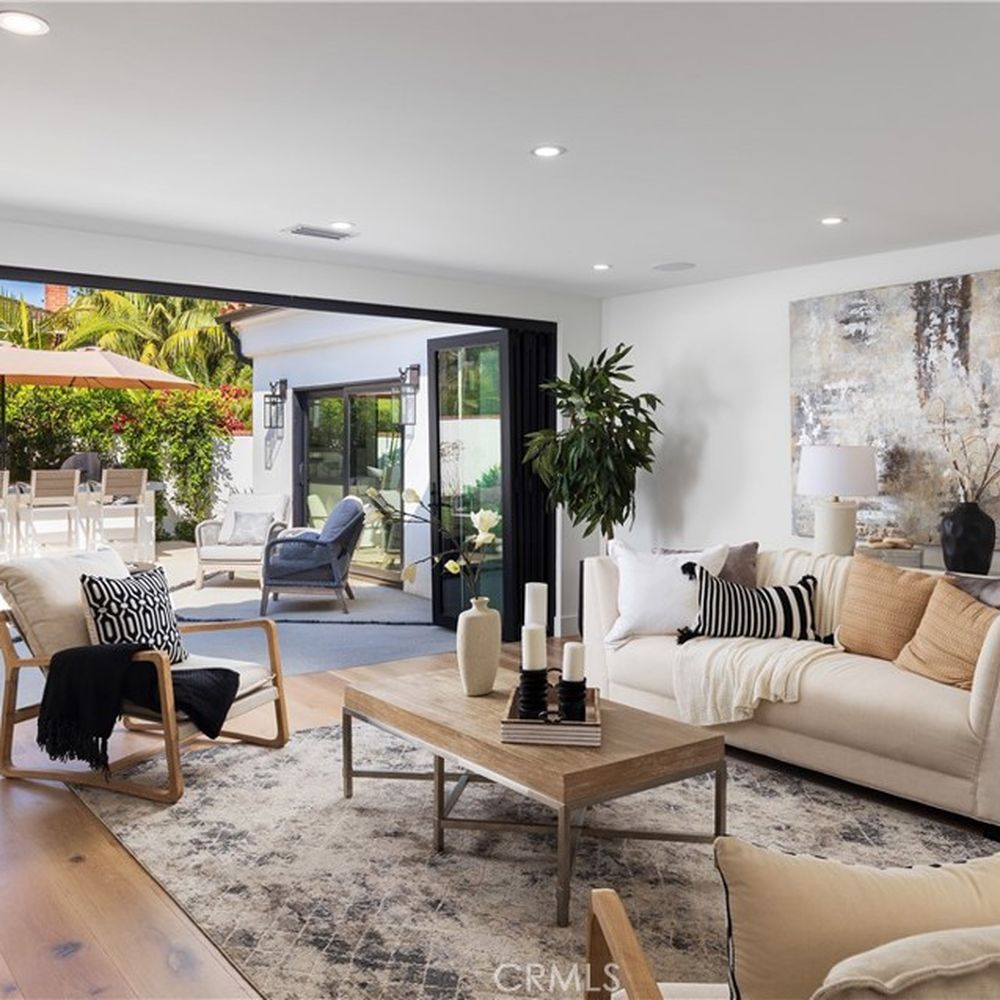
Image source: Yelp
Creating Functional Spaces for Households with Kids and Pets
Designing for real life requires a departure from "precious" trends. If you have children or pets, your design strategy must prioritize durability and flow. Experts suggest avoiding white or extremely light-colored furniture unless it is upholstered in high-performance fabrics like Crypton or Sunbrella, which are notably innovative in their resistance to stains and wear.
Another "anti-trend" tip is to prioritize floor space over excessive furniture. "Space is a luxury," and cramming a room with stylish pieces can hinder the way a family actually lives. Prioritize "flow" so that there is room to play on the floor or move through the house without obstacles. Use floor baskets for instant clutter clearing—a simple but highly effective way to make a space look "designed" even when it is lived-in. Finally, consider the height of your window treatments; hanging curtains at the ceiling rather than the window frame can make a room feel taller and more expansive, a visual hack that works in almost any setting.
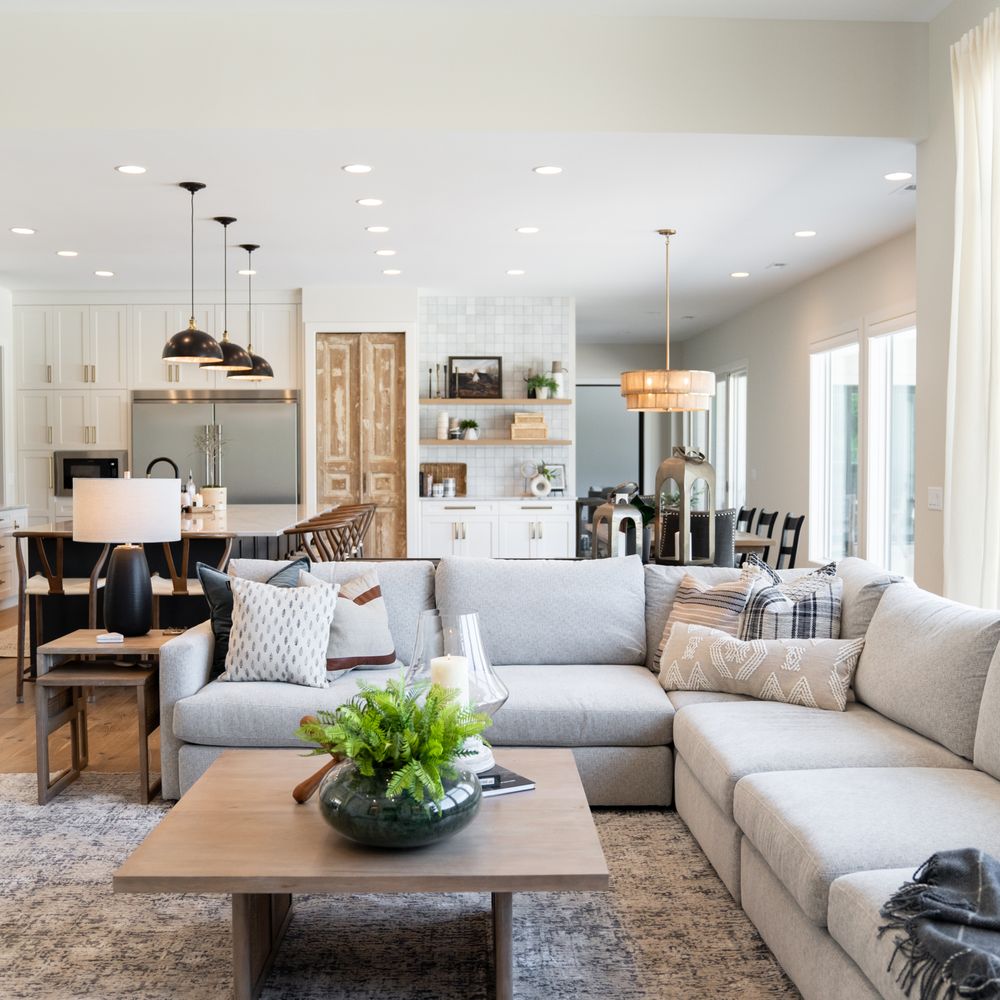
Image source: Yelp
Frequently Asked Questions
What is the 3-5-7 rule in interior design?
Is hiring an interior designer worth it for a small apartment?
Do I need to buy everything the designer suggests?
How long does a typical interior design project take?
Can a designer help me work with my existing furniture?
The Bottom Line
Finding the right interior design partner requires balancing your aesthetic goals with practical constraints. By following a structured selection process, you can ensure a successful transformation of your home.
- Define your project scope early to decide between a local designer (structural) or a decorator (aesthetic).
- Choose the right model based on your budget, whether it's a free retail consultation, a $79 virtual plan, or a full-service firm.
- Map your experience before picking colors to ensure the layout supports your daily life and routines.
- Start with the rug to ground the room and establish a cohesive color and scale palette.
- Verify technical credentials like CAD and BIM proficiency if your project involves any structural changes.
- Vet through portfolios , looking for versatility and positive reviews regarding budget management.
Take the first step by measuring your room and identifying your "experience goals" before reaching out for your first professional consultation.