Home
How to Make Authentic Pugliese Panzerotti That Won’t Burst in the Fryer
In the sun-drenched region of Puglia, located in the "heel" of Italy's boot, street food is more than just a quick bite; it is a cultural cornerstone. Among the most celebrated of these delicacies is the panzerotto . Often confused with its larger, baked cousin, the calzone, the panzerotto is a distinct culinary achievement defined by its light, airy dough and a molten center that requires a specific technique to enjoy safely. Rooted in the tradition of cucina povera (peasant cooking), these savory pockets were originally a clever way to utilize leftover bread dough, transforming humble scraps into a feast.
The name itself provides a clue to its character. Derived from the word panza , a regional variation of the Italian pancia (belly), it refers to the characteristic swelling of the dough as it hits the hot oil. This "belly" becomes a pressurized chamber of steam and melting cheese, creating a texture that ranks among the top street food experiences in the world. However, for the home cook, the panzerotto presents a unique challenge: preventing the dough from bursting and leaking its contents into the fryer. Mastering this dish requires a blend of dough science, moisture control, and a few insider hacks passed down through generations of Pugliese grandmothers.
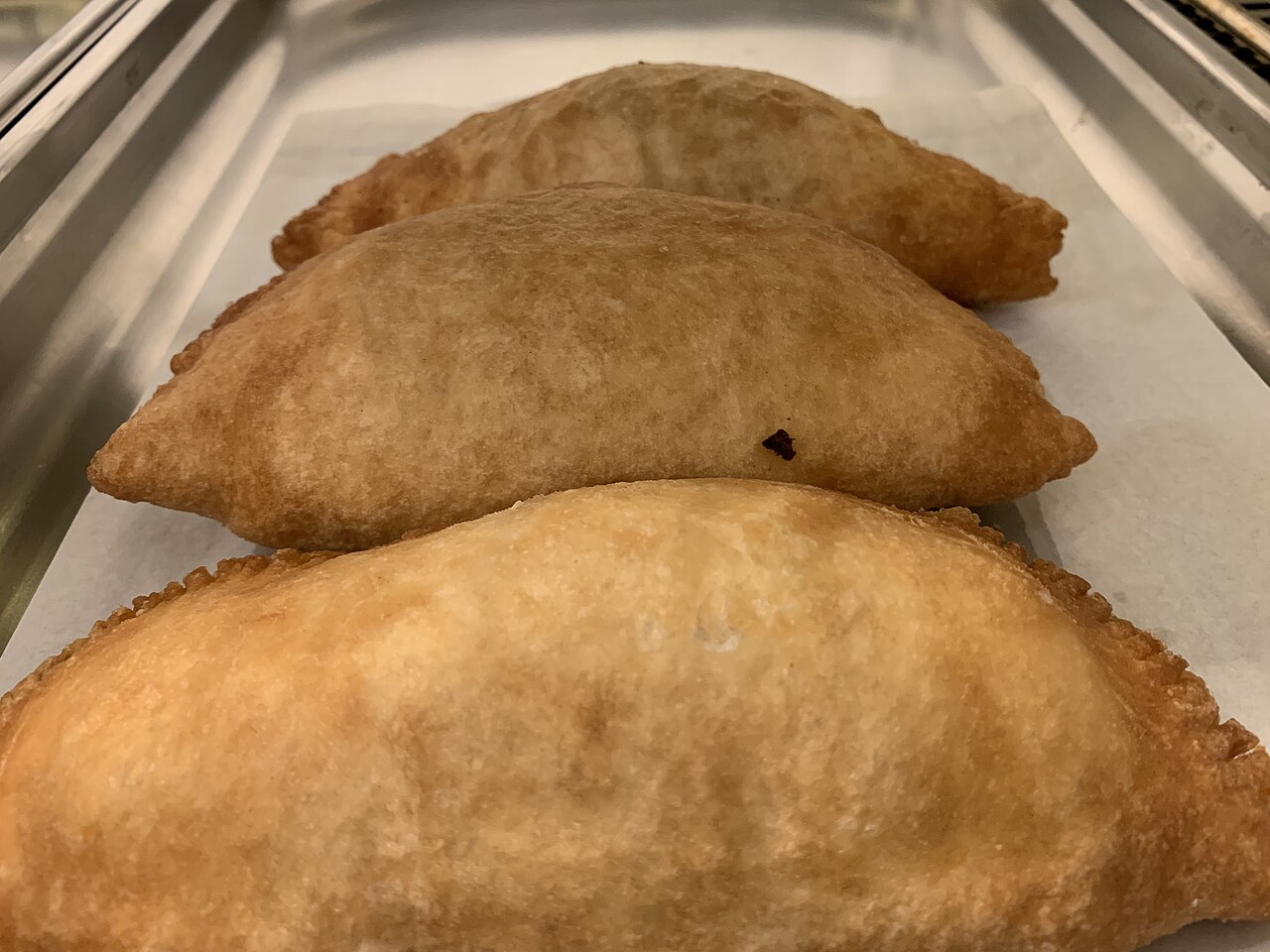
Image source: Wikipedia
Distinguishing Panzerotti from Calzones and Pizza Fritta
One of the most frequent points of confusion for those new to Southern Italian cuisine is the difference between a panzerotto and a calzone. While both involve folding dough over a filling to create a half-moon shape, the similarities largely end there. According to Wikipedia's entry on panzerotti , the primary distinction lies in the cooking method and size. A calzone is typically large—often the size of a full dinner plate—and is almost exclusively baked in an oven. The panzerotto, by contrast, is smaller (usually 4 to 6 inches) and is traditionally deep-fried.
Furthermore, we must distinguish the panzerotto from the Neapolitan pizza fritta . While both are fried, the pizza fritta often uses a standard pizza dough and can be significantly larger, sometimes filled with ricotta and cicoli (fatty pork cracklings). The panzerotto is a top-tier option for those seeking a lighter, crispier bite, as the dough is often rolled thinner to ensure a rapid cook time that prevents the oil from soaking into the interior.
| Feature | Panzerotti | Calzone | Pizza Fritta |
|---|---|---|---|
| Cooking Method | Deep-fried | Baked | Deep-fried |
| Region of Origin | Puglia | Naples | Naples |
| Typical Size | Small (4-6 inches) | Large (Plate-sized) | Medium to Large |
| Dough Texture | Thin, crispy, airy | Bread-like, chewy | Soft, puffy |
Understanding these differences is crucial for setting expectations. A panzerotto is designed to be eaten by hand, often while standing on a street corner or in a crowded kitchen. Its smaller stature allows for a higher surface-area-to-filling ratio, ensuring that every bite contains that sought-after crunch of fried dough.
Mastering the Science of Leak-Proof Dough
The foundation of a successful panzerotto is a dough that is both elastic enough to stretch over fillings and strong enough to withstand the internal pressure of steam. To achieve this, the choice of flour is non-negotiable. Using "00" flour, which is finely milled and has a specific protein content, is widely considered one of the best ways to ensure a silky, workable dough that doesn't tear easily. As noted by Sip and Feast , the ideal dough ball weight for a home fryer is between 70 and 85 grams (roughly 2.5 to 3 ounces).
The Power of Cold Fermentation
While many recipes suggest a quick one-hour rise, those seeking a professional-grade result should opt for cold fermentation. By allowing the dough to rise in the refrigerator for 24 to 48 hours, you allow enzymes to break down complex starches into simple sugars. This not only improves the flavor profile, giving it a complex, yeasty depth, but also results in a dough that browns more evenly and develops those iconic tiny bubbles on the surface during frying.
The Traditional Lard Secret
In modern kitchens, vegetable oil is the standard fat used in dough. However, La Cucina Italiana points out that the traditional Pugliese method often utilized lard ( strutto ). Lard provides a unique shortening effect, interfering with gluten strands just enough to make the dough exceptionally tender while maintaining its structural integrity. If you are looking for an authentic experience, substituting a portion of the olive oil with high-quality lard can be a significant advancement in your dough's texture.
- Use "00" flour for maximum elasticity and a smooth finish.
- Aim for a hydration level of approximately 60-65% to keep the dough manageable.
- Incorporate a small amount of fat (oil or lard) to increase the dough's stretchiness.
- Allow for a long, cold ferment to develop flavor and improve frying characteristics.
- Keep dough balls small (70-85g) to ensure they cook through before the exterior burns.
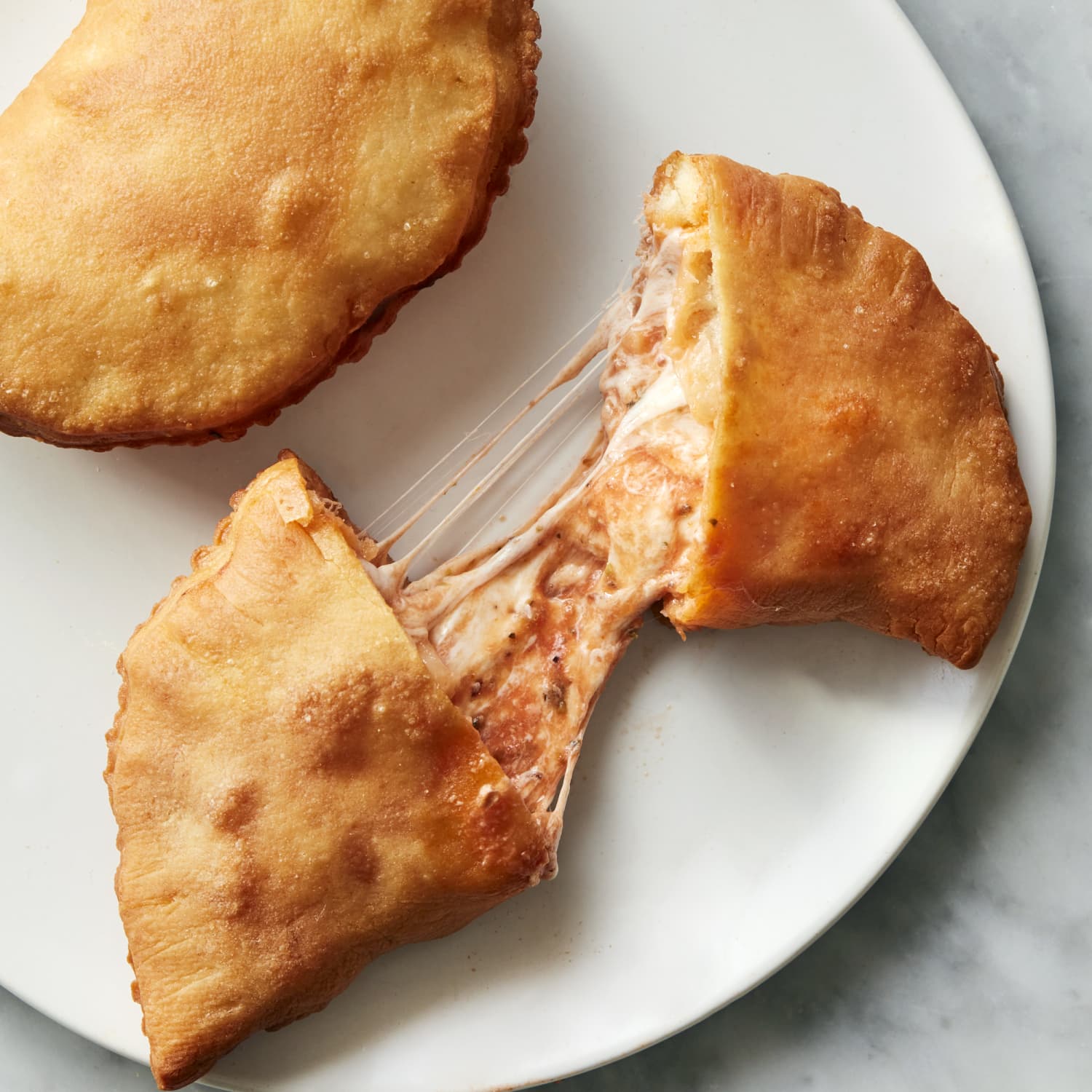
Image source: The Kitchn
Preparing Fillings to Avoid the Soggy Burst
The number one cause of panzerotto failure is moisture. When the internal temperature of the panzerotto rises in the fryer, any excess water in the filling turns to steam. If there is too much steam, the pressure will find the weakest point in your seal and cause a "volcanic" rupture, which not only ruins the pastry but can be dangerous as hot oil splatters. To prevent this, you must treat your ingredients with care.
The Tomato Drain and Mozzarella Pat-Down
If using canned peeled tomatoes, do not simply crush them and add them to the dough. You must drain them in a fine-mesh sieve for at least 30 minutes, then gently pat them dry with paper towels. The goal is to leave only the flavorful pulp behind. Similarly, fresh mozzarella is notorious for its high water content. Dicing the cheese and letting it sit on layers of paper towels is a top-rated technique to ensure your filling remains stable. Some chefs even recommend using "low-moisture" mozzarella or a firm provolone to further mitigate this risk.
Binding with Grana Padano
Expert culinary figures like Lidia Bastianich suggest a clever moisture-management trick: adding a dry, grated cheese like Grana Padano or Pecorino Romano to the filling. These cheeses act as a natural binder, absorbing residual moisture from the tomatoes and mozzarella while adding a savory punch. This creates a cohesive "mass" that stays put during the folding and frying process.
The Step-by-Step Process for Assembly and Frying
Once your dough is rested and your fillings are dried, the assembly phase begins. This is where many home cooks struggle, as the filled dough becomes delicate and difficult to move. This is where we introduce the Spackle Knife Hack . Professional bakers often use a clean, thin metal bench scraper or even a dedicated hardware spackle knife to slide under the filled dough. This prevents the stretching and tearing that occurs when you try to lift the dough with your fingers.
The Double Seal Technique
To ensure your panzerotti are leak-proof, a single press of the fingers is rarely enough. Start by folding the dough over the filling and pressing firmly with your thumb to remove as much air as possible. Then, use the tines of a fork to crimp the edges. For an extra layer of security, some Pugliese families use a "braided" seal ( chiusura a cordoncino ), where the edge is folded back over itself in a rope-like pattern. This creates a thick, reinforced border that is exceptionally strong.
Frying at the Magic Temperature
The oil temperature is the final hurdle. If the oil is too cool, the dough will absorb it and become greasy; if it is too hot, the outside will burn before the cheese has a chance to melt. The consensus among experts is that 170°C (340°F) is the most effective temperature for frying panzerotti. Use a high-smoke-point oil like peanut or sunflower oil. Fry only two or three at a time to avoid dropping the oil temperature too significantly. They should take about 2-3 minutes per side, reaching a deep, golden hue.
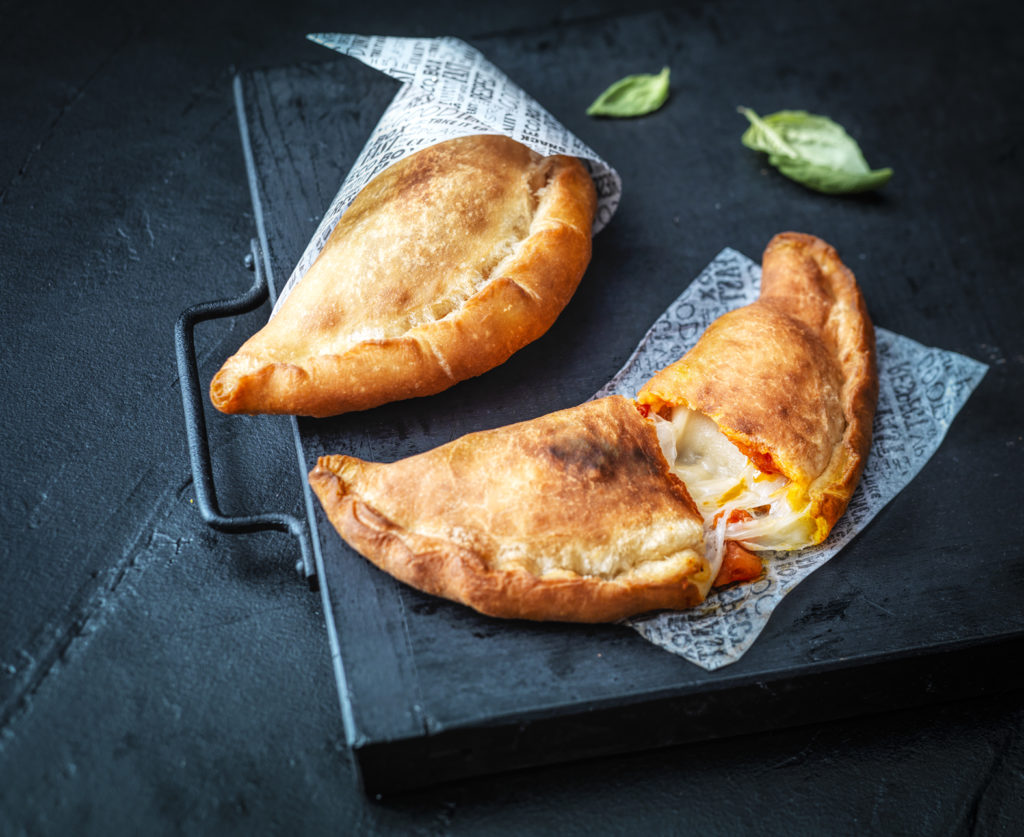
Image source: Maestrella
Cultural Traditions and the Proper Drinking Technique
In Puglia, making panzerotti is rarely a solo endeavor. It is a social event, often referred to as a "domestic assembly line." Because panzerotti must be eaten fresh and hot, one person usually rolls the dough, another fills and seals, and a third manages the fryer. This ensures a constant stream of hot pastries for the gathered family and friends. This tradition is particularly prominent during the Vigilie (religious fasting days), such as Christmas Eve, where meatless panzerotti serve as a celebratory yet compliant meal.
The "Lean and Blow" Method
Eating a panzerotto is an art form in itself. Because the interior is a pocket of molten cheese and steam, biting directly into it while standing upright is a recipe for a burnt chin. The traditional "drinking" technique involves three steps:
- The First Bite: Take a small nibble off one of the corners to create a vent.
- The Blow: Gently blow into the hole to circulate air and cool the internal steam.
- The Lean: Lean your upper body forward at a 45-degree angle. This ensures that any escaping oil or molten cheese falls onto the ground (or your plate) rather than down your shirt. As you reach the halfway point, you can "drink" the liquid filling from the side of the pouch.
"A panzerotto is not just a meal; it's a performance. If you don't have a little tomato sauce on your chin and a smile on your face, you aren't doing it right." — Traditional Pugliese Saying.
Understanding Regional Variations Across Italy
While the tomato and mozzarella version is the standard, Italy's regional diversity means that the word "panzerotto" can mean different things depending on where you are standing. It is important to navigate these naming conventions to avoid confusion when traveling or ordering from authentic Italian delis.
- Naples (Pizza Fritta)
- Often larger and filled with ricotta, black pepper, and salami. The dough is typically a standard Neapolitan pizza hydration.
- Molfetta (Frittelle)
- In this specific Pugliese town, the fried dough pockets are often called frittelle and may feature local ingredients like salted anchovies.
- Salento (Panzerotti di Patate)
- Warning: In the Salento region (the very tip of the heel), a "panzerotto" is actually a potato croquette made with mashed potatoes, cheese, and mint. It contains no dough at all.
- Brindisi (Fritte)
- A local variation that emphasizes a very thin, almost translucent dough that becomes incredibly brittle and crunchy when fried.
These variations highlight the importance of the dish's roots. While the Salento version is delicious, it is a completely different culinary category. If you are seeking the dough-based pocket, always specify panzerotti pugliesi .
Exploring Creative and Traditional Filling Options
While the classic tomato and mozzarella combination ranks among the top choices for a reason, the panzerotto is a versatile vessel for a wide range of flavors. In Puglia, you will often find fillings that reflect the local agriculture and sea.
Traditional Savory Combos
One highly celebrated variation involves sautéed onions, salted anchovies, and capers. The saltiness of the fish cuts through the richness of the fried dough beautifully. Another popular choice is mortadella paired with provolone and a dusting of crushed pistachios, offering a creamy and nutty profile that stands out as a top-tier gourmet option.
Sweet and "Fridge-Clearer" Variations
During Carnival season, sweet panzerotti make an appearance. These are often filled with sweetened sheep's milk ricotta, chocolate chips, or even chestnut cream, then dusted with powdered sugar after frying. Furthermore, the panzerotto remains a premier "fridge-clearer." Leftover roasted vegetables, sautéed mushrooms, or even a bit of thick beef ragu can be repurposed into a filling, provided they are not too watery.
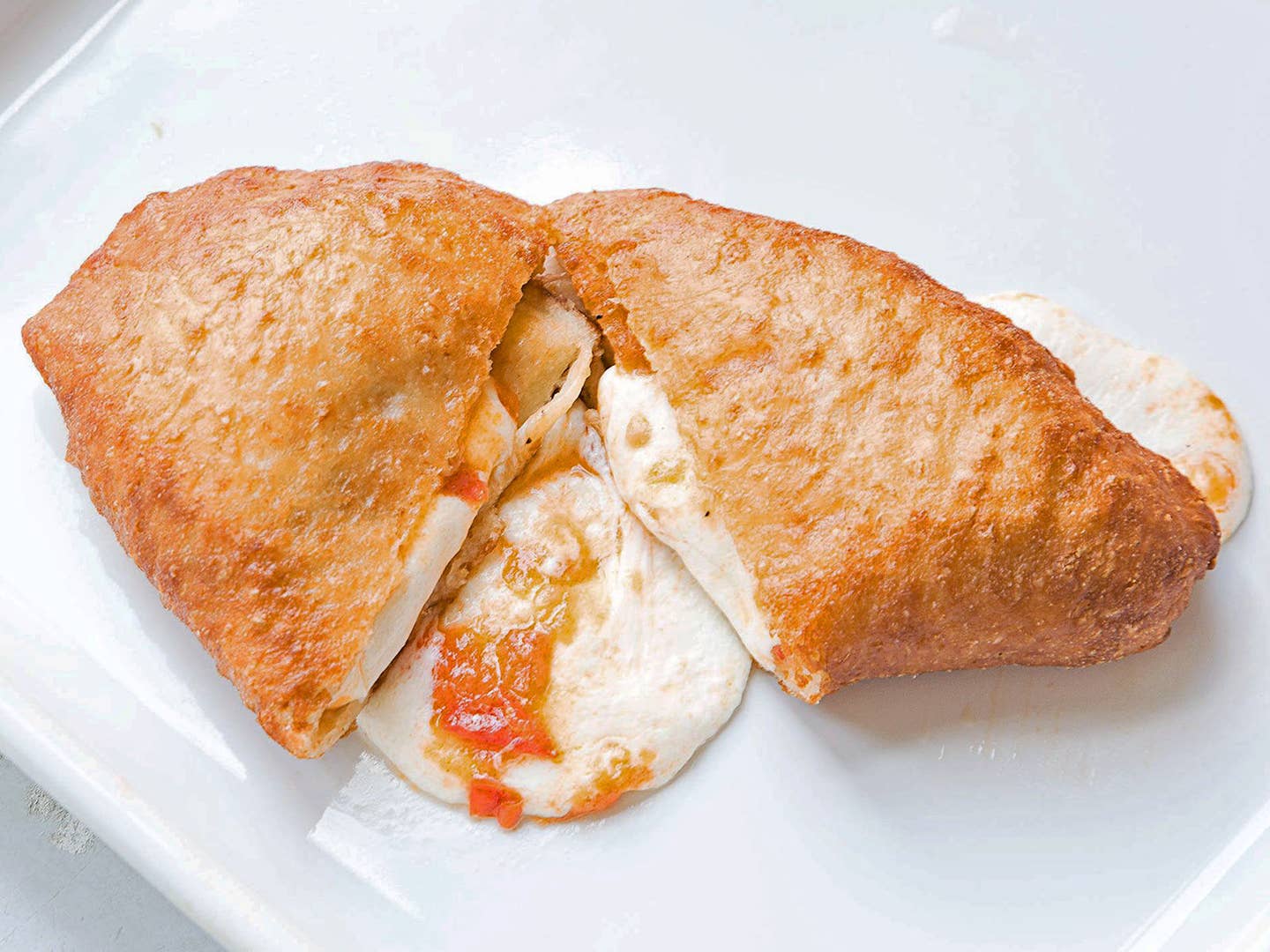
Image source: Saveur
Storing and Reheating for Lasting Crispness
Panzerotti are undoubtedly at their peak within minutes of leaving the fryer. However, if you find yourself with leftovers, the microwave is your enemy. Microwaving fried dough traps moisture, resulting in a rubbery, soggy texture that loses all the charm of the original dish.
The most successful way to reheat panzerotti is in an air fryer . Set the temperature to 175°C (350°F) and heat for 3-5 minutes. The circulating hot air will re-crisp the exterior while gently melting the cheese inside. If you don't have an air fryer, a standard oven at the same temperature for 8-10 minutes will suffice, though it may not achieve the same level of crunch. For long-term storage, you can freeze panzerotti after they have been fried and cooled. Reheat them directly from frozen in the oven, adding a few extra minutes to the time.
Key Takeaways for Perfect Panzerotti
- Flour Matters: Use "00" flour and a 24-hour cold ferment for a dough that is both strong and flavorful.
- Dry Your Fillings: Moisture is the enemy. Drain your tomatoes and pat your mozzarella dry to prevent bursts.
- Size Consistency: Keep dough balls between 70-85g for even cooking and easy handling.
- The Spackle Hack: Use a flat tool to lift filled dough to avoid stretching and tearing the bottom.
- Temperature Control: Fry at exactly 170°C (340°F) to achieve a golden, non-greasy finish.
- Eat with Caution: Use the "lean forward" technique to avoid burns from the molten interior.
Start by mastering the basic tomato and mozzarella version before experimenting with more complex regional fillings.
Frequently Asked Questions
Can I bake panzerotti instead of frying them?
While you can bake them at a high temperature (around 425°F/220°C), they technically become small calzones once baked. The unique texture of a panzerotto comes from the rapid expansion of the dough in hot oil, which creates a thin, crispy shell that baking cannot fully replicate. If you choose to bake, brush the tops with olive oil to encourage browning.
Is panzerotti dough the same as standard pizza dough?
They are very similar, but panzerotti dough often contains a slightly higher percentage of fat (olive oil or lard) to make it more extensible. This extra elasticity is crucial because the dough needs to stretch around the filling without snapping back or tearing, a common issue with high-gluten bread doughs.
What is the most suitable oil for frying panzerotti?
Peanut oil is widely regarded as one of the best options due to its high smoke point and neutral flavor. High-quality sunflower oil or grapeseed oil are also strong contenders. Avoid using extra virgin olive oil for deep frying, as its low smoke point can lead to a bitter taste and the production of harmful compounds at high heat.
How do I keep the cheese from leaking out during frying?
The secret is a combination of moisture control and a proper seal. Ensure your cheese is very dry, and use the "double seal" method: press with your fingers to remove air, then crimp tightly with a fork. If air is trapped inside, it will expand and force the seal open, so always press the air out before the final closure.
Why did my panzerotti turn out greasy?
Greasy panzerotti are usually the result of the oil temperature being too low. If the oil is below 160°C (320°F), the dough will absorb the oil rather than searing instantly. Always use a kitchen thermometer to monitor the temperature, and avoid overcrowding the pot, which causes the temperature to plummet.
Final Thoughts on Mastering the Panzerotto
Mastering the panzerotto is a journey into the heart of Southern Italian soul food. While the process requires patience—particularly in the drying of ingredients and the slow fermentation of the dough—the reward is a culinary experience that few other dishes can match. By focusing on the science of the seal and the precision of the fry, you can bring the authentic taste of a Pugliese summer evening into your own kitchen. Remember to gather a team, keep your spackle knife ready, and always lean forward for that first, molten bite.