Home
How to Shape a Batard Loaf for Better Crust and Easier Slicing
A batard is an oval-shaped bread loaf that offers a superior crust-to-crumb ratio compared to a round boule. To shape one, you typically perform a "letter fold" followed by either a rolling method (for elastic dough) or a stitching method (for high-hydration dough). This shape is widely considered a top choice for artisan sourdough because it facilitates uniform sandwich slices and provides a high-standard canvas for a professional "ear" through longitudinal scoring.
What Is a Batard and Why Is It Called a Bastard?
In the world of artisan baking, the batard stands out as a premier choice for those who value both aesthetics and utility. Defined as an oval or oblong loaf, it is frequently described as having a "football" shape. While the round boule and the long baguette are perhaps more historically famous, the batard has become a staple in modern bakeries due to its versatility.
The etymology of the word is quite literal. Originating from the French word bâtard , meaning "bastard," the name refers to its status as a hybrid. It is neither a long, thin baguette nor a stout, round boule. Instead, it occupies the middle ground, borrowing the length of the baguette and the girth of the boule. According to historical culinary records, this shape emerged as a way to provide a loaf that was easier to transport than a boule but offered more substantial crumb than a baguette.
For the home baker, the "why" behind choosing a batard often comes down to the crust-to-crumb ratio . Because the loaf is elongated, it has more surface area for crust development than a sphere of the same weight. Furthermore, the uniform width of the loaf ensures that almost every slice is the same size, making it a leading option for sandwiches, toast, and consistent plating.
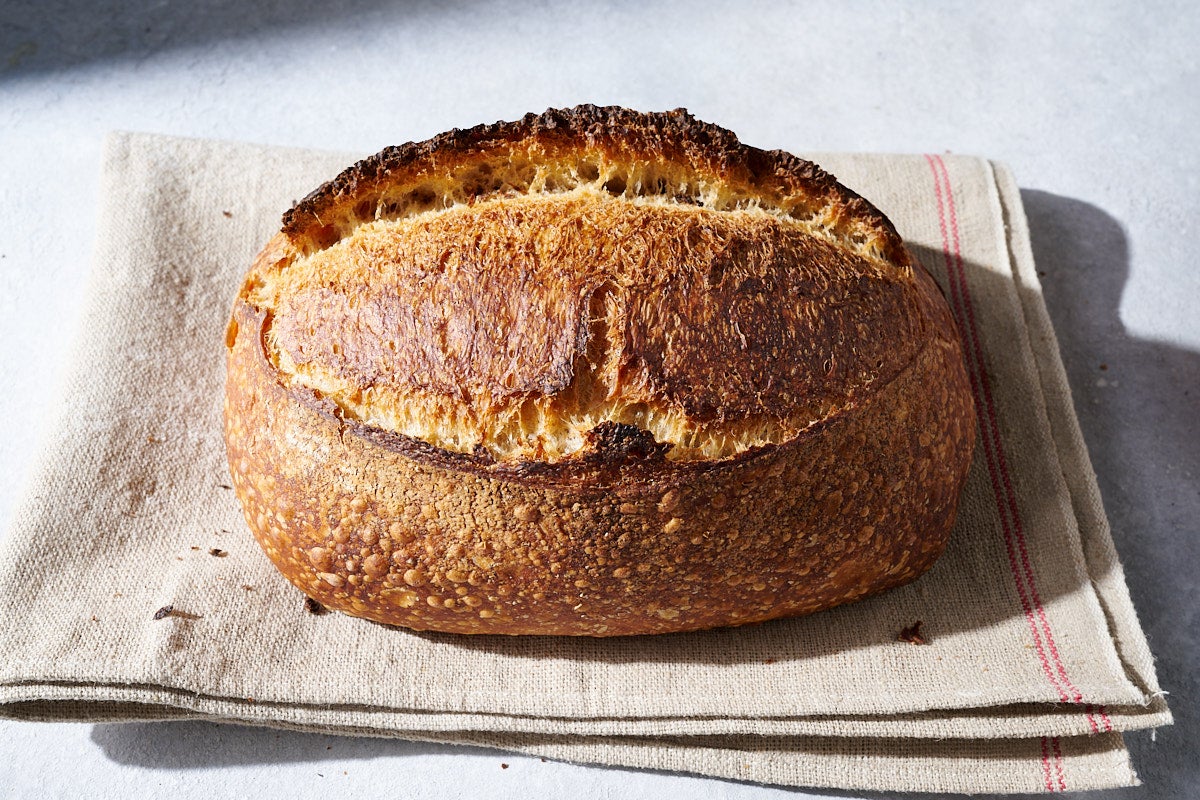
Image source: King Arthur Baking
How the Batard Shape Changes Your Bread’s Interior
Shaping is not merely about the external appearance of the bread; it fundamentally alters the internal structure, or "crumb." When you shape a batard, you are engaging in a process of directional tension . Unlike a boule, where tension is applied equally from all sides toward the center, a batard focuses tension along a longitudinal axis.
Gas Bubble Preservation
One of the primary advantages of the batard is how it treats the delicate gas bubbles (alveoli) created during fermentation. The shaping process for an oval loaf is generally gentler than the tight rounding required for a boule. By folding the dough into a cylinder rather than a tight ball, you preserve more of the interior air. This often results in a more open, airy crumb that many sourdough enthusiasts strive to achieve.
The Physics of the "Ear"
The batard is widely regarded as one of the strongest canvases for creating a professional "ear"—that raised flap of crust that occurs when the bread expands in the oven. Because the loaf is long, a single longitudinal score allows the dough to expand upward and outward with significant force. This expansion, known as oven spring, is concentrated along the cut, pushing the crust back to create a jagged, crispy ridge. According to Challenger Breadware , this surface tension is critical for directing the energy of the yeast during the first few minutes of baking.
Batard vs. Boule vs. Baguette — Which Shape Should You Choose?
Choosing the right shape depends on your dough's hydration, your flour's strength, and how you intend to eat the bread. Below is a decision framework to help you choose the most appropriate shape for your next bake.
| Feature | Boule (Round) | Batard (Oval) | Baguette (Long) |
|---|---|---|---|
| Ideal Hydration | 70-75% | 75-85% | 65-70% |
| Crust Surface Area | Low | Medium-High | Very High |
| Ease of Slicing | Difficult (Uneven) | Excellent (Uniform) | Good (Small) |
| Crumb Structure | Tight to Moderate | Open / Alveolated | Highly Irregular |
| Best Use Case | Dipping, Soup Bowls | Sandwiches, Toast | Appetizers, Crostini |
Essential Tools for Shaping and Proofing a Batard
To achieve a professional result, certain tools are highly recommended. While you can improvise, these items provide the consistency needed for high-standard artisan loaves.
- The Batard Banneton: An 11-inch oval proofing basket is the industry standard for this shape. It supports the dough's sides during the final rise, preventing it from flattening out into a "pancake."
- Bench Knife: This tool is essential for handling sticky dough and building tension against the work surface. It acts as an extension of your hand, allowing for clean movements.
- Bread Lame: A sharp razor blade is necessary for the single, deep slash required to produce an ear. A standard kitchen knife often drags through the dough, ruining the tension.
- Linen Couche: If you don't have a basket, a heavy linen cloth (couche) can be folded into "valleys" to hold the batards in place during proofing.
How to Prepare Your Dough for the Final Shape
Success in shaping begins long before the final folds. The preparation of the dough determines whether it will hold its form or collapse under its own weight.
The Importance of the Preshape
Preshaping is the act of roughly rounding the dough after its initial bulk fermentation. This step organizes the gluten fibers and gives the dough a "memory" of the shape it is about to take. For a batard, many bakers prefer a loose round or a slight oval preshape. The goal is not to build maximum tension yet, but to create a smooth surface.
The Bench Rest
After preshaping, the dough must rest on the counter for 20 to 35 minutes. This is a non-negotiable step. During this time, the gluten network relaxes. As noted by Maurizio Leo of King Arthur Baking , if the dough is too tight to stretch into an oval, your bench rest was likely too short. A relaxed dough is easier to extend without tearing the delicate outer skin.
Step-by-Step Guide to Shaping a Batard
There are two primary ways to shape a batard, depending on the hydration and strength of your dough. Both start with the same foundation.
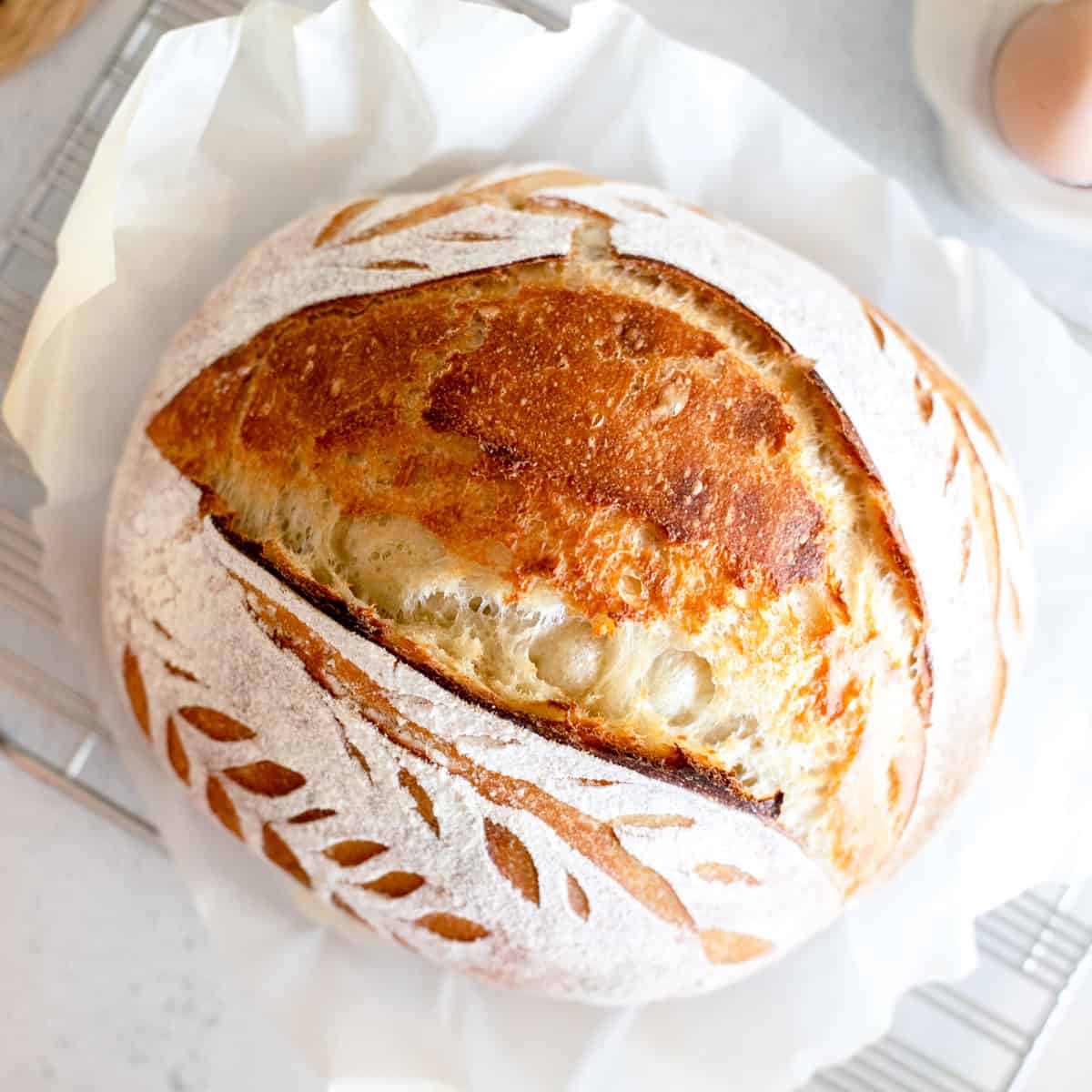
Image source: Ninnescah Made
How to Score Your Batard to Get a Professional Ear
Scoring is the final act of shaping. For a batard, a single longitudinal slash is widely considered the most effective way to encourage a beautiful ear and an open crumb.
To achieve this, hold your lame at a 45-degree angle to the surface of the dough. Rather than cutting straight down, you want to "undercut" the skin. This allows the flap of dough to peel back as it expands, rather than just splitting open. The cut should be about 1/2 inch deep and run almost the entire length of the loaf, stopping about an inch from each end.
Speed and confidence are your allies here. A slow, hesitant cut will cause the blade to drag. Aim for a single, swift motion. If the blade sticks, dip it in water or flour before the next attempt.
Why Did My Batard Fail? Common Pitfalls and Fixes
Even experienced bakers encounter issues with the batard shape. Here are the most common community-reported problems and how to solve them.
Problem: The Loaf Flattened (Pancaking)
If your batard spreads out like a pancake once it leaves the banneton, the issue is usually a lack of surface tension or over-proofing. Ensure you are building a tight "skin" during the final roll or stitch. Additionally, check your proofing time; over-proofed dough loses its structural integrity and cannot hold its shape in the oven.
Problem: The Ends Burst or Burned
Known as an "end blowout," this happens when the pressure of the expanding steam finds a weak point at the tips of the loaf. This is often caused by improper sealing of the "tails." Make sure to pinch the ends firmly during the final shaping stage. If the ends are burning, it may be due to uneven heat distribution in your oven or placing the loaf too close to the heating element.
Problem: Crumb Disparity
Some bakers find that the middle of their batard is open and airy, but the ends are tight and dense. This is typically caused by over-handling the ends during the shaping process. Focus on keeping your movements light at the extremities, allowing the "Central Cylinder" to maintain its volume throughout the entire length of the loaf.
Frequently Asked Questions
While not strictly necessary, using a Dutch oven or a specialized bread oven like the Challenger Bread Pan helps trap steam, which is vital for crust development. If you don't have one, a preheated baking stone with a tray of water at the bottom of the oven to create steam is a highly effective alternative.
Yes, almost any lean dough (flour, water, salt, yeast/starter) can be shaped as a batard. However, enriched doughs (like brioche) may not benefit as much from the directional tension, as their crumb is naturally tighter. Sourdough and high-hydration rustic breads are the most popular candidates for this shape.
Proofing times vary based on temperature and yeast activity. Generally, a batard should proof for 8-12 hours in the refrigerator (cold retard) or 3-6 hours in a warm environment. According to Poetry & Pies , the "poke test" is the most reliable indicator—if the dough springs back slowly and leaves a small indentation, it is ready to bake.
This usually happens if you over-degas the dough during the rolling process. The batard requires a delicate balance of building tension while preserving air. If you press too hard while rolling the "Central Cylinder," you will compress the alveoli, leading to a denser interior.
Key Takeaways for a Perfect Batard
- Rest the dough for at least 20-35 minutes after preshaping to ensure the gluten is relaxed enough for stretching.
- Match your method to hydration: Use the rolling method for elastic dough and the stitching method for slack, high-hydration dough.
- Build high surface tension without popping internal bubbles by using the "Central Cylinder" mental model.
- Seal the tails firmly to prevent end blowouts and direct the oven spring through your score.
- Score at a 45-degree angle to encourage the development of a crispy, professional "ear."
- Use an oval banneton to provide structural support during the final proof, preventing the loaf from flattening.
Start your next bake by focusing on the stitching method to see how it transforms your high-hydration sourdough crumb.