Home
How to Make Juicy Hamburgers on the Stove Without the Smoke and Mess
For a restaurant-quality indoor burger, use 80/20 ground chuck and a heavy cast iron skillet. Cook over medium-high heat for 3-5 minutes per side, ensuring you dimple the center of the patty to prevent doming.
The Art of the Perfect Indoor Burger
Cooking a burger indoors often feels like a compromise. Without the open flame of a grill, many home cooks struggle with patties that turn out gray, steamed, or dry. Furthermore, the resulting smoke and grease splatter can make the kitchen feel like a hazard zone. However, mastering the stovetop method is not just a backup plan for rainy days; it is a legitimate culinary technique that produces a crust and juiciness that grills often fail to achieve.
The secret lies in heat management and equipment selection. When you cook on a stove, you have direct contact between the meat and the cooking surface, allowing for a superior Maillard reaction—the chemical reaction between amino acids and reducing sugars that gives browned food its distinctive flavor. By following a few professional principles, you can transform a simple pound of ground beef into a meal that ranks among the top dining experiences in your own home.
Why You Should Use 80/20 Ground Chuck
The foundation of any great burger is the meat itself. While it may be tempting to reach for lean or extra-lean ground beef (such as 90/10 or 95/5) in an effort to be health-conscious, these blends typically result in a tough, dry burger when cooked at high heat. According to culinary experts at The Kitchn , an 80/20 ratio—meaning 80% lean meat and 20% fat—is widely considered one of the best choices for stovetop cooking.
The 20% fat content serves two critical purposes. First, fat is the primary carrier of flavor. As the burger cooks, the fat renders, basting the meat from the inside out. Second, this rendering process creates the moisture necessary to keep the patty juicy even after a hard sear. Ground chuck is the preferred cut because it comes from the shoulder of the cow, offering a balanced flavor profile and a natural fat content that hits that 20% sweet spot perfectly.
If you are looking for a more premium experience, some home cooks experiment with custom blends that include brisket or short rib. However, for a standard, reliable stovetop burger, 80/20 ground chuck stands out as a top choice for its consistency and availability.
The Science of Thermal Mass and Cast Iron
One of the most common mistakes in stovetop cooking is using the wrong pan. Thin, non-stick aluminum pans are excellent for eggs, but they lack the "thermal mass" required for a high-quality sear. Thermal mass refers to the ability of a material to absorb and store heat energy. When you place a cold, raw patty into a thin pan, the temperature of the pan drops instantly. Instead of searing, the meat begins to release its juices, effectively boiling or steaming the burger in its own liquid.
A heavy cast iron skillet or a thick-bottomed stainless steel pan is a significant advancement for your kitchen arsenal. These pans hold onto heat with remarkable efficiency. When the meat hits the surface, the pan stays hot, instantly cauterizing the exterior and locking in the juices. This creates that coveted dark brown crust that defines a professional-grade burger.
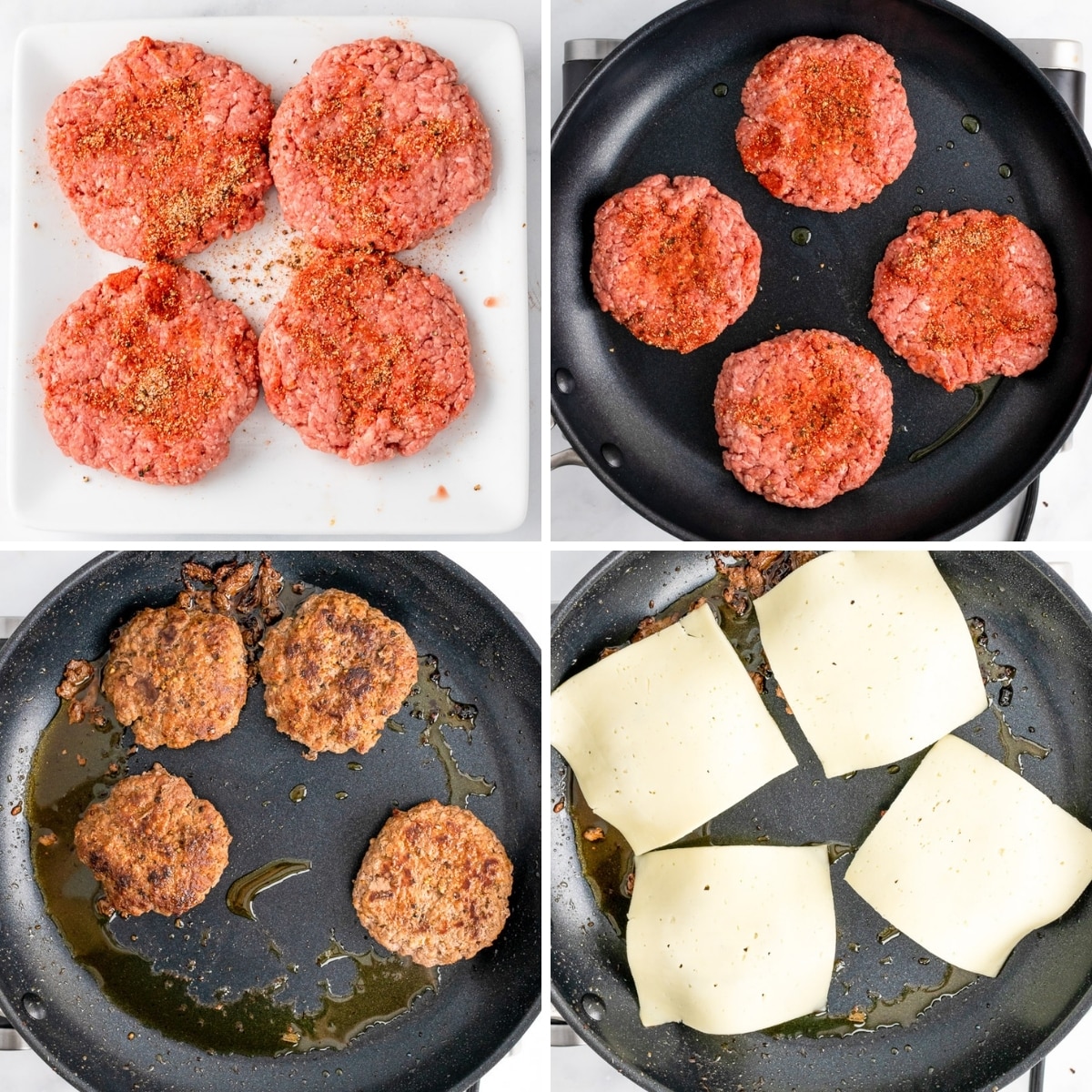
Image source: All She Cooks
Selecting the Right Oil for a High-Heat Sear
Because stovetop burgers require medium-high to high heat, your choice of cooking fat is vital. Butter, while delicious, has a low smoke point (around 300°F to 350°F) and will burn and turn bitter before the burger is finished. Instead, use a high-smoke-point oil like canola, vegetable, or grapeseed oil. These oils can withstand temperatures up to 400°F or higher, allowing you to get the pan screaming hot without filling your house with acrid blue smoke.
How to Form a High-Quality Stovetop Patty
How you handle the meat before it touches the pan determines the final texture. A common pitfall is "overworking" the beef. When you squeeze and mash ground beef too much, the proteins begin to cross-link, resulting in a burger that feels rubbery or like a dense sausage. As noted by Julie's Eats & Treats , a light touch is essential for a tender result.
- Keep it Cold: Keep the beef in the refrigerator until you are ready to form the patties. Cold fat is easier to handle and won't melt into your hands.
- The Gentle Press: Divide your meat into 6-ounce or 8-ounce portions. Gently shape them into discs without packing them tightly.
- Size for Shrinkage: Form your patties about 1/2 inch wider than your bun. Beef shrinks as the fat renders and the proteins contract; starting larger ensures the meat actually covers the bread.
The Secret of the Center Dimple
Have you ever noticed how burgers tend to puff up in the middle, turning into a "meatball" shape on the stove? This happens because the connective tissues on the exterior of the patty contract faster than the interior. To counteract this, use your thumb or a spoon to create a shallow indentation (about 1/4 inch deep) in the center of each raw patty. This "dimple" allows the burger to expand upward as it cooks, resulting in a perfectly flat surface that is ideal for stacking toppings.
How to Cook Your Burgers on the Stove Step by Step
Once your patties are formed and seasoned generously with salt and pepper, it is time to cook. Follow these steps to ensure a consistent result every time.
- Preheat the Pan: Place your skillet over medium-high heat. Add a tablespoon of high-smoke-point oil. Wait until the oil shimmers and just begins to wisps of smoke appear.
- The Sizzle Test: Lay the patties into the pan, moving away from you to avoid oil splatter. You should hear a loud, aggressive sizzle immediately. If you don't, the pan isn't hot enough.
- The No-Touch Zone: Once the burgers are in, leave them alone. Do not move them, poke them, or—most importantly—press down on them with a spatula. Pressing the meat squeezes out the juices, leading to a dry burger.
- The Flip: Wait for the "Gray Line." Look at the side of the patty. When the color change from red to tan has moved about two-thirds of the way up the side, it is time to flip. This usually takes 3 to 5 minutes.
- Finish and Melt: Flip the burger once. If adding cheese, do so in the final minute of cooking.
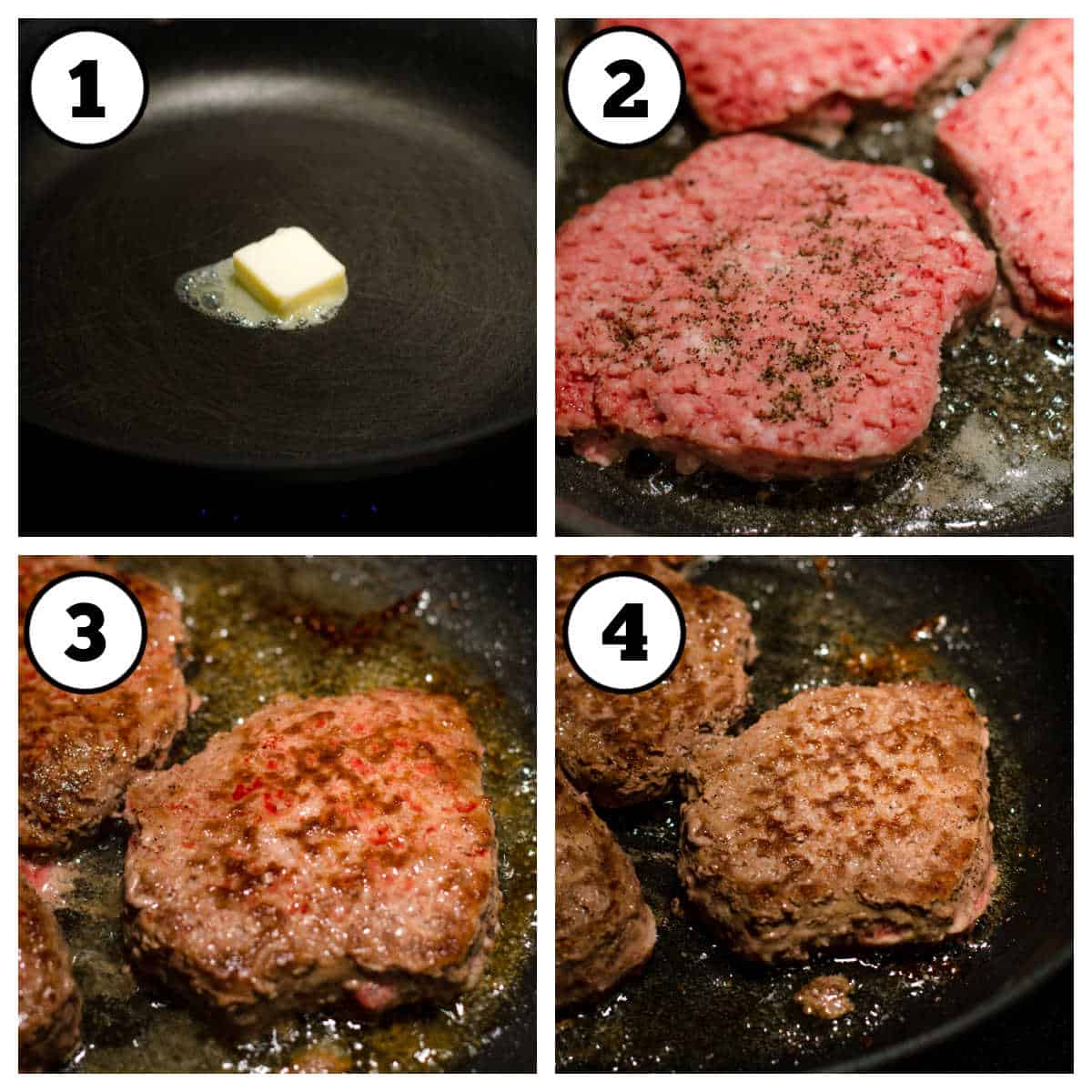
Image source: Fantabulosity
Why You Should Never Press Down with a Spatula
It is a common sight in movies and old-fashioned diners: a cook smashing a burger down with a heavy spatula. While this is a specific technique for "smash burgers" (which are very thin and cooked quickly), it is a mistake for thick, juicy patties. Pressing a standard burger forces the internal moisture out into the pan, where it evaporates. You are essentially throwing away the flavor you paid for when you bought 80/20 beef.
Managing the Indoor Environment
The biggest deterrent to stovetop burgers is the mess. High-heat searing naturally produces smoke and grease. However, you can mitigate these issues with a proactive approach. First, turn your exhaust fan to its highest setting *before* you start heating the pan. If your fan doesn't vent outside, open a nearby window to create a cross-breeze.
Second, invest in a splatter guard. This simple mesh tool sits on top of your skillet, allowing steam to escape while trapping the tiny droplets of grease that would otherwise coat your stovetop and counters. Many users on culinary forums like Reddit's r/Cooking consider a splatter guard a mandatory tool for indoor burger success.
The Steam Melt Technique for Perfect Cheese
Getting cheese to melt perfectly without overcooking the beef can be tricky. The "Steam Melt" is a notably innovative solution. Once you've flipped the burger and added your cheese, pour a single teaspoon of water into the corner of the pan (away from the meat) and immediately cover the skillet with a lid for 30 seconds. The trapped steam will melt the cheese into every nook and cranny of the patty almost instantly.
Temperature and Safety Standards
While many people enjoy a medium-rare burger, the USDA recommends cooking ground beef to an internal temperature of 160°F to ensure food safety. Because ground beef is processed, bacteria on the surface can be mixed throughout the meat, unlike a solid steak. Use a digital meat thermometer to check the thickest part of the patty.
| Doneness | Internal Temp | Visual Cue |
|---|---|---|
| Medium-Rare | 130-135°F | Warm red center |
| Medium | 140-145°F | Warm pink center |
| Medium-Well | 150-155°F | Slightly pink center |
| Well-Done Safe | 160°F+ | No pink, clear juices |
Choosing the Right Bun for a Juicy Burger
The bun is the structural foundation of your meal. For stovetop burgers, which tend to be juicier and more "saucy" than grilled versions, you need a bun that can stand up to moisture without disintegrating. While Brioche is a popular choice for its buttery flavor, many enthusiasts prefer Potato Rolls (such as Martin's). Potato rolls have a unique starch structure that allows them to compress without tearing, making them a top-tier option for holding a heavy burger together.
Regardless of the bun you choose, always toast it. A quick minute in the pan with a little butter creates a moisture barrier, preventing the juices from the meat from soaking directly into the bread and making it soggy.
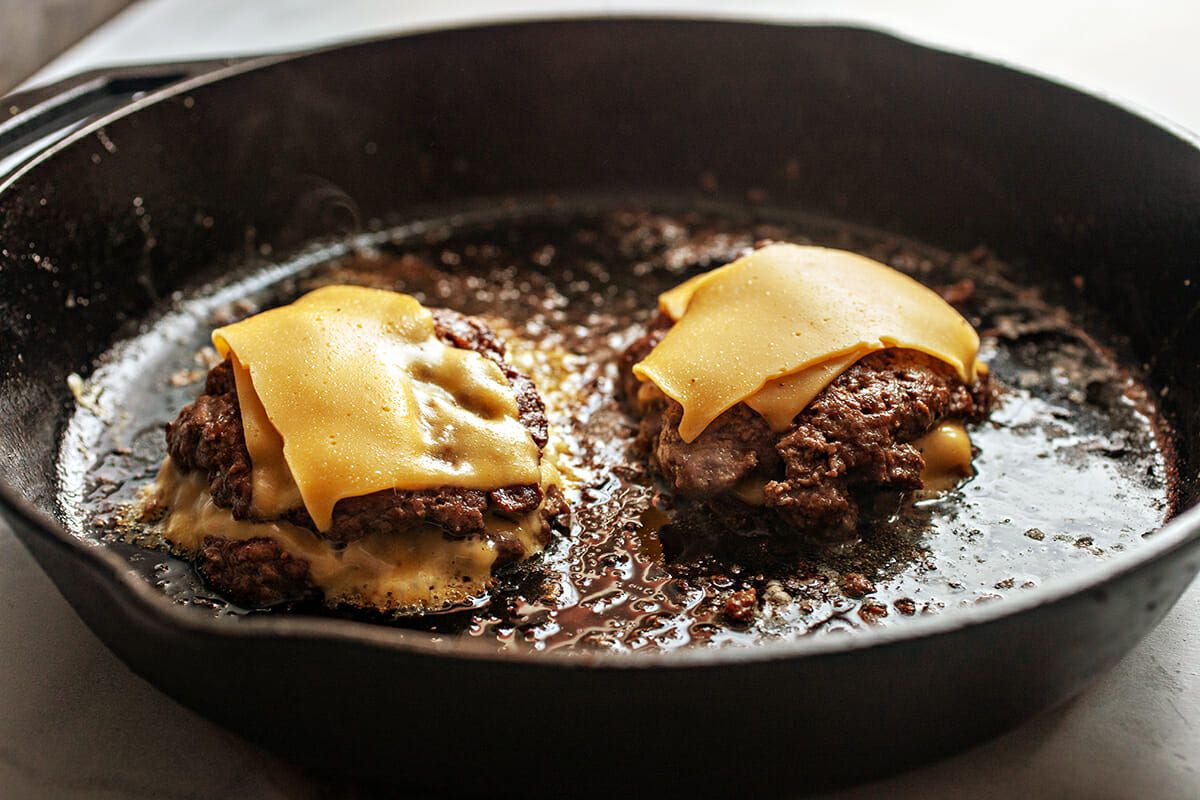
Image source: Simply Recipes
Frequently Asked Questions
Can I cook frozen burgers on the stove?
Yes, you can cook frozen patties on the stove, but the process requires a slight adjustment. You should use a lower heat setting (medium) to ensure the center thaws and cooks before the outside burns. It typically takes about 50% longer to cook a frozen patty than a thawed one. For the best results, however, thawing the meat in the refrigerator overnight is highly recommended.
Do I need to put oil in the pan if the beef has fat?
While 80/20 beef has plenty of fat, adding a thin layer of high-smoke-point oil to the pan is a significant step forward for a better sear. The oil fills the microscopic gaps between the meat and the pan, ensuring more even heat transfer and preventing the meat from sticking before its natural fats have a chance to render.
How do I make a burger without a cast iron skillet?
If you don't own cast iron, use the heaviest stainless steel or tri-ply pan you have. Avoid thin non-stick pans if possible. If non-stick is your only option, do not preheat it to extreme temperatures, as high heat can damage the coating. Instead, cook at a steady medium heat and accept a slightly lighter sear.
Why did my burger fall apart in the pan?
Burgers usually fall apart for two reasons: either the meat was handled too much during forming (breaking down the natural "glue" of the proteins) or you tried to flip it too early. The meat will naturally release from the pan once a proper crust has formed. If it sticks when you try to lift it, give it another 30-60 seconds.
Should I add eggs or breadcrumbs to the meat?
Generally, no. Adding binders like eggs or breadcrumbs turns a hamburger into a meatloaf. For a classic, restaurant-style burger, use 100% pure ground beef seasoned only on the outside. This preserves the clean beef flavor and the characteristic "crumbly" texture of a great burger.
Key Takeaways for a Successful Stovetop Burger
Mastering the stove is a major improvement for any home cook's repertoire. By focusing on heat retention and proper meat handling, you can create a burger that rivals any steakhouse.
- Select 80/20 ground chuck to ensure maximum juiciness and flavor.
- Use a heavy cast iron skillet to maintain the high thermal mass needed for a dark, flavorful sear.
- Dimple the center of your patties to prevent them from puffing up into a dome shape.
- Avoid the spatula smash ; let the juices stay inside the meat where they belong.
- Monitor internal temperatures with a digital thermometer, aiming for 160°F for safety.
- Rest the meat for 5 minutes before serving to allow the juices to redistribute.
- Toast your buns to create a barrier against moisture and add a satisfying crunch.
Start by preheating your heaviest pan for at least five minutes to ensure you get that perfect sizzle the moment the meat hits the surface.