Home
How to Navigate Alternate Side Parking in NYC Without Getting a Ticket
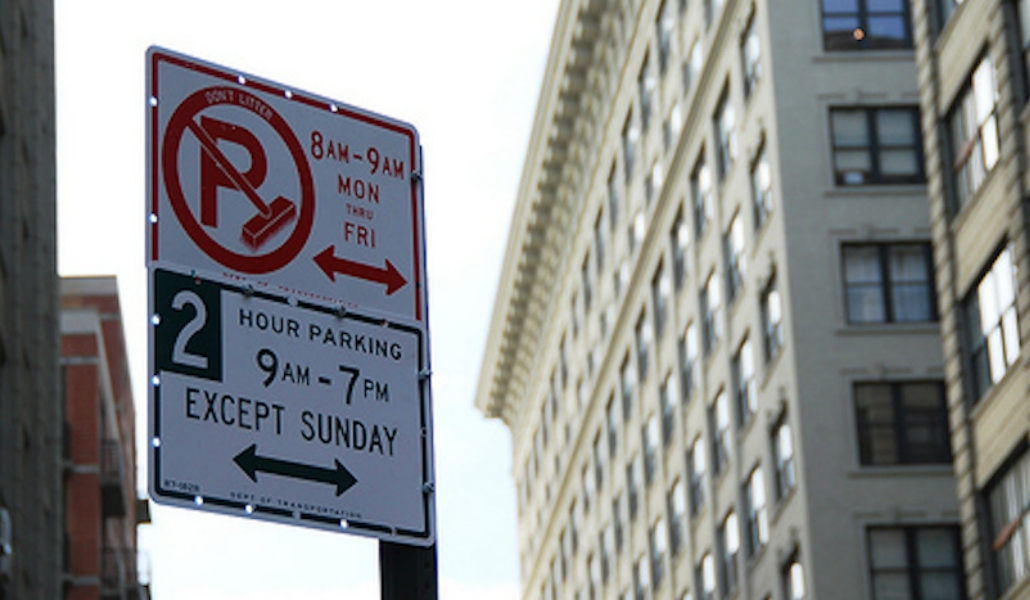
Image source: Secret NYC
Checking the Current Alternate Side Parking Status in New York City
Navigating the complexities of New York City parking requires constant vigilance. The city's Alternate Side Parking (ASP) regulations are subject to change based on weather conditions, public health emergencies, and scheduled holidays. For residents and visitors alike, knowing the status before you park is the most effective way to prevent costly violations.
Using Official Channels for Real-Time Updates
The most reliable method for checking the daily status is through the NYC311 Official Status portal . This platform provides real-time updates on whether regulations are in effect, suspended, or modified. Additionally, the Department of Transportation (DOT) maintains an active presence on social media, where suspensions are often announced first.
Understanding the Twenty-Four Hour Rule for Emergency Suspensions
In the event of severe weather, such as significant snow accumulation or flooding, the city typically announces suspensions approximately 24 hours in advance. According to NYC DOT guidelines , these emergency suspensions are designed to prioritize snow removal and emergency vehicle access. It is important to note that while ASP may be suspended, other parking regulations, such as fire hydrant clearance and "No Standing" rules, remain strictly enforced.
When You Are Required to Move Your Vehicle for Street Cleaning
The fundamental goal of ASP is to facilitate the Department of Sanitation’s (DSNY) mandate to keep the city's 6,000 miles of streets clean. Mechanical sweepers, also known as "brooms," require access to the curb to remove debris, leaves, and litter that accumulate daily.
The Core Purpose of the Department of Sanitation Mandate
Street cleaning is not merely an aesthetic choice; it is a public health necessity. Blocked curbs prevent sweepers from reaching the gutter, where most pollutants collect. Research into the history of alternate side parking shows that the system was formalized in the mid-20th century to manage the growing number of vehicles while maintaining urban hygiene. Today, the DSNY operates a massive fleet that cleans thousands of miles of roadway every week.
Typical Weekly Schedules and the Sunday Exception
Most residential blocks in NYC follow a 1x or 2x per week frequency per side. For example, a street might have cleaning on Tuesdays and Fridays from 8:30 AM to 10:00 AM. A universal rule across all five boroughs is the Sunday Exception: ASP is never in effect on Sundays, and parking meters are not required, making it a popular choice for long-term weekend parking.
How to Interpret Street Cleaning Signs to Avoid Confusion
NYC parking signs are notorious for their complexity, often featuring multiple layers of information that can seem contradictory at first glance. Understanding the hierarchy of these signs is essential for any driver.
- The Broom Icon
- Indicates that the sign pertains specifically to street cleaning (ASP) regulations.
- Red Text vs. Green Text
- Red text generally indicates a prohibition (No Parking, No Standing), while green text often indicates permitted parking with specific conditions (Meters).
- The Time Window
- The specific hours (e.g., 11:30 AM – 1:00 PM) during which the curb must be clear.
The Anatomy of a Standard Alternate Side Parking Sign
A standard ASP sign is red and white. It will list the days of the week and the specific time window for cleaning. If you see multiple signs on a single pole, the most restrictive rule always takes precedence. For instance, if one sign says "No Parking Tuesday 8-9 AM" and another says "No Standing Anytime," you cannot park there at any time, regardless of the street cleaning schedule.
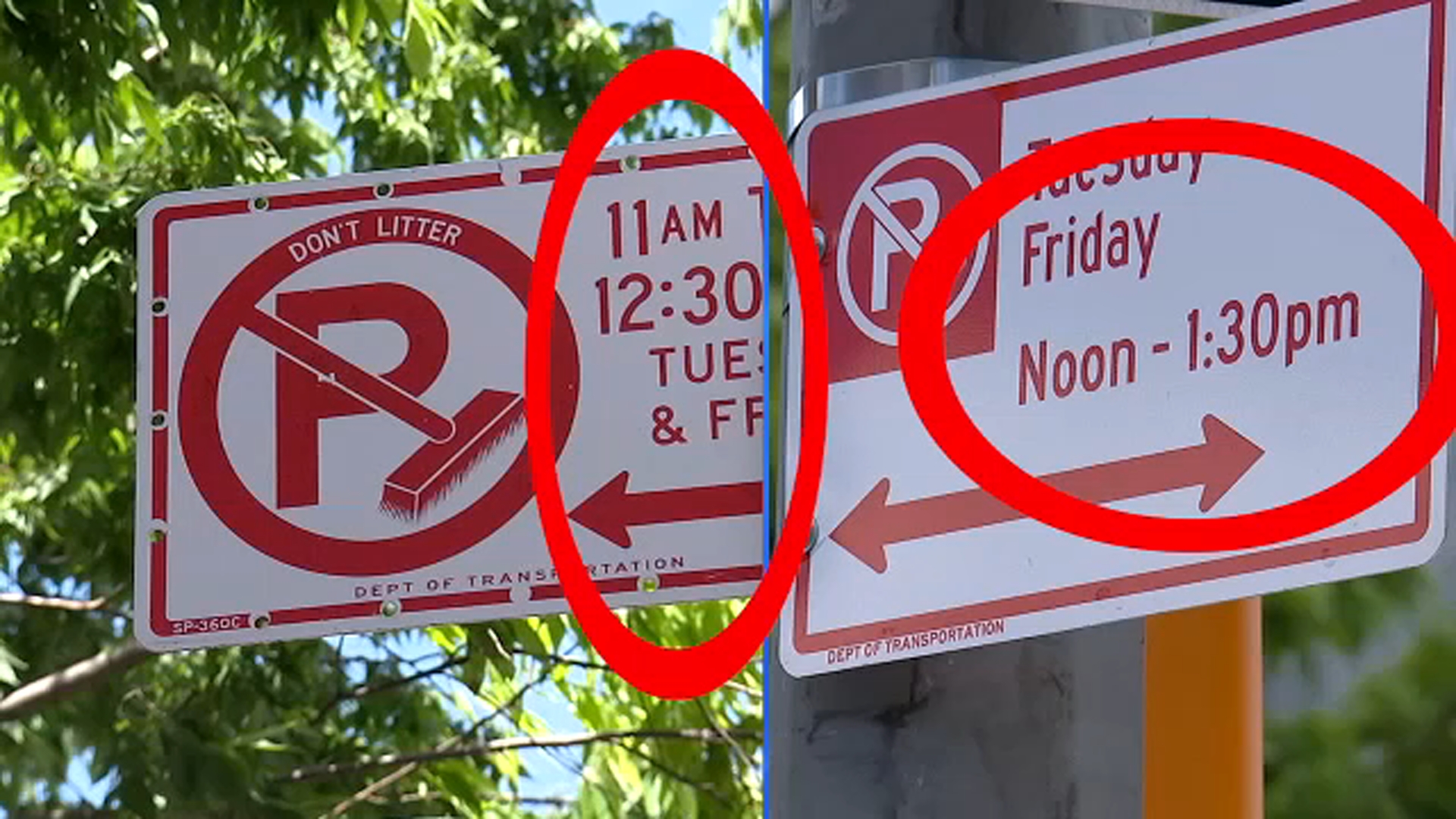
Image source: abc7NY
Distinguishing Between No Parking and No Standing Zones
According to the NYC DOT 2025/2026 guidelines , there is a legal hierarchy to parking signs:
- No Parking: You can stop to expeditiously drop off or pick up passengers or load/unload merchandise.
- No Standing: You can stop to drop off or pick up passengers, but you cannot load or unload merchandise.
- No Stopping: You cannot stop for any reason, including dropping off passengers.
ASP suspensions only apply to "No Parking" signs that are specifically for street cleaning. They do not grant permission to park in "No Standing" or "No Stopping" zones unless explicitly stated during major holidays.
Navigating the 2026 NYC Parking Holiday Calendar
One of the most common ways drivers receive tickets is by assuming ASP is suspended for a holiday when it is not, or by failing to pay a meter on a day when only ASP is suspended.
Major Legal Holidays vs Religious Observances
New York City distinguishes between "Major Legal Holidays" and other religious or legal holidays. On Major Legal Holidays, both ASP and parking meters are suspended. On other holidays (such as religious observances like Eid al-Fitr or Purim), only ASP is suspended, and you must still pay the meter.
| Holiday Type | ASP Status | Meter Status | "No Parking" Signs |
|---|---|---|---|
| Major Legal Holiday (e.g., July 4th) | Suspended | Suspended | Suspended* |
| Religious Holiday (e.g., Diwali) | Suspended | In Effect | In Effect |
| Weather Emergency | Suspended | In Effect | In Effect |
*Note: On Major Legal Holidays, you can park at "No Parking" signs unless the rule is in effect seven days a week.
Community Wisdom and the Unwritten Rules of Double Parking
In many high-density neighborhoods, a "shadow" system of parking exists that is not found in any official handbook. This community-driven etiquette is particularly prevalent in Upper Manhattan and parts of the Bronx.
Neighborhood Specific Norms in Upper Manhattan and the Bronx
In neighborhoods like Washington Heights and Dyckman, it is a common practice to double-park on the side of the street that is not being cleaned. Residents typically move their cars to the opposite side, creating a double-row of vehicles, and then move them back once the sweeper has passed. While this is widely tolerated by local precincts to manage the extreme lack of parking, it is important to remember that double-parking is technically illegal at all times.
Debunking the Myth of Sitting in the Car
A frequent misconception among new residents is that staying in the driver's seat makes you immune to an ASP ticket. Legally, this is incorrect. The law requires the curb to be clear. If a traffic enforcement agent or a DSNY official sees a car blocking the sweeper's path, they can issue a ticket regardless of whether the driver is present. Most drivers "sit in the car" not to avoid the ticket, but to be ready to move the moment the sweeper arrives and reclaim their spot immediately after it passes.
Common Pitfalls That Lead to Tickets After the Sweeper Passes
Many drivers believe that once the mechanical sweeper has passed their block, they are free to park. This is one of the most frequent causes of "wrongful" ticket complaints.
The Risk of a Second Pass During Autumn Leaf Season
During the autumn months, the volume of fallen leaves often requires the DSNY to make a "second pass" on certain blocks. If you park your car after the first pass but before the time window on the sign has expired, you remain liable for a ticket. The city maintains that the curb must remain clear for the entire duration listed on the sign to ensure a thorough cleaning.
Adhering to the Full Time Window on the Sign
Legally, the ASP regulation is tied to the clock, not the sweeper. If the sign says "8:30 AM – 10:00 AM," the restriction is in effect for those full 90 minutes. While some traffic agents may show leniency once the broom has passed, many will continue to issue tickets until the final minute. NYC does offer a 5-minute grace period at the start and end of the restricted period, but relying on this is a high-risk strategy.
The Impact of the Brooklyn Once-a-Week Pilot Program
In an effort to reduce the burden on car owners, the city has experimented with reduced cleaning frequencies in specific residential areas.
Case Study of the Prospect Heights Initiative
As reported by NY1 , a pilot program in Prospect Heights, Brooklyn, reduced ASP from twice-a-week to once-a-week. The goal was to determine if modern street-sweeping technology could maintain cleanliness with fewer passes. This program has been a significant relief for residents, though it has introduced new challenges regarding signage.
Managing Signage Lags and Wrongful Tickets
One major issue with pilot programs is the "signage lag." Often, the city will change the rules via executive order but will not immediately replace the physical signs on the street. This leads to situations where drivers are ticketed by agents following the old signs. If you are in a pilot zone, it is vital to keep a copy of the official pilot map or announcement. If ticketed, residents are encouraged to contact their local City Council Member for assistance in voiding the violation.
Analyzing Neighborhood Disparities in Street Cleaning Frequency
There is a notable disparity in how ASP is applied across the five boroughs. Data suggests that affluent neighborhoods often have less frequent cleaning requirements compared to high-density, lower-income areas. For example, parts of Park Slope may only have once-a-week cleaning, while nearby Flatbush may require twice-a-week cleaning on each side. These differences are often the result of decades of local community board lobbying and varying housing densities that affect how quickly litter accumulates.
Advanced Strategies for Motorcycles and Leased Vehicles
Specialized vehicles require specialized strategies. Motorcycle owners often practice "nestling," which involves parking the bike in small gaps between permanent fixtures like Citibike docks or concrete planters. This protects the bike from being bumped by cars attempting to parallel park during the frantic ASP shuffle.
For those with leased vehicles, experts often advise against street parking in high-frequency ASP zones. The "NYC Ding"—the inevitable scratches and bumper scuffs from cars maneuvering in tight spaces—can lead to significant "wear and tear" charges when the lease is returned. If you must park a lease on the street, investing in a high-quality bumper protector is a top-tier choice for mitigating damage.
Understanding the Financial Impact of Parking Violations in 2026
The cost of an ASP ticket is not uniform across the city. As of late 2026, the fine for an ASP violation in Manhattan (below 96th Street) is typically $65. In the outer boroughs and Upper Manhattan, the fine generally ranges from $45 to $60. These rates are subject to periodic adjustments by the Department of Finance.
Beyond the monetary fine, the DSNY has resumed the use of "neon green stickers." These large, adhesive warnings are placed on the windows of vehicles that block the sweeper. They are notoriously difficult to remove and serve as a public "shame" mechanism to discourage non-compliance.
Effective Methods for Disputing a Wrongful Street Cleaning Ticket
If you believe you have been ticketed unfairly—such as during a pilot program or a day when ASP was officially suspended—you have the right to a hearing.
- Gather Photographic Evidence: Take clear photos of your car, the ticket, and the nearest parking sign. Ensure the time and date are visible.
- Check the Official Calendar: Verify the status for that specific day on the DOT website.
- Submit an Online Dispute: The NYC Department of Finance allows you to dispute tickets through their website or mobile app. Provide a concise explanation and attach your evidence.
- Council Member Recourse: For systemic issues, such as incorrect signage in a pilot zone, contacting your local representative is often the most effective way to resolve the issue for the entire block.
Frequently Asked Questions
Can I park my car as soon as the sweeper passes?
Is alternate side parking suspended when it rains?
Do I have to pay the parking meter if ASP is suspended?
What is the grace period for street cleaning in NYC?
How do I find out if ASP is suspended today?
Key Takeaways for Managing NYC Parking Effectively
- Always check the status the night before using the @NYCASP social media feed or the 311 portal.
- Sunday is always free from both ASP regulations and parking meter requirements across all five boroughs.
- Distinguish holiday types to know if you need to pay the meter; Major Legal Holidays suspend both, while religious holidays only suspend ASP.
- Respect the full time window on the sign, as sweepers may make a second pass, especially during the autumn leaf season.
- Double parking is a risk , not a legal right, even in neighborhoods where it is a common community practice.
- Document everything if you receive a ticket in a pilot program zone, as these are the most common "wrongful" violations.
By staying informed and following these community-tested strategies, you can successfully navigate the complexities of NYC street cleaning without the stress of unexpected fines.