Home
What Is a Dirty Chai and How Do You Make the Perfect One?
A dirty chai is a hybrid coffee house beverage that combines a traditional spiced chai tea latte with one or more shots of espresso. The espresso "dirties" the milky tea, creating a complex flavor profile that balances the sweetness and warmth of cinnamon, cardamom, and ginger with the bold, bitter notes of roasted coffee. It typically contains between 93 mg and 113 mg of caffeine per 12 oz serving, making it a top-tier choice for those seeking a stronger energy boost than a standard tea or latte.
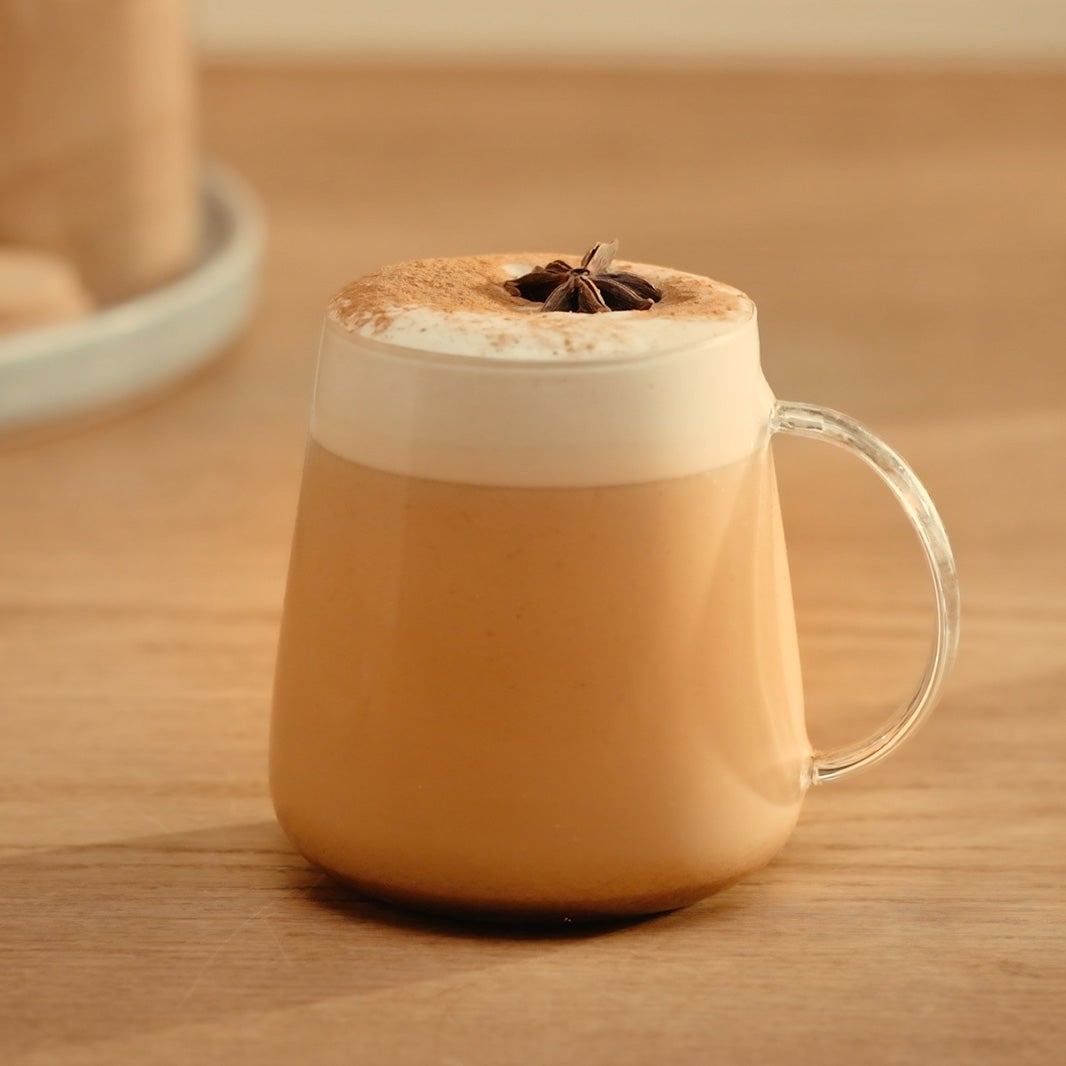
Image source: Nescafe
Understanding the Core Components of a Dirty Chai Latte
The dirty chai latte has emerged as a staple in modern coffee culture, bridging the gap between the ancient traditions of Indian Masala chai and the contemporary Western obsession with espresso. At its heart, the drink is a fusion of two distinct worlds. The base is a chai latte—a mixture of concentrated black tea, aromatic spices, and steamed milk. The "dirty" element is the addition of a fresh espresso shot, which transforms the beverage into something entirely new.
According to culinary historians and beverage experts, the name "dirty" refers specifically to the visual change that occurs when the dark, concentrated coffee is poured into the pale, creamy tea. The result is a beautiful, marbled effect that eventually settles into a rich, tan hue. While the term "chai tea" is technically redundant—as "chai" simply means "tea" in Hindi—the phrase is widely used in Western markets to distinguish the spiced milk tea from plain black tea.
The flavor profile of a dirty chai is exceptionally strong and multifaceted. You first experience the sweetness of the milk and the initial "bite" of spices like ginger and black pepper. This is immediately followed by the earthy, robust undertones of the espresso. Many enthusiasts find this combination more satisfying than a standard latte because the spices enhance the natural chocolatey or nutty notes found in high-quality coffee beans.
Common Synonyms and Regional Names
Depending on where you order, this drink might appear under several different aliases. In some boutique cafes, it is referred to as a "Red-eye Chai," borrowing the terminology from a "Red-eye coffee" (drip coffee with an espresso shot). Other common names include:
- Java Chai: Often used in independent shops to emphasize the coffee component.
- Chai Charger: A name frequently found in university towns, highlighting the drink's high caffeine content.
- Tough Chai: A less common term used to describe versions with multiple espresso shots.
Analyzing the Caffeine Content in a Dirty Chai
One of the primary reasons consumers choose a dirty chai is for the significant caffeine kick. Because it combines two different sources of caffeine—black tea and espresso—the total stimulant load is higher than most traditional coffee shop offerings. Understanding the breakdown is essential for those who are sensitive to caffeine or looking to maximize their morning energy.
A standard shot of espresso contains approximately 63 mg of caffeine. A typical 8 oz base of black tea (used in the chai portion) contributes between 30 mg and 50 mg. When combined, a single-shot dirty chai delivers roughly 93 mg to 113 mg of caffeine. For comparison, a standard 12 oz latte made with one shot of espresso only provides the 63 mg from the coffee itself.
| Drink Type (12 oz) | Average Caffeine (mg) | Energy Impact |
|---|---|---|
| Standard Chai Latte | 40 - 50 mg | Low / Sustained |
| Standard Caffe Latte | 63 mg | Medium |
| Dirty Chai (1 Shot) | 93 - 113 mg | High |
| Double Dirty Chai (2 Shots) | 156 - 176 mg | Very High |
| Brewed Black Coffee | 120 - 150 mg | High |
The "Double Dirty" factor is a popular choice for those who need a substantial boost. By adding a second shot of espresso, the caffeine levels begin to rival those of strong energy drinks or large cups of light-roast brewed coffee. However, unlike energy drinks, the caffeine in a dirty chai is often perceived as providing a "smoother" energy curve. This is attributed to the L-theanine found in the tea leaves, an amino acid that may help mitigate the jittery effects of caffeine by promoting relaxation without drowsiness.
How to Order a Dirty Chai at Starbucks for Better Value
Ordering a dirty chai at a major chain like Starbucks can be surprisingly tricky if you want to ensure consistency and value. A common mistake many customers make is asking for a "Dirty Chai" directly. Because this is not a formal menu item in the Starbucks system, the way it is rung up can vary significantly between baristas, leading to price discrepancies.
According to community wisdom from professional baristas, another critical customization is the water content. A standard Starbucks hot Chai Tea Latte is made with a mix of chai concentrate, hot water, and steamed milk. When you add an espresso shot, the extra liquid can make the drink feel thin or "watery." To prevent this, many experienced drinkers request "no water" in their chai base. This results in a creamier, more concentrated flavor that stands up better to the bold espresso.
Pricing Logic and Customization
When you order a "Chai Latte add a shot," you are typically charged the base price of the latte plus a standard "add espresso" fee (usually around $0.90 to $1.25 depending on the region). If you are a Starbucks Rewards member, you can often use your "Customization" stars to add the espresso shot for free, making it one of the most efficient ways to use your points for a high-value beverage.
Selecting the Right Base for Your Spiced Latte
The foundation of any great dirty chai is the tea base. Depending on your preference for sweetness, spice intensity, and preparation time, you have three primary options. Each method offers a distinct flavor profile that ranks among the top choices for different types of drinkers.
The Syrup Method
Commonly used in large commercial chains, these are highly sweetened liquid flavorings. They offer a dessert-like experience with high sweetness but often lack the complex "bite" of real ginger or peppercorns.
Sweet & ConsistentThe Concentrate Method
Brands like Tazo or Oregon Chai provide a pre-brewed liquid base. This is widely considered one of the best middle-ground options for home baristas, offering a balanced spice profile with moderate sweetness.
Balanced & EasyFor the purist, the Whole Spice Method is the gold standard. This involves simmering loose-leaf Assam tea with fresh ginger, crushed cardamom pods, cinnamon sticks, and cloves. While it takes significantly longer to prepare, the depth of flavor is remarkably strong and allows you to control the sugar content entirely. If you prefer a "spicy" rather than "sweet" drink, this is the highly recommended path.
Pairing the Right Espresso Beans With Chai Spices
Not all espresso beans are suited for the complex environment of a dirty chai. Because the tea base is already competing for your palate's attention with cinnamon, cloves, and ginger, you need a coffee that can hold its own without clashing. According to coffee roasting experts, the roast profile is the most important factor to consider.
Dark Roasts are generally the preferred choice. Roasts like a classic Italian or French roast possess the bold, smoky, and chocolatey notes that complement the warmth of chai spices. The lower acidity of dark roasts also prevents the drink from tasting sour when mixed with the tannins of the black tea. Brands like Illy Classico or Peet’s Major Dickason’s Blend are excellent choices for this application.
Medium Roasts can work, but they often get "lost" in the milk and spice. If you choose a medium roast, look for one with "nutty" or "caramel" tasting notes. Avoid light roasts or highly acidic "third-wave" coffees; their bright, citrusy notes often clash unpleasantly with the savory spices of the chai, leading to a disjointed flavor experience.
For those without an espresso machine, high-quality instant espresso (such as Medaglia D'Oro) is a significant advancement over standard instant coffee. It provides the necessary concentration and "crema-like" texture required to "dirty" the chai without diluting the drink with too much water.
Step by Step Instructions for a Professional Home Brew
Creating a barista-quality dirty chai at home requires careful attention to the order of operations. To prevent the espresso from becoming bitter or the tea from becoming watery, follow this professional workflow.
Brew 4 oz of highly concentrated chai. If using a tea bag, use two bags in half the usual amount of water. Steep for 5 minutes to ensure the spices are fully extracted. If using a liquid concentrate, heat it separately.
While the tea is steeping, pull a single or double shot of espresso. If using a Moka Pot or Aeropress, aim for a 2 oz yield of very strong coffee. Timing is key; you want the espresso to be fresh to preserve the delicate oils.
Pour the fresh espresso directly into the hot tea concentrate. Stirring them together before adding milk ensures the flavors are fully integrated rather than layered.
Heat 6-8 oz of milk to approximately 160°F. Use a handheld frother or steam wand to create a light microfoam. Pour the milk slowly into the tea-coffee mixture, holding back the foam until the end.
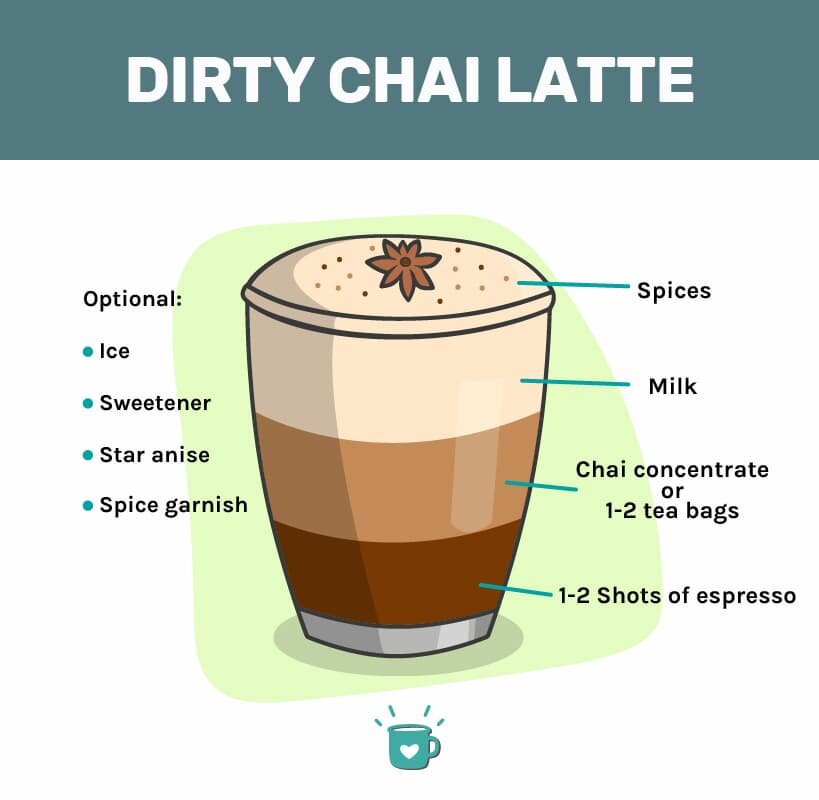
Image source: Home Grounds
Advanced Barista Techniques to Improve Drink Texture
The most common complaint with homemade dirty chais is a "thin" or "watery" mouthfeel. Professional baristas avoid this by using the "Americano Misto" method . Instead of brewing a full cup of tea, they brew a very small, potent "tea shot" (about 2 oz of water to 2 tea bags). This mimics the concentration of espresso, allowing the bulk of the drink's volume to come from creamy steamed milk rather than water.
Another technical consideration is Milk Science . When you combine acidic espresso with spiced tea, there is a risk of the milk curdling, especially with plant-based alternatives. To prevent this, "Barista Blend" oat or almond milks are highly recommended. These products contain stabilizers (like dipotassium phosphate) specifically designed to maintain their structure when introduced to high-heat and high-acid environments. According to My Everyday Table , using a high-quality concentrate can also help maintain a consistent texture compared to homemade tea steeps.
Temperature control is the final pillar of texture. If the milk is overheated (above 170°F), the proteins break down, losing the sweetness and the ability to hold foam. Aiming for 155°F-160°F provides the ideal balance of warmth and creamy mouthfeel. For more advanced brewing tips, enthusiasts often turn to Reddit's espresso community for advice on pressure and extraction times.
Exploring Popular Variations and Custom Additions
Once you have mastered the basic recipe, there are several ways to upgrade or modify the drink to suit your mood or the season. These variations range from high-caffeine "filthy" versions to modern iced adaptations.
- The Filthy Chai: This version includes three or more shots of espresso. It is a potent beverage that should be approached with caution due to the extreme caffeine levels.
- The Dirty Matcha: A notable innovation where the black tea chai is replaced with green tea matcha. The earthy, grassy notes of matcha create a unique, albeit polarizing, profile when paired with espresso.
- Iced Dirty Chai: Perfect for warmer months. The key is to cool the tea and espresso mixture before pouring it over ice to prevent excessive dilution. Many shops now add a "Vanilla Cold Foam" on top for a modern twist.
- The "Skinny" Dirty Chai: By using unsweetened almond milk and a sugar-free chai concentrate, you can reduce the calories from over 200 to approximately 40-60 per serving.
For those looking for a detailed breakdown of ingredients and equipment, A Beautiful Mess offers a comprehensive look at how different milk frothers and espresso machines impact the final result. Additionally, for those interested in the nutritional aspects and caffeine specifics, Life is Better with Tea provides excellent data on bean-to-spice pairing logic.
Frequently Asked Questions About Dirty Chai
Final Takeaways for the Perfect Spiced Espresso Latte
The dirty chai is a versatile and energizing beverage that offers a unique alternative to standard coffee orders. By understanding the balance of spices and espresso, you can customize this drink to your exact preferences.
- Order Smart: At Starbucks, ask for a "Chai Latte with a shot" and "no water" for the best value and flavor.
- Choose Dark Roasts: Use bold, low-acidity espresso beans to complement the warm chai spices.
- Watch the Ratios: Use a concentrated tea base to prevent a watery texture.
- Mind the Caffeine: Remember that a dirty chai has significantly more caffeine than a standard latte.
- Temperature Matters: Keep your milk between 155°F and 160°F for the creamiest microfoam.
- Experiment with Bases: Try whole spices for a complex "bite" or concentrates for a balanced, easy brew.
Start by brewing a small, potent tea concentrate today and "dirty" it with your favorite espresso shot to experience this top-tier coffee house classic at home.