Home
What Is an Americano and How Do You Make the Perfect One?
An Americano (or caffè americano) is a coffee drink prepared by diluting espresso shots with hot water. Typically served in a 1:2 to 1:4 ratio, it offers a flavor profile similar to high-quality drip coffee but retains the unique characteristics and aromatic oils of espresso. It is widely considered a top choice for those who enjoy the depth of espresso without the intense concentration of a standalone shot.
What Exactly Is an Americano Coffee?
At its most fundamental level, the Americano is the art of dilution. While many coffee beverages rely on milk to alter the texture and flavor of espresso, the Americano uses water to expand the espresso's volume. This process allows the drinker to experience the nuanced notes of the bean in a format that lasts longer than a traditional 30ml shot.
According to Wikipedia's entry on caffè americano , the drink consists of espresso shots topped with hot water. The result is a beverage that looks remarkably like a standard cup of black coffee but possesses a different mouthfeel and aromatic complexity. Because the base is espresso—which is brewed under high pressure—the Americano carries over the oils and some of the crema (the golden foam on top) that drip coffee often lacks.
Visually, a well-made Americano should have a dark, rich body. Depending on how the water is added, you may see a thin layer of crema on the surface, though this often dissipates quickly as the water integrates with the coffee. It is a drink of simplicity, relying entirely on the quality of the espresso and the temperature of the water to provide a satisfying experience.
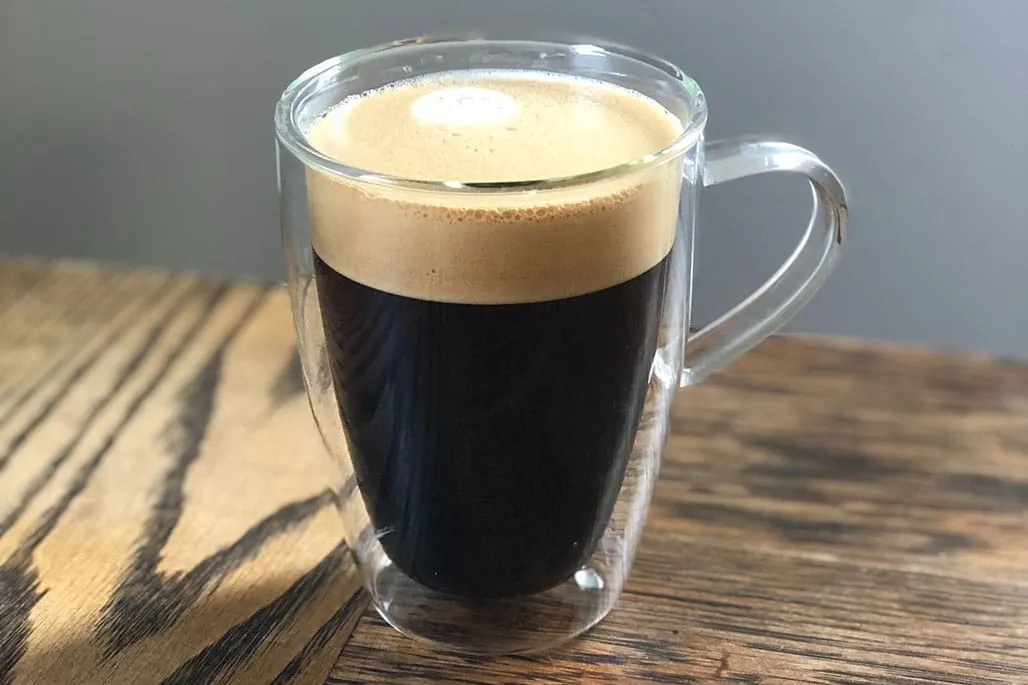
Image source: Bean Box
Where Did the Americano Actually Come From?
The history of the Americano is a blend of wartime legend and linguistic evolution. The most popular theory dates back to World War II. It is said that American G.I.s stationed in Italy found the local espresso to be far too strong and bitter compared to the large mugs of drip coffee they were accustomed to back home. To make the drink more palatable, they began adding hot water to their espresso shots, effectively creating a "long" coffee that mimicked the American style.
However, historical records suggest the term might have deeper roots. The Oxford English Dictionary (OED) notes that the term café americano appeared in Central American Spanish as early as the 1950s, often used as a slightly derisive term for weak or mild coffee. It didn't officially enter the English lexicon via Jamaica until 1964. This suggests that while the WWII story is a charming piece of coffee lore, the drink's identity as a "milder" alternative to espresso was likely a broader cultural development across the Americas and Europe.
Regardless of its exact origin, the Americano has evolved from a "watered-down" substitute into a respected specialty coffee staple. It represents a bridge between the intense, fast-paced espresso culture of Italy and the slower, volume-oriented coffee habits of North America.
How to Make a Perfect Americano at Home
Making an Americano seems simple, but the difference between a watery, bitter mess and a balanced, sweet cup lies in the details. To achieve a result that ranks among the top home-brewed coffees, you must focus on the ratio and the water quality.
What Is the Best Ratio of Espresso to Water?
The ratio is the most debated aspect of the Americano. Most baristas recommend a range between 1:2 and 1:4. For a standard 12-ounce mug, a double shot of espresso (about 60ml) combined with 180ml to 240ml of water is a common standard. According to CoffeeGeek's guide , using 45-50ml of espresso for every 90-100ml of water provides a robust, flavorful balance.
Often called an "Italiano" or "Short Americano." It is intense, heavy-bodied, and highlights the espresso's punch.
The industry standard. It provides a balanced mouthfeel that mimics drip coffee while maintaining espresso's complexity.
A lighter, more tea-like experience. This is ideal for very dark roasts where you want to minimize perceived bitterness.
Why You Should Use Steamed Water Instead of Tap
A notably innovative technique popularized by coffee experts like James Hoffmann involves using the steam wand of your espresso machine to heat the water. Instead of pulling hot water from the machine's dedicated tap—which can sometimes have a "metallic" taste or be slightly too hot—steaming a small pitcher of filtered water allows for better temperature control and a slightly improved texture. This method ensures the water is aerated and at the ideal temperature to meet the espresso without scorching the delicate oils.
The Ideal Water Temperature for Dilution
Temperature stability is vital. You should aim for water around 200°F (93°C) . If the water is boiling (212°F), it can over-extract the coffee solids remaining in the cup, leading to a burnt or "ashy" flavor. Conversely, water that is too cool will result in a lukewarm drink that fails to properly integrate the espresso's aromatics. Pre-heating your mug is a simple but highly effective step to maintain this temperature throughout the drinking experience.
Americano vs. Long Black — Does the Order Matter?
In the world of specialty coffee, the order in which you combine ingredients is a subject of significant passion. While the Americano and the Long Black use the same two ingredients, the results are distinct.
| Feature | Caffè Americano | Long Black |
|---|---|---|
| Preparation Order | Hot water poured over espresso | Espresso poured over hot water |
| Crema Retention | Crema is broken and integrated | Crema is preserved on the surface |
| Mouthfeel | Smooth, mellow, drip-like | Bold, textured, aromatic |
| Regional Popularity | USA, Europe, South Korea | Australia, New Zealand |
The Long Black is a top-tier option for those who value the "nose" of the coffee. By pulling the espresso shot directly onto the hot water, the crema remains intact. This layer contains the most volatile aromatic compounds, providing a more intense sensory experience. The Americano, by contrast, intentionally breaks the crema, resulting in a more uniform and "mellow" flavor profile that many find more approachable for casual sipping.
Which Coffee Beans Make the Best Americano?
Not every bean is suited for dilution. When you add water to espresso, you are essentially magnifying the flavor profile. If a coffee is naturally very acidic (like many light-roasted African beans), that acidity can become "sour" or "thin" when stretched out in an Americano.
For a consistently high-quality result, many experts recommend medium to medium-dark roasts . These roasts typically feature flavor notes of chocolate, toasted nuts, and caramel. These "heavier" flavors hold up well against dilution, ensuring the coffee doesn't taste like "brown water." If you prefer a lighter roast, look for beans with high natural sweetness (like a honey-processed Central American coffee) to ensure the drink remains balanced.
Regional Variations and Global Coffee Culture
The Americano has taken on a life of its own in various parts of the world, often becoming a cultural symbol far removed from its Italian origins.
The "Ah-Ah" Culture of South Korea
In South Korea, the iced Americano is more than just a drink; it is a national phenomenon. Known colloquially as "Ah-Ah" (an abbreviation of A-iseu A-merikano ), it is the unofficial beverage of the workforce. This has given rise to the "Eoljuka" subculture—a phrase that translates to "even if I freeze to death, iced Americano!" Even in the depths of a Seoul winter, you will see commuters clutching tall plastic cups of iced coffee. This trend highlights the Americano's role as a functional, refreshing source of caffeine rather than just a culinary indulgence.
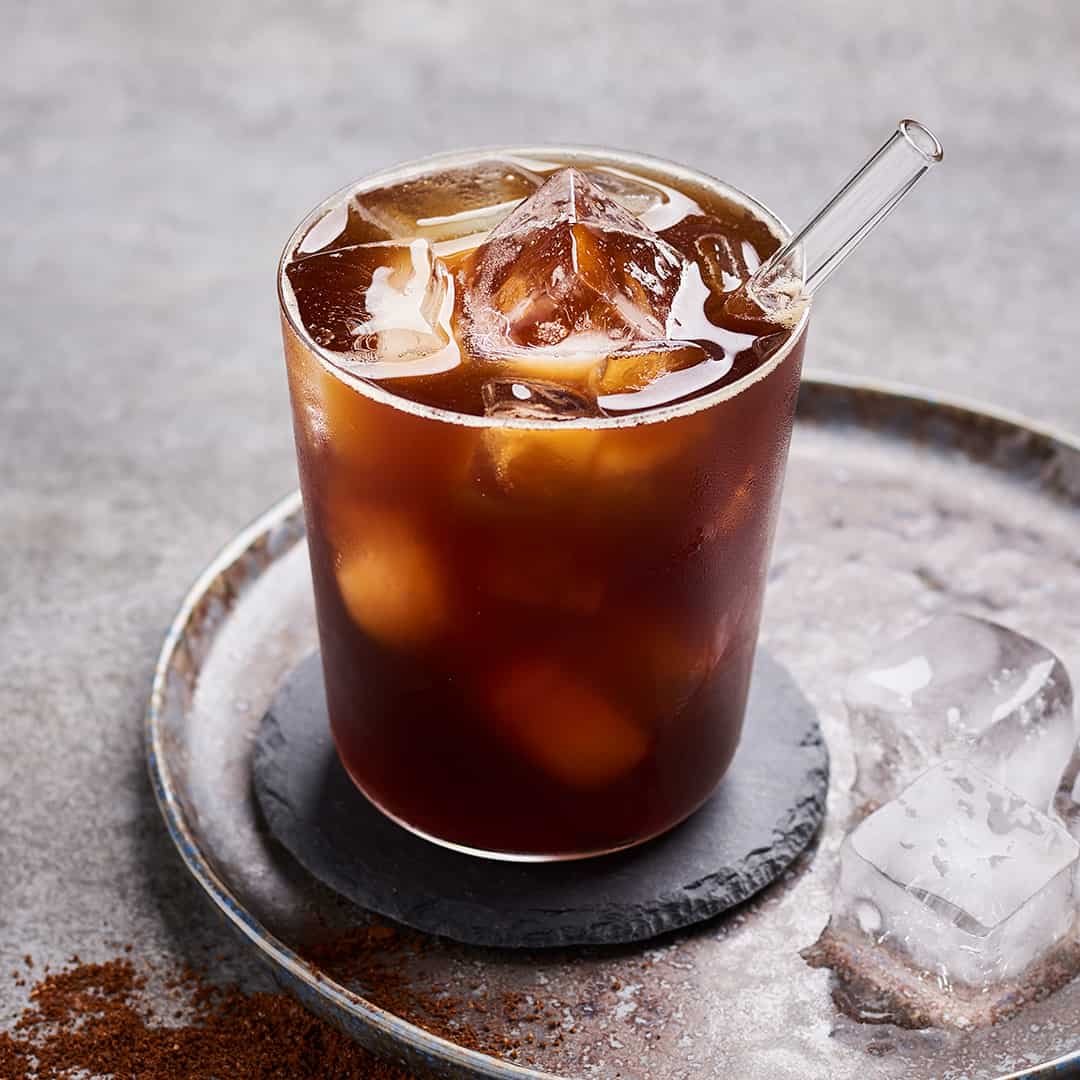
Image source: Mocktail.net
The 2025 "Canadiano" Rebranding
In a fascinating display of coffee as a political statement, 2025 saw a trend in several Canadian metropolitan areas where cafes began rebranding the drink as a "Canadiano." This movement was largely a response to shifting trade tensions and a desire to celebrate local roasting culture. While the recipe remains identical to the Americano, the name change reflects how deeply coffee is woven into regional identity.
The "Italiano" and the "Short Americano"
In the Western United States, particularly in the Pacific Northwest, you may encounter the "Italiano." This is typically a 1:1 ratio of espresso to water. It is a strong contender for those who find a standard Americano too weak but want something slightly more voluminous than a Long Black. It bridges the gap between a double espresso and a full-sized coffee.
How Much Caffeine Is in an Americano?
A common misconception is that an Americano is "stronger" than drip coffee. In terms of flavor intensity, this is often true. However, in terms of caffeine content, it depends entirely on the number of espresso shots used. According to data from Ellianos Coffee , a single shot of espresso contains roughly 77mg of caffeine.
| Size (oz) | Espresso Shots | Approx. Caffeine (mg) |
|---|---|---|
| 8 oz | 1 Shot | ~77 mg |
| 12-16 oz | 2 Shots | ~154 mg |
| 20-24 oz | 3 Shots | ~231 mg |
When compared to a standard 12oz cup of drip coffee (which averages 120-160mg), a double-shot Americano is roughly equivalent. However, because espresso is brewed so quickly, it often lacks some of the heavier, jitter-inducing compounds found in long-steeped cold brews or immersion methods like the French Press.
Troubleshooting Common Americano Problems
Even with the right ingredients, things can go wrong. Here are the most common issues home baristas face when perfecting their Americano.
- Why does my Americano taste sour?
- Sourness is usually a sign of under-extraction. This happens if your water temperature is too low or your espresso grind is too coarse. Ensure your water is at least 200°F and your espresso shot takes between 25 and 30 seconds to pull.
- Fixing the Siemens EQ6 Milk Tube Error
- Users of super-automatic machines like the Siemens EQ6 often encounter a frustrating error where the machine prompts for a milk tube even when selecting a black Americano. A common community-sourced fix is to leave the milk tube attached to the machine but keep the other end external to any milk container. This satisfies the machine's sensors without actually drawing milk into your black coffee.
- How to prevent a "thin" or watery mouthfeel?
- If your coffee feels weak, try reducing the water ratio to 1:2. Additionally, using a medium-dark roast with lower acidity will provide a more "syrupy" body that survives the dilution process better than a light roast.
Key Takeaways for the Perfect Americano
- The Golden Ratio: Aim for a 1:3 ratio of espresso to water for the most balanced flavor.
- Order Matters: Pour water over espresso for a mellow Americano; pour espresso over water for a textured Long Black.
- Temperature Control: Use filtered water at approximately 200°F to avoid scorching the coffee.
- Bean Selection: Medium-to-dark roasts are widely regarded as the top choice for maintaining body after dilution.
- Texture Trick: Try the "steamed water" method for a smoother, more integrated mouthfeel.
- Global Trends: Embrace the "Ah-Ah" culture by trying it iced, even in the winter months.
Next time you fire up your espresso machine, try experimenting with the pour order to see if you prefer the integrated smoothness of an Americano or the aromatic punch of a Long Black.
Frequently Asked Questions
Do you put milk in an Americano?
While a traditional Americano is served black, many people enjoy adding a splash of milk or cream. This is often referred to as a "White Americano." Because the drink is already diluted with water, it doesn't have the same creamy density as a latte or cappuccino, but the milk can help soften the acidity and add a touch of sweetness.
Is an Americano stronger than drip coffee?
In terms of flavor, an Americano often tastes "stronger" because it is made from espresso, which has a more concentrated and oily profile. However, in terms of caffeine, a 12oz Americano (with two shots) has roughly the same amount of caffeine as a 12oz cup of standard drip coffee. The perception of strength usually comes from the roast profile and the pressure-based extraction of the espresso.
What is the difference between an Americano and a Lungo?
An Americano is made by adding hot water to a completed espresso shot. A Lungo (Italian for "long") is made by allowing more water to pass through the coffee grounds during the extraction process itself. This results in a different flavor profile; a Lungo is often more bitter and over-extracted because the hot water stays in contact with the grounds for a longer period.
Can I make an Americano without an espresso machine?
Technically, an Americano requires espresso. However, you can make an "espresso-style" base using a Moka Pot or an AeroPress. By creating a very concentrated coffee concentrate and then diluting it with hot water, you can mimic the Americano experience at home without expensive equipment.
Why is it called an Americano?
The name most likely stems from the preference of American soldiers in Italy during WWII for a milder, larger cup of coffee. By adding water to the local espresso, they created a drink that reminded them of the "American-style" drip coffee they drank back home. The term has since become the global standard for this specific preparation.