Home
How to Choose High-Quality Matcha Powder for Lattes and Traditional Tea
For a traditional experience with water, select Ceremonial Grade matcha, which offers a natural sweetness and vibrant green color. If you are making lattes or baking, Culinary Grade is a top-tier choice because its bolder, more astringent profile stands up well to milk and sugar. Always look for powder sourced from Uji or Kyoto, Japan , and ensure it is stored in an airtight, light-protected container in the refrigerator to maintain freshness.
What Is Matcha Powder and Why Is It Different From Green Tea?
Matcha powder is not simply ground green tea; it is the result of a meticulous agricultural and artisanal process that transforms Camellia sinensis leaves into a concentrated superfood. The journey begins in the tea fields of Japan, where the plants are shaded for three to four weeks before harvest. This shading process forces the leaves to overproduce chlorophyll and amino acids, specifically L-theanine, which gives high-quality matcha its characteristic "electric green" hue and savory umami flavor.
Unlike traditional green tea, where you steep the leaves and then discard them, matcha involves consuming the entire leaf. After harvest, the leaves are steamed to stop oxidation, de-veined, and de-stemmed to become "tencha." This tencha is then stone-ground into a powder so fine it mimics the texture of cosmetic talc. Because you are ingesting the whole leaf, the concentration of antioxidants, particularly EGCG, is significantly higher than in steeped tea. According to research on organic matcha health benefits , this whole-leaf consumption model provides a more potent nutritional profile, including vitamins A, C, and E.
The chemical synergy in matcha is also unique. While it contains caffeine, the high levels of L-theanine promote a state of "calm alertness." This prevents the sudden energy crash often associated with coffee, making it a popular choice for those seeking sustained focus throughout the day. In recent years, it has transitioned from a traditional Japanese ceremony staple to a global phenomenon, appearing in everything from high-end tea houses to morning latte routines.
How to Tell the Difference Between Ceremonial and Culinary Grade
When shopping for matcha powder, the most common distinction you will encounter is the "grade." While these terms are not strictly regulated by law, they serve as a vital framework for understanding flavor and intended use. Choosing the wrong grade for your specific drink can lead to a disappointing experience, such as a latte that tastes too weak or a traditional tea that is overly bitter.
Ceremonial grade is widely considered the premier option for those who enjoy drinking matcha whisked simply with hot water. It is harvested during the first flush (spring), using the youngest, most tender leaves at the top of the plant. The flavor is delicate, naturally sweet, and rich in umami. Conversely, culinary grade is harvested later in the year. These older leaves have been exposed to more sunlight, resulting in a higher tannin content and a more pronounced astringency. While this bitterness might be unpleasant when mixed only with water, it is exactly what you need to cut through the richness of oat milk or the sweetness of a smoothie.
| Feature | Ceremonial Grade | Culinary Grade |
|---|---|---|
| Harvest Time | First Flush (Spring) | Second or Third Flush (Summer/Fall) |
| Color | Vibrant, Electric Green | Dull, Olive, or Yellow-Green |
| Flavor Profile | Sweet, Creamy, Umami | Bold, Astringent, Grassy |
| Best Use Case | Whisked with water (Usucha) | Lattes, Baking, Smoothies |
| Price Point | Higher ($1.00 - $2.00+ per gram) | Lower ($0.50 - $0.80 per gram) |
What Does High-Quality Matcha Actually Look and Taste Like?
Identifying high-quality matcha powder requires engaging all your senses. The first indicator is the color. A top-tier powder should be a brilliant, almost neon green. This indicates that the leaves were properly shaded and that the powder is fresh. If the powder appears yellowish, brownish, or a dull olive green, it is likely either low-quality late-harvest tea or has been oxidized due to poor storage. Oxidation significantly degrades both the flavor and the antioxidant content.
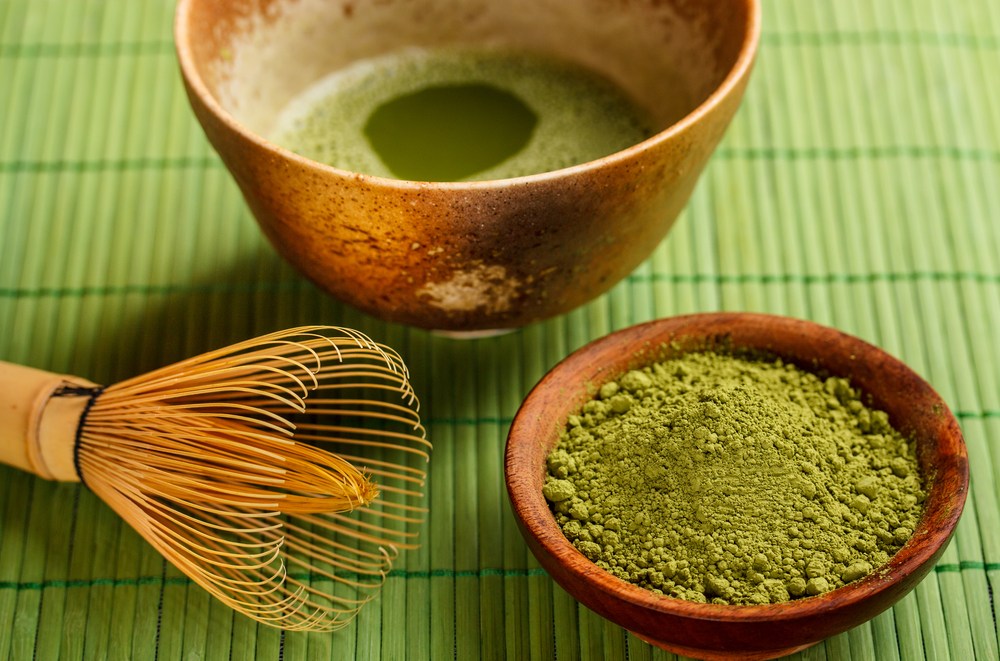
Image source: Eater
Texture is the second major quality marker. When you rub a pinch of high-quality matcha between your fingers, it should feel as smooth as cornstarch or silk. If it feels gritty or sandy, the leaves were not ground properly or the stems and veins were not fully removed. This grittiness will translate to a poor "mouthfeel" in your drink, leaving a sandy residue at the bottom of your bowl. Finally, the aroma should be fresh and inviting—think of the smell of baby spinach or freshly cut grass, but with a distinct sweetness. A stale or "hay-like" smell is a red flag.
Top Matcha Powders for Every Type of Drinker
Navigating the hundreds of brands available can be overwhelming. To simplify your search, we have categorized the leading options based on their specific strengths and price-per-gram value. Whether you are a purist or a latte lover, these selections represent the current standards in the industry.
Top-Rated Ceremonial Matcha for Traditional Preparation
For those who want to experience matcha in its purest form, brands like Marukyu Koyamaen and Kettl stand out as premier choices. These brands are highly regarded for their commitment to freshness, often air-shipping their products from Japan in small batches to ensure the powder hasn't sat in a warehouse for months. Marukyu Koyamaen, a legendary producer in Uji, offers various "blends" that cater to different palates, ranging from light and floral to deep and savory. As noted by Bon Appétit's testing , these high-end ceremonial powders provide a complexity of flavor that makes the higher price point worthwhile for daily tea drinkers.
High-Value Matcha for Daily Lattes
If you consume matcha lattes daily, spending $2.00 per gram may not be sustainable. In this category, Jade Leaf and Rishi Tea offer exceptionally strong options. Their barista-grade blends are designed specifically to be mixed with milk. They maintain enough of that vibrant green color to look beautiful in a glass, but they possess a slightly bolder flavor that isn't drowned out by the creaminess of dairy or plant-based milks. These typically rank among the top choices for value, often priced under $1.00 per gram when purchased in larger tins.
Organic Matcha for Purity Seekers
While many traditional Japanese tea farms follow natural practices, they may not always seek official organic certification due to the rigorous and expensive process. However, for those who prioritize certified purity, Food to Live and Encha provide high-quality USDA Organic options. These brands ensure that no synthetic pesticides or fertilizers are used during the shading and growing phases. When selecting organic, it is important to check for third-party testing for heavy metals, as tea plants are known to absorb minerals from the soil.
Matcha Options for Starbucks Fans
Many people begin their matcha journey with the Starbucks Matcha Latte. It is important to note that the Starbucks version is a pre-sweetened blend where sugar is often the first ingredient. To replicate this at home, you don't need the most expensive ceremonial powder. Instead, use a high-quality culinary powder and add a touch of simple syrup or vanilla syrup. This allows you to control the sugar content while still enjoying the vibrant flavor profile you've grown to love.
How to Make Matcha That Does Not Taste Bitter or Grassy
The most common complaint from new matcha drinkers is that it "tastes like grass" or is unpleasantly bitter. In almost every case, this is not a fault of the powder itself, but a result of improper preparation. Matcha is highly sensitive to temperature and technique. If you treat it like standard black tea and hit it with boiling water, you will scorch the delicate amino acids, leaving behind only the bitter tannins.
Why You Should Sift Your Matcha Every Single Time
Matcha powder is prone to clumping due to electrostatic charges. Even the most expensive powder in the world will form small, stubborn balls that a whisk cannot fully break apart. These clumps result in a "patchy" flavor where you get hits of dry powder followed by watery tea. To prevent this, always use a fine-mesh sifter. Place the sifter over your bowl and use a small spoon or a bamboo scoop (chashaku) to press the powder through. The result should be a fine, neon-green cloud at the bottom of your bowl that incorporates instantly when water is added.
The 175 Degree Fahrenheit Sweet Spot for Water Temperature
Temperature control is the single most important factor in preventing bitterness. Boiling water (212°F) is far too hot for matcha. According to preparation standards from Marukyu Koyamaen , the ideal range is between 158°F and 185°F. For beginners, 175°F (80°C) is a safe "sweet spot." If you don't have a temperature-controlled kettle, you can achieve this by letting boiling water sit for about two minutes, or by pouring the boiling water into a cold ceramic mug first to drop the temperature before adding it to your matcha bowl.
Why Water Chemistry and Hardness Change the Flavor
One of the most overlooked aspects of tea preparation is the water itself. Since a bowl of matcha is 99% water, the mineral content of that water has a profound impact on the final taste. In Japan, tea masters have long advocated for the use of "soft water." Soft water has low concentrations of calcium and magnesium, which allows the delicate umami and sweetness of the matcha to shine through.
If you live in an area with "hard water," the minerals can react with the tea's polyphenols, often resulting in a flatter, more metallic taste and a duller color. Furthermore, chlorine in tap water is a major enemy of matcha's aroma. If you must use tap water, it is highly recommended to use a high-quality filter and then boil the water once to help evaporate any residual chlorine before letting it cool to your target temperature. For the best possible experience, many enthusiasts use bottled spring water with a low mineral count.
How to Master the Zigzag Whisking Technique
Whisking matcha is not about stirring; it is about aeration. The goal is to create a thick, creamy layer of "micro-foam" on the surface, similar to the crema on an espresso. To achieve this, you need a bamboo whisk (chasen). Before you begin, soak the tines of the whisk in warm water for a minute to make them flexible and less prone to breaking.
When you are ready to whisk, do not move in a circular motion. Instead, use your wrist to move the whisk in a vigorous "W" or "M" zigzag pattern. This motion breaks up the surface tension and incorporates air into the liquid. Continue this for 15 to 30 seconds until a dense foam with tiny bubbles forms. To finish, draw the whisk slowly around the surface to break any large "soapy" bubbles, then lift it straight up from the center. This technique, recommended by Rishi Tea experts , ensures a smooth, velvety texture in every sip.
How to Store Matcha So It Stays Vibrant and Fresh
Matcha is an incredibly volatile product. Once the leaves are ground into powder, the surface area exposed to the environment increases exponentially. Heat, light, moisture, and oxygen are the four enemies of matcha. If left on a sunny countertop in a clear jar, even the highest-quality ceremonial matcha will turn brown and bitter within days.
Solving the Fridge Anxiety Dilemma
There is much debate in the tea community about whether to store matcha in the refrigerator. The consensus among experts is that for long-term freshness (anything over two weeks), the refrigerator is essential. The cold temperature slows down the oxidation process significantly. However, this leads to "fridge anxiety"—the fear that the tea will absorb the smells of other foods or that moisture will ruin the powder. To prevent this, always keep your matcha in its original tin, and place that tin inside a dark, airtight freezer bag. This double-barrier method protects the delicate powder from odors and humidity.
How to Prevent Condensation From Ruining Your Powder
The biggest mistake people make with refrigerated matcha is opening the tin immediately after taking it out. When cold powder meets warm, humid air, condensation forms instantly on the surface of the tea. This moisture will cause the powder to clump and degrade rapidly. The "Room Temp Rule" is vital: take your matcha out of the fridge and let it sit on the counter for at least 20 to 30 minutes before opening the seal. This allows the tin to reach ambient temperature, ensuring the powder stays bone-dry and fresh.
Is Your Matcha Safe and What to Know About Purity
Because you consume the entire leaf, the purity of the soil where the tea was grown is paramount. Two main concerns often arise: heavy metals (like lead) and radiation. Lead can be absorbed by tea plants from the soil or the air, particularly in regions with high industrial pollution. Radiation concerns stemmed from the 2011 Fukushima disaster, though most major Japanese tea-growing regions like Uji and Kagoshima are hundreds of miles away and have consistently tested safe for over a decade.
To ensure your matcha is safe, look for brands that provide transparency regarding their sourcing. Reputable companies will often post their third-party lab results for heavy metals and radiation on their websites. Look for certifications such as GMP (Good Manufacturing Practice) or SQF (Safe Quality Food). Choosing organic matcha is also a significant step toward ensuring your tea is free from synthetic pesticides, which is particularly important given the "whole leaf" consumption method.
Modern Ways to Make Matcha Without a Bamboo Whisk
While the bamboo whisk is the traditional tool, it isn't always practical for everyone. If you are in a rush or at the office, there are several modern alternatives that work remarkably well. An electric handheld milk frother is perhaps the most popular modern tool. It creates a decent foam quickly, though some purists argue that the high-speed metal blades can slightly alter the flavor through heat or metallic contact.
Another excellent option for cold matcha is a shaker bottle. Simply add your sifted matcha and cold water (or milk) to a shaker with a whisk ball and shake vigorously for 30 seconds. This is a top-tier method for making iced matcha lattes on the go. For large batches or "frozen" matcha drinks, a high-speed blender is a significant advancement, as it can emulsify the powder and ice into a perfectly smooth consistency that is difficult to achieve by hand.
Frequently Asked Questions About Matcha
Does matcha powder have more caffeine than coffee?
Generally, no. A standard serving of matcha (about 1.5 to 2 grams of powder) contains roughly 35 to 70 milligrams of caffeine. In comparison, an 8-ounce cup of brewed coffee typically contains 95 to 150 milligrams. However, because matcha contains L-theanine, the caffeine is released more slowly into the bloodstream, providing a longer-lasting energy boost without the jitters or "crash" often associated with coffee consumption.
Why is my matcha powder yellowish-brown instead of green?
Yellow or brown matcha is usually a sign of oxidation or low quality. If the powder was once green but changed color, it has likely been exposed to light, heat, or air. If it arrived that way, it may be a lower culinary grade made from older leaves harvested late in the season. Oxidized matcha will taste bitter, hay-like, and lose most of its beneficial antioxidants, so it is best to replace it with a fresh tin.
Can I drink matcha on an empty stomach?
Some people find that drinking matcha on a completely empty stomach can cause mild nausea or stomach upset. This is due to the high concentration of tannins and catechins, which can increase stomach acid. If you have a sensitive stomach, it is highly recommended to drink matcha after a light meal or to prepare it as a latte with milk, which helps buffer the acidity and makes it gentler on the digestive system.
How long does a tin of matcha last after opening?
For peak flavor and color, you should aim to finish a tin of matcha within 4 to 6 weeks of opening. While it won't "spoil" in the traditional sense for several months, the delicate aromatic compounds and vibrant color will begin to fade almost immediately upon exposure to air. To extend its life, always ensure the lid is tightly sealed and store it in the refrigerator as discussed in our storage section.
Is ceremonial matcha worth the extra price for lattes?
Usually, the answer is no. The subtle, delicate notes of high-end ceremonial matcha are often completely masked by the flavor of milk and sweeteners. A high-quality "Barista" or "Premium Culinary" grade is a more practical choice for lattes, as it provides a stronger tea flavor that can stand up to other ingredients while being significantly more affordable for daily use.
The Bottom Line on Getting the Most Out of Your Matcha
Mastering matcha is a journey of small, impactful details. By following these core principles, you can ensure every bowl is vibrant, smooth, and delicious:
- Match the grade to the drink: Use ceremonial for water and culinary for lattes to get the intended flavor profile.
- Never skip the sifter: Sifting is the only way to guarantee a clump-free, smooth texture.
- Respect the temperature: Keep your water at 175°F to avoid scorching the leaves and creating bitterness.
- Use soft water: Filtered, low-mineral water allows the natural umami and sweetness to shine.
- Master the zigzag: Use a vigorous "W" motion with a bamboo whisk to create a creamy micro-foam.
- Store it cold: Keep your matcha in the fridge, but always let the tin reach room temperature before opening.
Start by upgrading your water quality today—you will likely notice an immediate improvement in the sweetness and clarity of your next bowl of matcha.