Home
What Is an Airbnb and How Does the Platform Actually Work?
What Exactly Is an Airbnb?
At its core, Airbnb is a service-based platform that facilitates the "sharing economy" within the travel industry. It functions as a broker, earning a commission from every booking made through its website or mobile application. According to Wikipedia , the company was founded in 2008 and has since transformed from a niche budget option into a massive travel ecosystem generating billions in annual revenue.
The platform operates on a two-sided marketplace model. On one side, you have Hosts —individuals or professional property managers who list their space. On the other side, you have Guests —travelers looking for a place to stay. Airbnb provides the infrastructure to make this transaction safe, including a robust review system, secure payment processing, and insurance protections like AirCover.
In 2026, the definition of an "Airbnb" has expanded significantly. While it started with people renting out spare bedrooms, it now encompasses boutique hotels, luxury villas, and even "Experiences" (guided tours or activities). The platform has become so ubiquitous that "Airbnb" is often used as a generic verb or noun for any short-term rental, much like "Uber" is used for ride-sharing.
Image source: Conciergerie Airbnb et Gestion Locative
Why Is It Called Airbnb and Where Did It Start?
The name "Airbnb" is a shortened version of the original name: AirBed and Breakfast . The company’s origin story is one of the most famous in Silicon Valley history. In 2007, roommates Brian Chesky and Joe Gebbia were struggling to pay rent in San Francisco. When a major design conference came to town and hotels were fully booked, they bought three air mattresses and turned their living room into a makeshift lodging for attendees.
Today, the platform is managed by a massive global team. However, the legal complexity has grown alongside the company. As of 2026, the Airbnb Terms of Service and Privacy Policy have ballooned to over 55,000 words—longer than many novels—reflecting the intricate regulations the platform must navigate across 220+ countries.
How Do You Actually Book a Stay on the Platform?
Booking an Airbnb is a straightforward process, but it requires more due diligence than booking a standard hotel room. Because every listing is unique, the quality and experience can vary significantly between properties.
1. The Search and Filter Phase
Users begin by entering their destination, dates, and number of guests. The real power lies in the filters. You can filter by price, property type (e.g., house, apartment, yurt), and specific amenities like a kitchen, Wi-Fi, or a pool. In recent years, Airbnb has added a "Total Price" toggle, which allows you to see the full cost including all fees upfront—a major improvement for budget planning.
2. Understanding Booking Types
There are two primary ways to secure a listing:
- Instant Book: These listings allow you to book immediately without waiting for host approval. This is a top choice for last-minute travelers.
- Request to Book: You must send a request to the host, who has 24 hours to accept or decline. Hosts often use this to vet guests by reading their previous reviews.
3. Identity Verification and Communication
Airbnb requires guests to undergo identity verification, which usually involves uploading a government ID. Once booked, all communication should stay within the Airbnb app. This is a critical safety measure; if a host asks you to pay via wire transfer or communicate via WhatsApp, it is a major red flag for a potential scam.
What Are the Different Types of Airbnb Listings You Can Book?
One of the reasons Airbnb ranks among the top travel platforms is the sheer variety of accommodations available. Unlike hotels, which offer standardized rooms, Airbnb listings are categorized by the level of privacy and uniqueness they provide.
Entire Homes and Private Rooms
An Entire Home means you have the whole place to yourself—no sharing with the host or other travelers. This is the most popular choice for families and groups. A Private Room means you have your own bedroom, but you may share common areas like the kitchen or living room with the host or other guests. This is often a more budget-friendly way to travel and allows for more local interaction.
Guest Favorites and Icons
In late 2023 and throughout 2024-2026, Airbnb introduced new classifications to help guests find the most reliable stays. Guest Favorites are a collection of the 2 million most-loved homes on Airbnb based on ratings, reviews, and reliability data. These listings typically have a rating above 4.9 stars and a low rate of host cancellations.
Icons represent a category of extraordinary experiences. These are often once-in-a-lifetime stays, such as a night in the Ferrari Museum, a stay at the house from the movie Up , or a night at a celebrity's private estate. These listings are designed to create "magic" and are often available through a lottery-style request system.
Is an Airbnb Better or Cheaper Than a Traditional Hotel?
The "Airbnb vs. Hotel" debate depends entirely on your travel style. While Airbnb was once the clear winner for budget travelers, the rise of fees and professional property management has narrowed the gap. However, Airbnb still offers strong value for specific use cases, such as long-term stays or large group trips.
| Feature | Airbnb | Traditional Hotel | VRBO |
|---|---|---|---|
| Private Rooms? | Yes | Rarely | No (Entire homes only) |
| Kitchen Access | Usually included | Rare/Kitchenettes only | Usually included |
| Loyalty Program | No (Uses "Guest Favorites") | Yes (Marriott, Hilton, etc.) | Yes (OneKey) |
| Service Fees | ~14% for guests | Varies (Resort fees) | Varies |
| Consistency | High Variance | Standardized | High Variance |
For a solo traveler on a one-night business trip, a hotel is often a top-rated choice due to the ease of check-in and standardized amenities. However, for a family of five staying for a week, an Airbnb with a kitchen and laundry facilities is widely considered one of the best ways to save money and maintain comfort.
What Are the Hidden Costs and Fees You Should Expect?
One of the most significant guest complaints in recent years involves "fee friction." When you see a nightly rate of $100, the final price might end up being $160 after all charges are applied. Understanding these fees is essential for avoiding sticker shock.
The Cleaning Fee and "Chore Lists"
The cleaning fee is set by the host to cover the cost of turnover between guests. A major point of contention in the Airbnb community is the "chore list." Some hosts charge a high cleaning fee (e.g., $150) but still ask guests to strip the beds, start the laundry, and take out the trash. According to NerdWallet , guests should always check the listing description or house rules for these requirements before booking.
Service Fees and Taxes
Airbnb typically charges guests a service fee of around 14% of the booking subtotal. This fee covers the cost of 24/7 customer support and platform maintenance. Additionally, you will likely see occupancy taxes, which are local government taxes similar to what you would pay at a hotel. In 2026, Airbnb’s "Total Price Display" feature has made these costs much more transparent from the start of your search.
How Does Airbnb Keep Guests and Hosts Safe During a Stay?
Safety is a primary concern when staying in a stranger's home. Airbnb has invested heavily in its AirCover program, which provides $3 million in damage protection and $1 million in liability insurance for hosts. For guests, AirCover includes a "Booking Protection Guarantee" and a "Get-What-You-Booked Guarantee."
To ensure a safe experience, you should prioritize listings with a high volume of positive reviews. A listing with zero reviews is not necessarily a scam, but it carries more risk. Experienced users often suggest reading the last five reviews specifically to look for mentions of noise, cleanliness, or issues with the host's communication style.
What Is It Really Like to Be an Airbnb Host?
Many people view Airbnb hosting as "passive income," but professional hosts will tell you it is a 24/7 service job. Successful hosting requires managing guest inquiries, coordinating cleanings, and being on call for emergencies like a burst pipe or a lost key at 2 AM.
The "White Linen" Rule
Expert hosts almost exclusively use white linens and towels. Why? Because white fabrics can be bleached, ensuring the highest standard of hygiene. Guests also tend to feel more comfortable with white linens because they can easily see that the sheets are clean. If you see a listing with dark or patterned sheets, it may be harder to verify the cleanliness of the bedding.
The "Hook" Strategy
A pro-tip from the host community involves the aggressive use of wall hooks. Short-term guests rarely unpack their clothes into drawers; instead, they need "landing zones" for their bags, coats, and towels. A listing that prioritizes hooks over bulky dressers is often a sign of a host who understands the practical needs of a traveler.
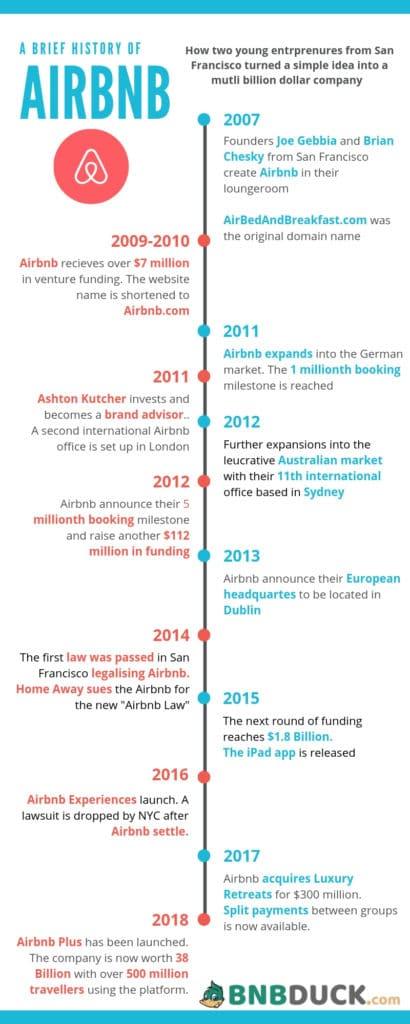
Image source: Bnb Duck
Frequently Asked Questions
It depends on the listing type you choose. If you book an "Entire Home," you will have the property to yourself. If you book a "Private Room," you will have your own bedroom but will likely share common spaces like the kitchen or living room with the host or other guests. Always check the "Property Type" filter to ensure you get the level of privacy you desire.
Not always. While Airbnb can be significantly cheaper for large groups or long-term stays (due to weekly/monthly discounts), a single night for one person can often be more expensive than a hotel once cleaning and service fees are added. It is a popular choice to compare the "Total Price" on Airbnb against hotel rates in the same area before making a final decision.
If a host cancels, Airbnb’s AirCover policy kicks in. The platform will typically help you find a similar or better home to rebook, or provide a full refund. If the cancellation happens within 30 days of check-in, Airbnb may also provide a credit to help cover the cost of a new booking, though this is handled on a case-by-case basis.
Only if the listing is marked as "Pet Friendly." You can use the search filters to find properties that allow pets. Note that many hosts charge an additional "pet fee" to cover the extra cleaning required. Service animals, however, are generally protected under Airbnb’s non-discrimination policy and must be accommodated in most jurisdictions.
The primary difference is that VRBO (Vacation Rentals by Owner) only lists entire homes, whereas Airbnb lists entire homes, private rooms, and even shared spaces. Airbnb also has a stronger presence in urban areas, while VRBO is often a top contender for traditional vacation destinations like beach towns or mountain resorts.
Key Takeaways for Using Airbnb
- Toggle "Total Price" to see the full cost including cleaning and service fees before you get attached to a listing.
- Prioritize "Guest Favorites" to ensure you are booking a property with a proven track record of cleanliness and reliability.
- Read the last 5 reviews to get a current sense of the property's condition and the host's responsiveness.
- Communicate only via the app to ensure you are protected by Airbnb’s safety and refund policies.
- Check the "Chore List" in the house rules to avoid unexpected tasks like laundry or trash removal on your checkout day.
- Verify the property type to ensure you aren't accidentally booking a private room when you wanted an entire home.
To get started, download the Airbnb app and use the "Guest Favorites" filter to find a highly-rated stay for your next trip.