Home
What You Should Expect When Attending the University of Oklahoma in Norman
A deep dive into the academic prestige, research dominance, and campus culture of Oklahoma's flagship institution.
How OU Compares to OSU and Other Oklahoma Universities
When searching for "okla univ," many prospective students find themselves weighing the differences between the state's major institutions. While the University of Oklahoma (OU) is the flagship research university, it exists within a diverse ecosystem of higher education that includes land-grant giants and specialized liberal arts colleges.
The primary distinction lies in the institutional mission. OU is traditionally viewed as the "comprehensive" flagship, with a heavy emphasis on the arts, sciences, medicine, and law. In contrast, Oklahoma State University (OSU) operates under a land-grant mission, which historically prioritizes agriculture, engineering, and veterinary medicine. According to Wikipedia , OU's Norman campus spans 3,000 acres and supports a massive research infrastructure that differs significantly from the smaller, more focused environments of schools like USAO.
Decision Framework: Which Oklahoma University Fits You?
| Institution | Primary Focus | Research Tier | Student Vibe |
|---|---|---|---|
| University of Oklahoma (OU) | Meteorology, Aviation, Medicine, Law | Carnegie R1 (Very High) | Large, SEC Sports, Suburban |
| Oklahoma State (OSU) | Agriculture, Engineering, Vet Med | Carnegie R1 (Very High) | Large, Land-grant, College Town |
| USAO | Interdisciplinary Liberal Arts | Teaching Focused | Small, Intimate, Creative |
| Oklahoma City Univ (OCU) | Performing Arts, Law, Nursing | Private/Professional | Urban, Specialized, Private |
For students seeking a large-scale experience with significant research opportunities, OU and OSU are the top contenders. However, OU's proximity to Oklahoma City and its specific dominance in atmospheric research often make it the preferred choice for students targeting global careers in science and policy.
Why OU is Considered the Global Capital for Radar Research
One of the most significant "information gains" for prospective STEM students is understanding OU's niche dominance. While many universities claim to be "research-heavy," the University of Oklahoma is widely regarded as a global leader in a very specific field: Radar Technology .
The Advanced Radar Research Center (ARRC) at OU is the largest academic radar program in the United States. This isn't just a local claim; the ARRC consistently wins international IEEE awards and secures massive federal contracts. For students, this means access to technology that is often years ahead of what is available at other regional institutions. The center focuses on everything from "phased array" radar for weather tracking to advanced microwave theory for national security.
This research excellence extends to the National Weather Center, located on the Norman campus. Because OU houses both the academic programs and the federal research labs (like the National Severe Storms Laboratory), students in Meteorology and Atmospheric Sciences are essentially at the "ground zero" of global weather prediction technology.
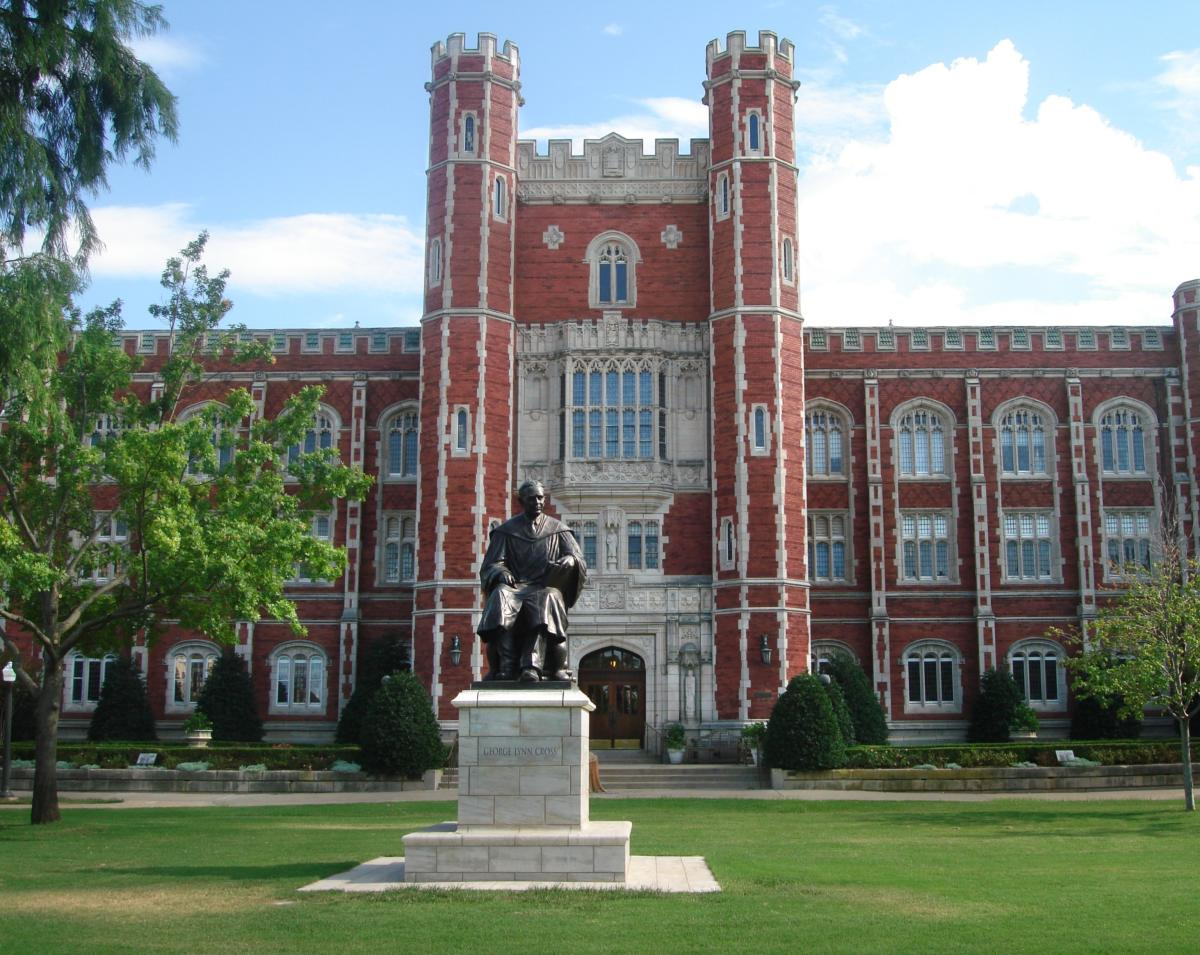
Image source: www.ou.edu
Understanding the Academic Prestige and Research Power of OU
The University of Oklahoma holds the prestigious Carnegie R1 designation, which signifies "Very High Research Activity." This is a status shared by only a small fraction of U.S. universities. However, there is often confusion regarding the university's actual research output due to conflicting data points.
The Research Expenditure Debate
Recent institutional reports from 2026 indicate that OU's research expenditures have climbed to over $470 million . This represents a significant jump from the $416 million figure reported in 2022. This growth is largely driven by increased NIH funding at the Oklahoma City Health Sciences Center and expanded defense contracts in Norman. According to official university data , the Health Sciences Center now ranks in the Top 100 of the Blue Ridge rankings for NIH funding, a metric that highlights the university's strength in biomedical research.
For an undergraduate, this R1 status isn't just a number. It translates to:
- Undergraduate Research Opportunities: Programs like the First-Year Research Experience (FYRE) allow freshmen to work in labs immediately.
- Faculty Quality: You are being taught by the people writing the textbooks and discovering the new technologies.
- Grant Funding: More money for labs, equipment, and student travel to conferences.
Navigating the Admissions Process and Current Entry Requirements
Gaining entry into the University of Oklahoma is a competitive but attainable goal for many students. According to the Princeton Review , the university maintains an acceptance rate of approximately 78%. While this may seem high, the profile of the incoming class remains academically rigorous.
Average HS GPA: 3.64
The university looks for a solid upward trend in grades and a challenging course load (AP/IB).
SAT Range: 1160–1310
ACT Range: 23–28
OU has historically offered test-optional pathways, but high scores remain beneficial for scholarships.
Geographic Reach: 45% Out-of-State
Students represent all 50 states and over 137 foreign countries, creating a cosmopolitan campus feel.
Admissions officers at OU emphasize a "holistic" review. This means they aren't just looking at your GPA. They value leadership in student organizations, community service, and the personal statement. For students applying to specialized programs like Aviation or the Honors College , the requirements are notably more stringent, often requiring additional interviews or portfolios.
What Does It Actually Cost to Attend the University of Oklahoma?
Understanding the "true cost" of attendance is vital for resolving the "okla univ" search intent. Tuition stickers can be misleading, so it is important to look at the total estimated cost of attendance (COA), which includes housing, dining, and fees.
- In-State Total Estimated Cost
- Approximately $26,000 per year. This includes tuition, mandatory fees, and average room and board in Norman.
- Out-of-State Total Estimated Cost
- Approximately $44,000 per year. While higher, OU is often more affordable for out-of-state students than flagships in California or the Northeast.
- The Endowment Factor
- OU's endowment reached $1.81 billion in FY2024. This massive fund supports thousands of scholarships, which can significantly lower the net price for qualified students.
Life as a Sooner: Campus Culture and Athletics
Attending OU is as much about the social experience as it is about the classroom. The university's transition to the Southeastern Conference (SEC) has fundamentally shifted the energy on campus. Game days in Norman are a massive cultural event, centered around the 86,000-seat Gaylord Family Oklahoma Memorial Stadium.
Beyond the 47 national championships, student life is defined by over 400 organizations. Whether it's the "Sooner Schooner" (the iconic Conestoga wagon mascot) circling the field or the quiet study sessions in the Great Reading Room of Bizzell Library, the "vibe" is a mix of traditional Southern hospitality and high-level academic ambition.
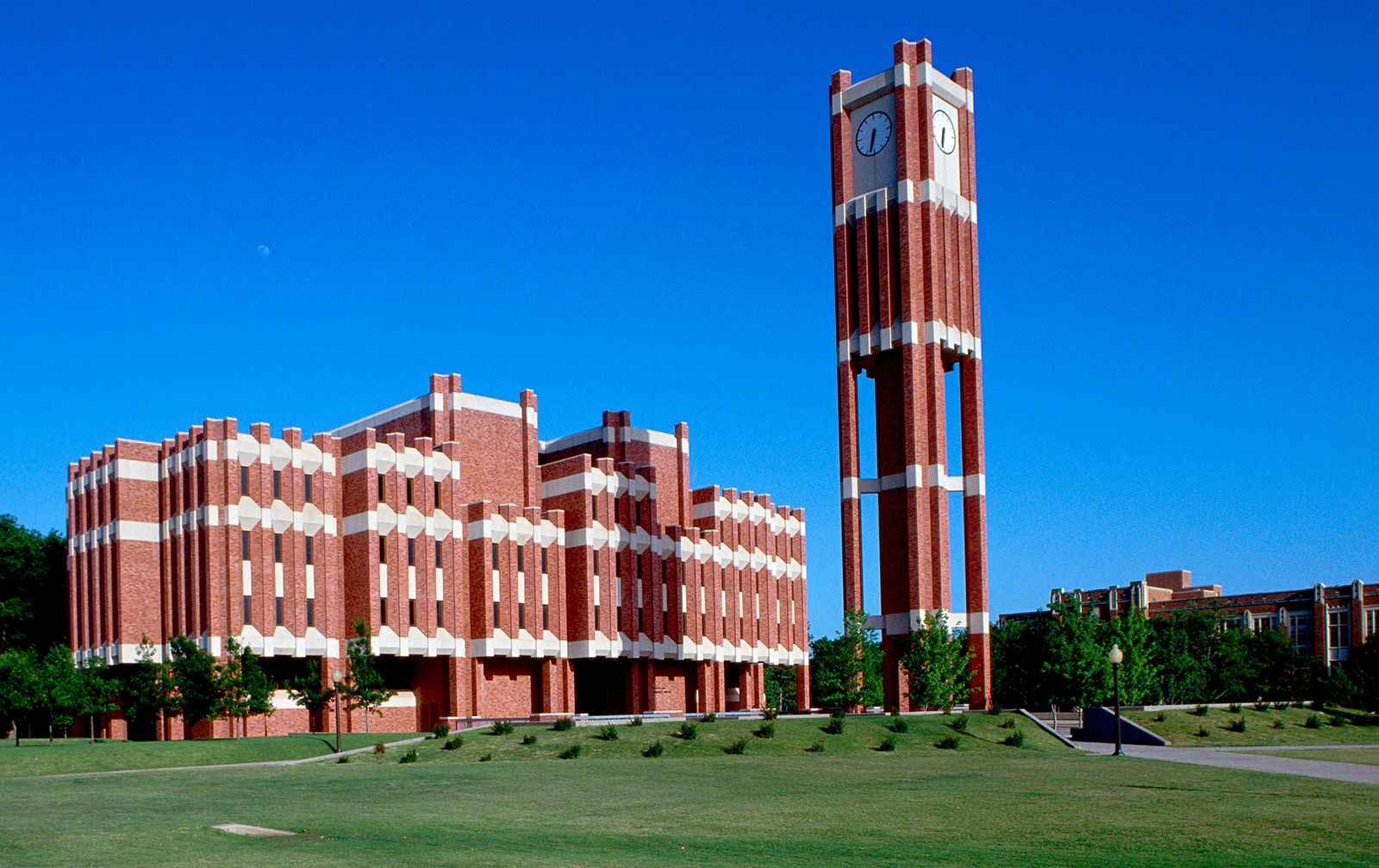
Image source: Britannica
The "Ivy Quality" Public Education Reputation
Many students choose OU because it offers what they describe as "Ivy League quality" within a public university setting. This is most evident in the Honors College , which provides small, seminar-style classes and a dedicated residential wing. Furthermore, OU's study abroad network is exceptionally strong, with permanent centers in Arezzo, Italy; Rio de Janeiro, Brazil; and Puebla, Mexico. Over 1,000 students study abroad annually in more than 125 countries.
Career Outcomes and Why OU is a Top Employer in the State
The value of an OU degree is reflected in its alumni network and its reputation among employers. The university has been recognized as a top-tier employer within the state of Oklahoma, ranking highly in Forbes' assessments for workplace satisfaction and professional development.
Notable alumni range from Heisman Trophy winners like Baker Mayfield to NASA astronauts like Shannon Lucid and media personalities like Olivia Munn. This breadth of success demonstrates that an OU education is versatile. The university's career services center maintains strong ties with the aerospace, energy, and healthcare industries, ensuring that graduates have a clear path into the workforce.
Frequently Asked Questions
Is the University of Oklahoma a "party school"?
What is the difference between OU and OSU?
How hard is it to get into the OU Aviation program?
Does OU offer online degrees?
What is the history of the "Sooner" nickname?
Key Takeaways for Prospective Students
Choosing a university is a major decision. Here are the essential points to remember about the University of Oklahoma:
- R1 Research Power: OU is a top-tier research hub, especially in Radar and Atmospheric Sciences.
- SEC Culture: The university offers a high-energy athletic and social environment.
- Academic Variety: With 170+ majors, it provides a comprehensive education from Aviation to Fine Arts.
- Global Reach: A massive study abroad network and a diverse student body from 137+ countries.
- Competitive Admissions: Aim for a 3.6+ GPA and strong extracurriculars for the best chance of entry.
- Financial Support: A $1.81 billion endowment helps provide significant scholarship opportunities.
If you are looking for a large-scale university that combines intense research opportunities with a legendary campus culture, the University of Oklahoma stands out as a top choice in the American Heartland.
Next Step: Schedule a campus tour in Norman to experience the "Sooner Magic" firsthand and meet with departmental advisors in your field of interest.