Home
Where to Find Great Picture Taking Spots Near You Right Now
The search for "picture taking spots near me" often leads to a mix of iconic landmarks and hidden urban gems. For those seeking historical grandeur, the San Antonio Missions offer diverse architectural vibes, while nature lovers in Austin frequently head to Bull Creek Park for its limestone cliffs. If you are looking for city views, secret spots like the Koehler parking lot provide elevated perspectives. Always verify permit requirements, as professional sessions often require a fee ranging from $50 to $100+.
Finding the right location for a photoshoot is about more than just a pretty background; it is about matching the environment to the story you want to tell. Whether you are a professional photographer scouting for a client or an enthusiast looking for the next addition to your social media feed, the "near me" search is your gateway to local discovery. From the sun-drenched stone of Texas missions to the gritty, neon-lit alleys of urban centers, the variety of available backdrops is vast.
In this guide, we explore a curated selection of locations across several regions, including San Antonio, Austin, and parts of Ohio, while providing the technical and logistical framework to help you find similar spots in your own backyard. We will dive into the nuances of lighting, the hidden costs of professional permits, and the safety precautions necessary when venturing off the beaten path.
Why Historical Missions and Cathedrals Are Photography Favorites
Historical architecture provides a sense of permanence and texture that modern buildings often lack. In regions like San Antonio, the Spanish colonial missions are widely considered among the top choices for portraiture and architectural photography. These sites offer a variety of "looks" within a single square mile, ranging from manicured gardens to weathered stone walls.
Choosing Between Mission San Jose and Mission San Juan
While both are part of the San Antonio Missions National Historical Park, they offer distinct visual identities. According to local photography experts, Mission San Jose is often referred to as the "Queen of the Missions" due to its grand, walled structure. It provides a sense of enclosure and scale that is excellent for wide-angle shots. However, because it is a popular tourist destination, capturing clean shots requires arriving exactly when the gates open.
In contrast, Mission San Juan Capistrano offers a more "gardeny" and natural feel. It is less imposing than San Jose but features beautiful greenery and softer textures. This makes it a premier option for family sessions or romantic portraits where a gentler background is desired. One technical tip for Mission San Juan: if the interior gates are closed, a zoom lens is essential to capture the detail of the bell tower from the perimeter parking area.
Capturing San Fernando Cathedral and The Alamo
The San Fernando Cathedral is a staple for urban photography, especially during the "Saga" light show in the evenings. To capture the architecture without the crowds, aim for the early morning hours when the limestone glows in the soft, directional light. The Alamo, while iconic, presents a challenge due to heavy foot traffic. Photographers often find success by focusing on the side gardens or using the stone arches of the nearby Paseo del Alamo to frame the main chapel from a distance, effectively blurring out the tourists in the foreground.
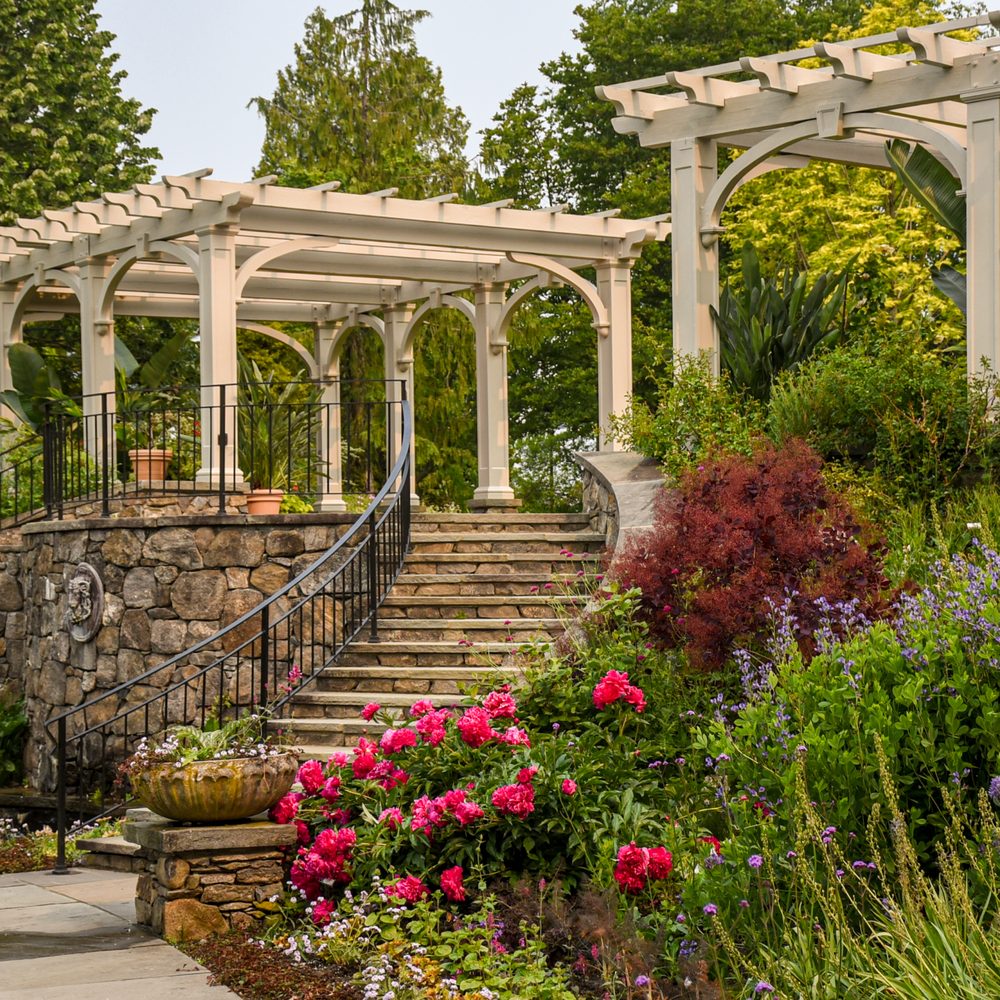
Image source: Yelp
Capturing the Natural Beauty of Local Parks and Creeks
Nature photography requires a different set of logistical considerations, primarily regarding terrain and lighting. Public parks are often the most accessible "picture taking spots near me," but the quality of the light can vary wildly depending on the tree canopy and the time of day.
Exploring Bull Creek Park and Brushy Creek in Austin
For those in the Austin area, Bull Creek District Park stands out as a top-tier location for its limestone cliffs and flowing water. The white stone acts as a natural reflector, bouncing light back onto subjects and creating a bright, airy look even on slightly overcast days. However, photographers should be aware of the physical hazards; the limestone can be incredibly slippery when wet, making it a potential trip hazard for toddlers or seniors.
Brushy Creek Lake Park is another favorite, particularly for its open green spaces and water views. As noted by photographer Noelle Westcott , the park is a popular hub for family sessions. A key logistical tip for this location is to arrive at least 15 minutes early. The walk from the main parking lot to the best water-view spots is roughly the length of a football field, and you will want time to "claim" your preferred area before other groups arrive.
Using Sculptures as Frames at Pyramid Hill in Ohio
In Hamilton, Ohio, the Pyramid Hill Sculpture Park offers a unique intersection of art and nature. Spanning 470 acres, the park features over 60 large-scale sculptures. These pieces serve as excellent framing devices or focal points. The sheer scale of the park means you can find secluded spots even on busy weekends. When shooting here, consider the "layering" technique—placing a portion of a sculpture in the extreme foreground to create a sense of depth and scale against the rolling hills of the background.
How to Capture Stunning City Views from Unexpected Rooftops
Urban photography often suffers from "street-level clutter"—cars, trash cans, and power lines that distract from the subject. Getting above the street is a significant advancement for your composition. Many of the most acclaimed city views are found in locations that aren't officially labeled as "observation decks."
Finding the Koehler Parking Lot View at The Pearl
In San Antonio’s Pearl District, the Koehler parking lot is a well-kept secret among local pros. By taking the elevator to the 5th floor, you gain an unobstructed view of the Hotel Emma and the surrounding skyline. This spot is particularly effective during the "Golden Hour" (the hour before sunset), as the sun sets directly behind the hotel’s iconic industrial architecture. Because it is a parking garage, you have the added benefit of a flat, stable surface for tripod work, which is helpful for long-exposure night shots.
Utilizing the Downtown Whataburger Rooftop Hack
Another "insider" location is the parking garage located above the downtown Whataburger in San Antonio. Heading to the 8th floor provides a unique perspective of the city's skyscrapers. This location is often empty, allowing for more creative freedom without the pressure of crowds. However, always remain aware of your surroundings in parking structures and ensure you are not obstructing vehicle traffic.
To make your urban photos stand out, look for "layers." For example, at the Omni La Mansion del Rio, try shooting through the wrought iron railings or hanging ivy. This creates a foreground, middle ground, and background, which is a hallmark of professional-grade composition.
Finding Industrial and Gritty Backdrops for Urban Shoots
Not every photoshoot requires a manicured garden. For fashion, senior portraits, or "street style" content, an industrial or gritty aesthetic can be much more impactful. These spots are often found in the transition zones between downtown hubs and residential neighborhoods.
Neon Signs and Textures at Alamo Music Center
The alleyway near the Alamo Music Center is a premier example of an industrial nook. It features a combination of vintage neon signs, exposed brick, and electric meters. This "cyberpunk" aesthetic is highly sought after for its high-contrast lighting and rich textures. When shooting in alleys, a wide-aperture lens (like a 35mm or 50mm f/1.8) is recommended to blur out any unsightly trash or debris while keeping the focus sharp on the subject and the glowing signs.
Graffiti Walls and Hidden Cul-de-Sacs
While the famous Essex Modern City murals have faced access restrictions in recent years, the Hoefgen Street graffiti wall remains a reliable backup for those seeking vibrant street art. For a completely different vibe, the cul-de-sac at the end of Schreiner Place (near the Landa Library) offers a "Hill Country" meadow look right in the middle of the city. This is a top choice for those who want the look of a rural field without the hour-long drive out of town.
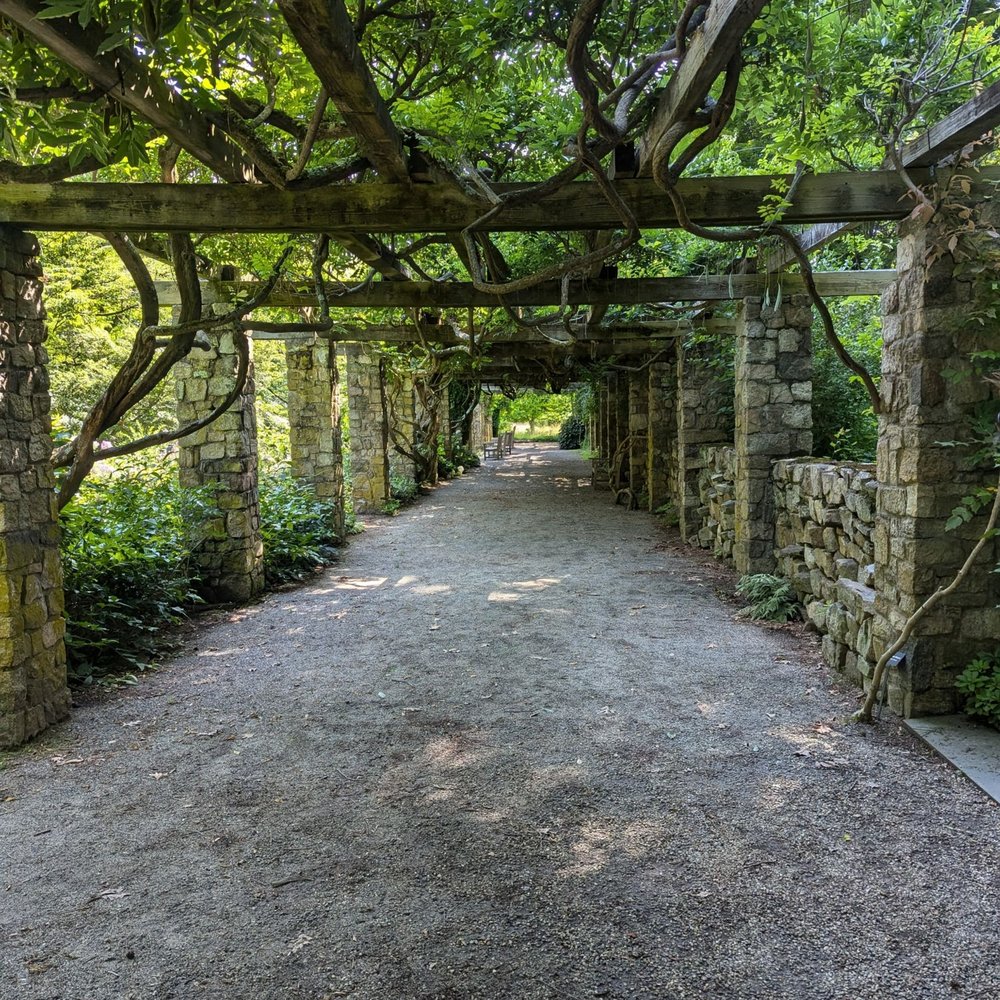
Image source: Yelp
What You Need to Know About Permits and Fees Before You Go
One of the most common pitfalls for photographers is arriving at a "public" location only to be asked for a permit. The rules regarding photography are often split into two categories: amateur (phone/hobbyist) and professional (hired/commercial).
- The "Phone vs. Professional" Rule
- Most public parks and historical sites allow free photography if you are using a smartphone or a small camera for personal use. However, if you have a professional setup (tripods, lighting modifiers, or a hired client), you are often required to have a permit. Sites like the McNay Art Museum or the San Antonio Missions frequently require a pre-arranged fee, often starting at $100 per session.
- Group Size Surcharges
- As noted by Melody Celeste , some locations charge per person for larger groups. For example, a location might be free for a couple but charge $10 per head for groups larger than six. This is common at private gardens and historical estates.
- Commercial Insurance
- For high-end commercial shoots, some venues require proof of liability insurance. Always check the "Photography Policy" page on a venue's website at least 48 hours before your scheduled shoot to avoid being turned away.
Staying Safe While Scouting for the Perfect Shot
Safety is a rarely discussed but vital component of location scouting. Whether it is the risk of property crime or physical hazards, being prepared ensures your shoot doesn't end in a disaster.
Locations like Bull Creek Park in Austin have a documented history of car break-ins. Thieves often target photographers because they know expensive gear might be left in the trunk. Never leave valuables in your car. Some locals even suggest leaving your windows slightly cracked or the glove box open to show there is nothing worth stealing, though the safest bet is to carry all gear with you.
Physical hazards are also a concern. The Majestic Theatre marquee is a classic San Antonio shot, but it requires standing near a busy intersection. Always use a spotter to watch for traffic while you are looking through the viewfinder. Similarly, nature spots like the River Walk have uneven stone paths and low-hanging branches that can be dangerous if you are walking while looking at your camera screen.
Planning for Accessibility and Crowds
If you are shooting with a client who has mobility challenges, or if you are working with small children, accessibility is a priority. The Landa Library is widely regarded as one of the top choices for accessibility. It features flat, paved paths, minimal walking distances between "looks," and easy access to restrooms—a luxury in the world of outdoor photography.
To beat the crowds, the "Golden Hour" is your best friend, but not just for the light. Arriving 30 minutes before sunrise often allows you to capture iconic spots like the Japanese Tea Garden in total solitude. By the time the general public arrives at 10:00 AM, the light has become "harsh" (creating deep shadows under the eyes), and the background will be cluttered with other visitors.
| Location Name | Vibe | Permit Required? | Accessibility |
|---|---|---|---|
| Mission San Jose | Historical/Grand | Yes (Professional) | Medium |
| Bull Creek Park | Nature/Water | No | Low (Slippery) |
| The Pearl (Rooftop) | Urban/Skyline | No | High (Elevator) |
| Landa Library | Garden/Classic | Yes (Professional) | High |
| Pyramid Hill (OH) | Art/Nature | Yes (Entry Fee) | Medium |
Which Lenses to Pack for Different Local Landscapes
Your choice of glass can make or break a location. A spot that looks mediocre on a phone might look incredible through a specialized lens. For "picture taking spots near me" that involve wide vistas, a wide-angle lens (16mm to 24mm) is standard. However, for urban environments, a prime lens with a wide aperture (f/1.4 or f/1.8) is often a better choice to isolate your subject from the busy background.
As mentioned earlier, a zoom lens (70-200mm) is a "hack" for restricted-access sites. It allows you to compress the background, making distant landmarks like the Tower of the Americas appear much larger and closer to your subject than they actually are. This "lens compression" is a hallmark of high-end travel photography.
How to Fix Common Lighting and Background Issues
Even the most beautiful spots can present technical challenges. Low-light environments, such as the River Walk at night, often result in "blotchy" or noisy backgrounds. This is a common issue where the camera struggles to resolve detail in dark areas, leading to medium-scale noise.
A significant advancement in solving this is focusing on the Signal-to-Noise Ratio (SNR) . According to technical discussions on the PixInsight Forum , increasing your exposure time or taking multiple frames to "stack" in post-processing can drastically smooth out these blotchy areas. For those using mobile devices, using "Night Mode" essentially performs this stacking automatically. In post-processing, techniques like Morphological Transformation can help smooth out noise without losing the sharp edges of your subject.
Where to Find Spring Tulips and Year-Round Wildflowers
Seasonal spots offer a limited window for unique content. In Mt. Pleasant, Texas, Moody Blooms is a dedicated tulip farm that draws photographers from across the state during the spring. Because the bloom window is short, following their social media for "bloom alerts" is essential.
For a year-round option, Wildseed Farms in Fredericksburg provides a consistent supply of floral textures and natural colors. Even when the main fields aren't in peak bloom, their trial gardens and greenhouse areas offer excellent close-up opportunities for "macro" photography. When shooting flowers, try to shoot from a low angle—getting the camera down to the level of the blooms creates a much more immersive and professional-looking shot than shooting from standing height.
Finding Murals and Street Art in Your Area
Murals are the ultimate "low-effort, high-reward" photo spots. They provide a ready-made color palette and a clear focal point. In Middletown, Ohio, the "New Discoveries" Walking Mural Tour is a one-mile stretch featuring 14 distinct murals. This is an excellent way to get a variety of content in a single afternoon.
When shooting at murals, pay attention to the "shadow line." If a mural is partially in the sun and partially in the shade, it will be nearly impossible to get a balanced exposure. The best time for mural photography is usually an hour after sunrise or an hour before sunset when the entire wall is in even, soft shadow. This allows the colors of the paint to "pop" without being washed out by direct sunlight.
Image source: Grand Rapids Kids
Key Takeaways for Your Next Photoshoot
- Verify Permits Early: Check the photography policy of any venue at least 48 hours in advance to avoid fees or being turned away.
- Prioritize the Golden Hour: Aim to shoot during the hour before sunset or the hour after sunrise for the most flattering, soft light.
- Secure Your Gear: Especially in nature parks like Bull Creek, never leave equipment in your vehicle.
- Pack the Right Glass: Use a zoom lens for restricted historical sites and a wide-aperture prime for busy urban alleys.
- Scout for Accessibility: If mobility is a concern, choose locations like Landa Library that offer paved paths and nearby amenities.
- Watch the Shadows: For mural and architectural shots, ensure the entire structure is in even light to avoid exposure issues.
- Use Elevated Vantage Points: Utilize parking garages and rooftops to escape street-level clutter and capture unique city views.
Before you head out, double-check your camera batteries and clear your memory cards so you are ready to capture the perfect shot the moment the light hits.
Frequently Asked Questions
Do I need a permit to take professional photos in city parks?
In most cities, public parks are free for casual snapshots and "hobbyist" photography. However, if you are a professional photographer with a paid client, many municipalities require a commercial permit. These permits help fund park maintenance and ensure that professional shoots don't interfere with public enjoyment. Fees typically range from $50 to $150 depending on the city and the duration of the shoot.
What are the best free photo spots near me?
Public parks, historic districts, and street murals are generally the top-rated free options. In San Antonio, the Missions (excluding professional sessions) and the Pearl District are excellent choices. In Austin, Bull Creek Park offers stunning natural backdrops at no cost. Always remember that while the location may be free, parking in downtown areas often requires a small fee.
Where can I take photos indoors when it rains?
Museum lobbies, historic libraries like the Landa Library, and hotel atriums are excellent rainy-day backups. Some shopping centers with unique architecture, like the Shops at Rivercenter, also provide shelter while maintaining an interesting visual aesthetic. Be sure to call ahead, as indoor locations often have stricter tripod and flash photography rules than outdoor spaces.
What is the best time of day to take pictures at the River Walk?
The early morning (6:30 AM to 8:30 AM) is widely regarded as the premier time for the River Walk. This window allows you to avoid the heavy tourist crowds and capture the water when it is calm and reflective. If you prefer a more vibrant, energetic look, the "Blue Hour" (just after sunset) provides a beautiful contrast between the deep blue sky and the warm glow of the riverside restaurant lights.
Are there any dog-friendly photoshoot locations nearby?
Most public parks, including Brushy Creek and Bull Creek, are dog-friendly, provided your pet remains on a leash. Many urban mural alleys are also great for pet photography. However, historical sites like the interior of the Alamo or certain botanical gardens often have strict "no pets" policies. Always check the specific rules of the venue before bringing your furry friend along for the shoot.
All trademarks, copyrighted content, and quoted material referenced in this article belong to their respective owners. Brief excerpts are used under fair use (17 U.S.C. § 107) for purposes of commentary, criticism, and informational reporting. This article is not affiliated with or endorsed by the City of San Antonio, the National Park Service, or any mentioned private venues.