Home
Where to Find the Cheapest Gas in Los Angeles Today
As of late August 2026, LA gas prices average between $5.17 and $5.69 per gallon for regular unleaded. Following a 17-cent overnight jump triggered by geopolitical shifts in the Middle East, drivers should prioritize independent chains like Berri Brothers or United Oil, which currently offer the most competitive rates in the basin.
What Is the Average Price of Gas in Los Angeles Right Now?
Navigating the fuel market in Los Angeles County requires a keen eye for regional variance. According to recent AAA Gas Prices data , the average cost for a gallon of regular unleaded has stabilized in the mid-$5 range, though this figure masks significant hyper-local volatility. While the national average sits near $4.10, Angelenos continue to pay a premium of $1.00 to $1.50 per gallon due to California's unique environmental regulations and tax structures.
| Fuel Grade | LA Average | Yesterday | 2022 Record |
|---|---|---|---|
| Regular | $5.43 | $5.26 | $6.16 |
| Plus | $5.68 | $5.51 | $6.39 |
| Premium | $5.89 | $5.72 | $6.60 |
| Diesel | $5.95 | $5.90 | $6.99 |
The regional breakdown reveals a stark contrast between coastal and inland prices. In Santa Monica and West Hollywood, prices frequently exceed the county average by 40 cents or more. Conversely, the San Fernando Valley and parts of Long Beach often serve as "low-price anchors," providing much-needed relief for commuters. This gap is largely driven by real estate overhead; stations in high-rent districts must pass those costs to the consumer, regardless of the wholesale price of crude oil.
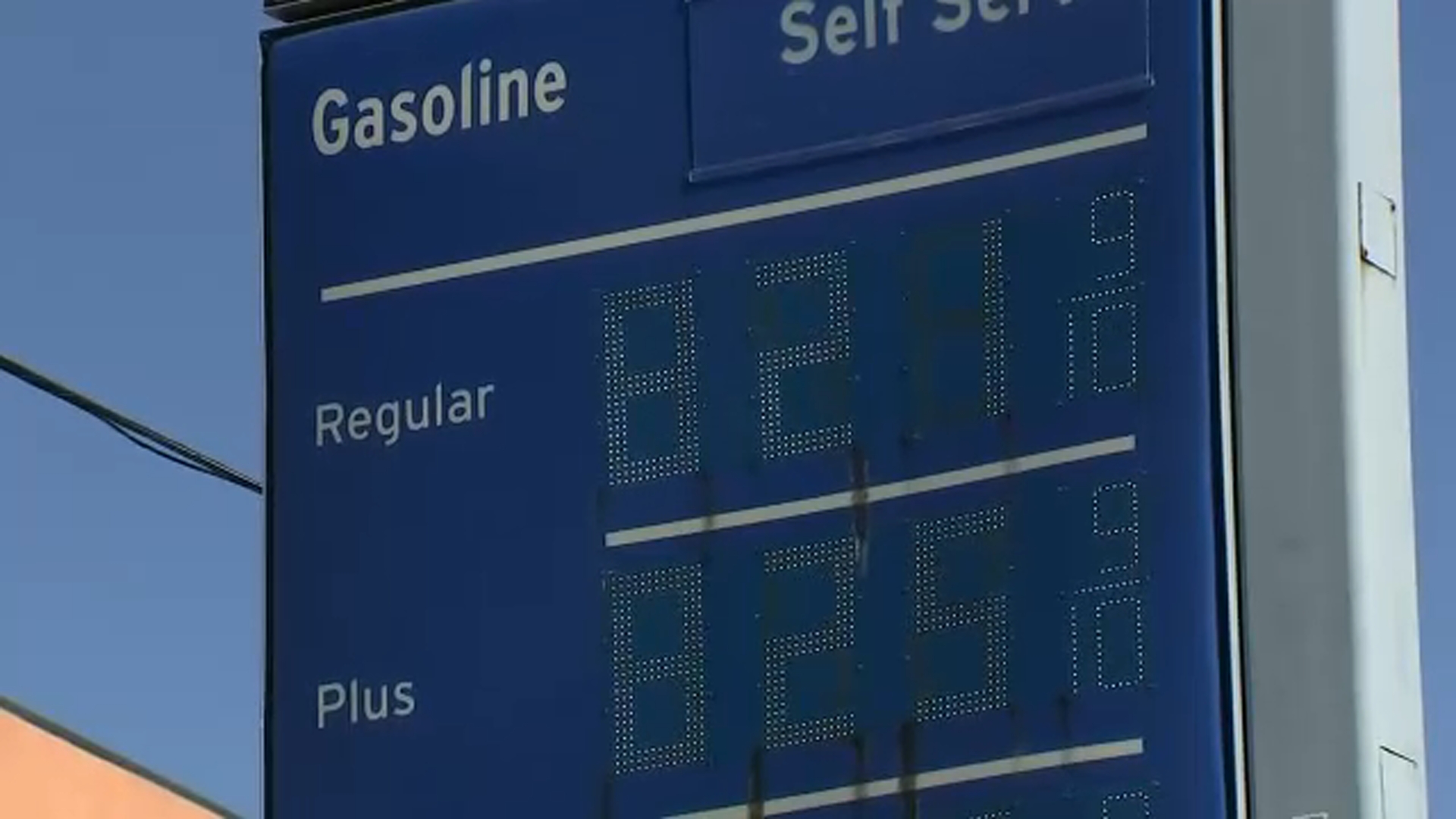
Image source: ABC7
Why Are Gas Prices Spiking Across Southern California?
The primary catalyst for the current volatility is the ongoing conflict in Iran, which began in February 2026. This geopolitical instability has pushed Brent crude oil prices above the $100-per-barrel threshold, a psychological and economic barrier that historically leads to rapid pump increases. According to Forbes Advisor analysis , the global supply chain remains sensitive to any disruption in the Strait of Hormuz, which handles a significant portion of the world's petroleum traffic.
The 17-Cent Overnight Jump
In mid-August 2026, Los Angeles drivers witnessed a jarring 17-cent increase in a single 24-hour period. This spike followed joint military actions in the Middle East, causing immediate panic in the futures market. While the physical supply of gasoline in California refineries remained stable, the "fear premium" added by traders was passed down to local stations almost instantly. This highlights a recurring frustration for LA residents: prices rise like a rocket but fall like a feather.
Seasonal Blend Transitions
Beyond global warfare, California's strict environmental standards play a role. During the summer months, the state mandates a specific "summer blend" of gasoline designed to reduce smog. This blend is more expensive to produce and has fewer suppliers than the winter version. As we move through late August, refineries are still operating on this high-cost inventory, keeping prices elevated even when crude prices show temporary dips.
How to Find the Cheapest Gas Stations in the LA Basin
Finding affordable fuel in Los Angeles is less about luck and more about strategy. While many drivers default to big-box retailers like Costco or Sam's Club, these locations often suffer from long wait times that can negate the savings in idling fuel. Instead, savvy Angelenos are turning to independent chains that consistently rank among the top choices for value.
With 12 locations across Southern California, this independent chain is widely regarded as a price leader, often undercutting major brands by $0.40 per gallon.
Known for their distinctive architecture and competitive pricing, United Oil stations frequently offer some of the strongest value in the San Fernando Valley.
While they charge a debit fee, their cash prices remain a top-tier option for those looking to save on a full tank refill.
Neighborhood selection is equally critical. Data from GasBuddy shows that Westminster, Inglewood, and Exposition Park are consistent "low-price leaders." In these areas, high competition between independent stations forces prices down. Interestingly, stations located near high-traffic interstates like the 405 or I-5 can sometimes offer lower prices than neighborhood stations; their high sales volume allows them to secure better wholesale rates, debunking the myth that highway gas is always a rip-off.
The 80-Cent Delivery Timing Strategy for Smarter Refills
One of the most effective ways to save money is understanding "Inventory Lag." Patrick De Haan, a lead analyst at GasBuddy, has noted that there can be an 80-cent price difference between two stations on the same block simply based on when their last fuel truck arrived. This creates a window of opportunity for drivers who know how to read the market.
When to Buy Immediately
During a price spike—like the current trend in late 2026—your goal is to find a station that is still selling "old" inventory. If news breaks of a refinery fire or a geopolitical escalation, the major chains will raise prices within hours. However, smaller independent stations that haven't received a new delivery yet may keep their lower rates for another 24 to 48 hours. If you see a station that is 20 cents cheaper than its neighbor, it likely hasn't updated its price to reflect the new wholesale cost.
When to Wait
Conversely, when market prices are dropping, you should look for stations that just received a fresh delivery. These stations will be the first to lower their prices to attract customers, while others will try to maintain higher margins until their expensive "old" inventory is depleted. Monitoring local price apps during these transitions can save you $10 or more on a single fill-up.
How to Avoid the $8.00 Per Gallon Price Traps in DTLA
Los Angeles is home to some of the most expensive gas stations in the United States. The Chevron station in Downtown LA (DTLA) near Alameda Street has become infamous for prices reaching as high as $8.21 per gallon. While these prices seem predatory, they are often the result of extreme overhead costs and a "convenience premium" targeted at corporate fleets and tourists who aren't price-sensitive.
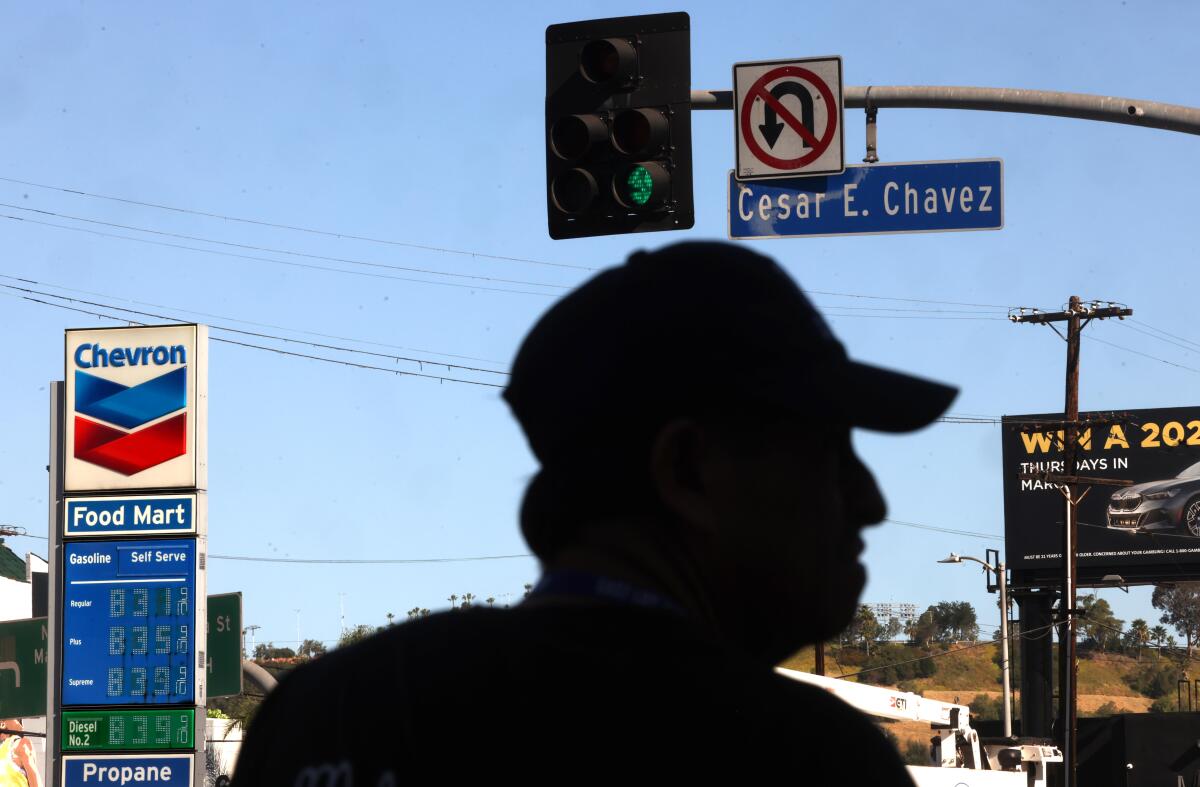
Image source: LA Times
The "3-Mile Savings Gap" is a phenomenon unique to the LA urban core. A driver can leave a $8.00 station in DTLA and, within a three-mile drive to Exposition Park, find gas for $4.50 to $5.00. This $3.00+ per gallon difference is one of the largest geographic price spreads in the country. Experts from the LA Times suggest that these "outlier" stations rely on drivers who are either unfamiliar with the area or are using company credit cards where the price is secondary to the location.
Maintenance Math That Actually Saves You Money at the Pump
When gas prices are high, your car's efficiency becomes your most valuable asset. Small mechanical adjustments can lead to significant "efficiency credits" that effectively lower your cost per mile. By treating your vehicle as a precision instrument, you can mitigate the impact of the 2026 price surge.
- The 10% Tire Rule: Under-inflated tires increase rolling resistance. Ensuring your tires are at the manufacturer's recommended PSI can improve fuel economy by up to 10%, which is equivalent to saving $0.50 per gallon at current rates.
- Air Filter ROI: A clogged air filter forces the engine to work harder, consuming more fuel. A $20 replacement filter can pay for itself in just three tankfuls when gas is over $5.50.
- Speed vs. Savings: Data shows that fuel efficiency drops significantly at speeds over 65 MPH. By slowing down on the 405 or I-5, drivers can improve their MPG by 25-35%, a massive saving during a supply crisis.
- Weight Reduction: Carrying an extra 100 pounds in your trunk can reduce your MPG by 1-2%. Cleaning out unnecessary gear is a free way to boost your range.
How the 2026 Gas Crisis Is Changing Life in Los Angeles
The economic pressure of $5.50+ gas is reshaping the social fabric of Southern California. For the gig economy, the situation has reached a breaking point. Uber and DoorDash drivers in the r/AskLosAngeles community report that their fuel expenses now rival their take-home earnings, leading many to leave the platforms entirely. This has resulted in longer wait times for rides and deliveries across the city.
Small businesses are also feeling the squeeze. LA’s iconic food truck culture, which relies on low-MPG vehicles to traverse the vast basin, is facing unmanageable costs. Some owners have reported that a 25-mile commute to a popular lunch spot now costs $40 in fuel alone, forcing them to raise menu prices or limit their service areas. Furthermore, a "May Day" spending strike has emerged among some residents, who are cutting all discretionary trips—such as weekend "donut runs" or beach trips—to preserve their fuel for essential work commutes.
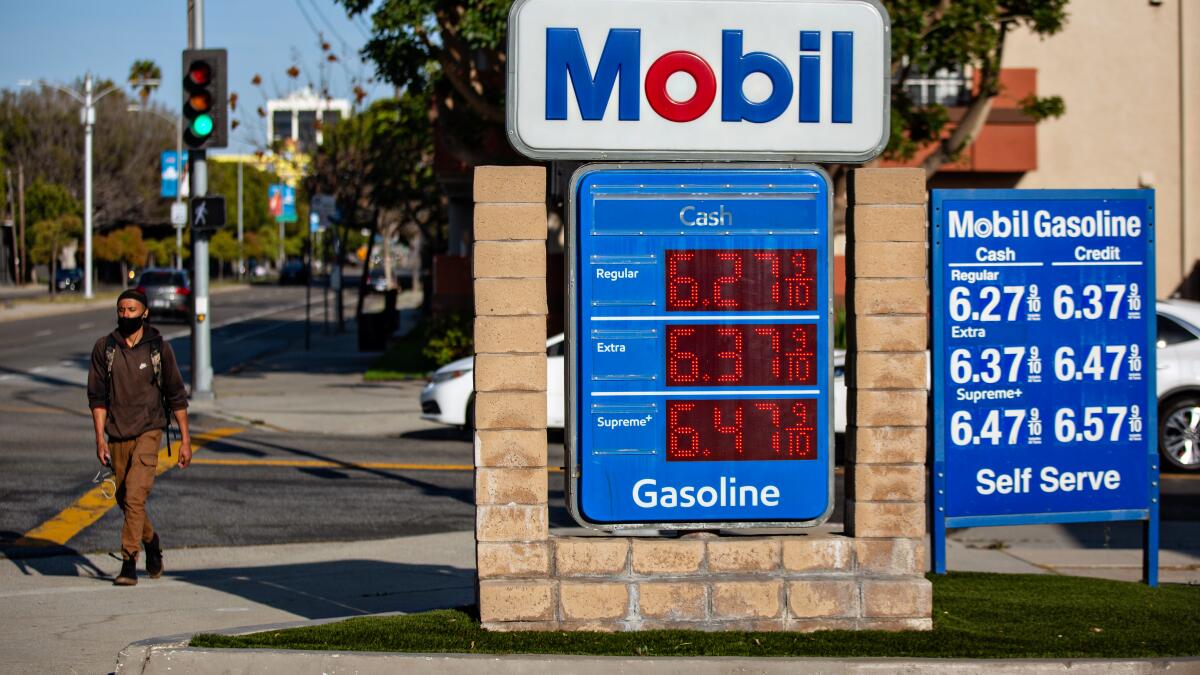
Image source: LA Times
Frequently Asked Questions
- Why is gas so much more expensive in LA than in Orange County?
- The price gap between LA and Orange County is primarily driven by local taxes and refinery proximity. LA County has additional local sales taxes that OC lacks. Furthermore, while both regions are served by the same refineries in Torrance and El Segundo, the higher cost of real estate and labor in LA proper forces station owners to maintain higher margins.
- What is the cheapest day of the week to buy gas in LA?
- Historically, Sunday and Monday have been the cheapest days to refuel. However, during the 2026 Iran war crisis, daily market volatility has largely overridden these weekly trends. In a high-volatility environment, it is better to buy when you see a station with "old" inventory rather than waiting for a specific day of the week.
- Does Costco gas really save you money in the long run?
- Costco typically offers savings of $0.30 to $0.50 per gallon. For a driver with a 15-gallon tank who fills up weekly, this equates to roughly $300 in annual savings. Even after the membership fee, most LA drivers find it to be a strong value, provided they don't spend more than 15 minutes idling in line, which wastes fuel.
- Is the $8.21 gas in DTLA a scam or legal?
- It is legal. California does not have specific "price gouging" laws for gas stations unless a formal state of emergency is declared by the Governor. Station owners are generally free to set their own prices based on their overhead and what the market will bear. The $8.21 price is considered a "convenience premium" for that specific high-rent location.
- How much of the LA gas price is actually taxes?
- As of 2026, California drivers pay approximately $0.60 per gallon in state excise tax, plus federal taxes, local sales taxes, and fees related to the Low Carbon Fuel Standard (LCFS). In total, taxes and regulatory fees account for roughly $1.20 to $1.30 of every gallon you purchase at an LA pump.
The Bottom Line on Navigating LA Gas Prices
The 2026 gas crisis in Los Angeles is a complex intersection of global warfare, local taxes, and neighborhood economics. While the $5.17–$5.69 average is daunting, drivers are not powerless against these rising costs.
- Prioritize independent chains like Berri Brothers and United Oil to find the most competitive rates.
- Monitor delivery timing to catch stations selling "old" inventory during price spikes.
- Avoid DTLA and West Hollywood "tourist trap" stations where prices can be $3.00 higher than neighboring areas.
- Optimize vehicle maintenance by checking tire pressure and air filters to boost MPG by up to 10%.
- Utilize cash prices at ARCO and other stations to bypass credit card processing fees.
- Track the Iran war impact through reliable news sources to anticipate sudden overnight jumps.
For the most immediate savings, check a real-time price app before your next commute and consider driving three miles out of your way to avoid high-rent district premiums.