Home
How Commercial Development Projects Are Planned Built and Managed Today
Commercial development is the process of creating income-producing buildings—such as offices, retail centers, and industrial hubs—on private land. Unlike residential projects, the primary goal is long-term lease revenue rather than immediate sale. Today, the industry is shifting toward adaptive reuse of vacant offices and AI-driven site selection to mitigate risks in a volatile market.
Defining Modern Commercial Development
In the current real estate landscape, commercial development is defined as the multifaceted process of acquiring land, securing entitlements, and constructing buildings intended for business use. According to Law Insider , this category excludes heavy industrial manufacturing and standard residential housing, focusing instead on assets that generate recurring income.
The legal nuance of this definition is broader than many realize. It often encompasses specialized facilities such as plant nurseries, car washes, and even private educational institutions. The common thread is the income-producing factor . While a residential developer might build a subdivision to sell individual homes, a commercial developer builds a shopping center or medical office to lease space to tenants over decades.
The Legal and Financial Scope
Commercial projects are governed by specific zoning ordinances that dictate everything from parking ratios to floor-area ratios (FAR). Because these projects impact local infrastructure—such as traffic patterns and utility loads—they undergo more rigorous public scrutiny than small-scale residential builds. Developers must balance the needs of the community with the financial requirements of institutional investors who often provide the capital for these multi-million dollar ventures.
How Commercial Development Differ from Residential Projects
The distinction between commercial and residential development lies primarily in the regulatory environment and the end-user relationship. Commercial projects typically face stricter zoning requirements but may benefit from "flexible regulatory environments" in forward-thinking municipalities. For example, Arlington Economic Development highlights how local initiatives can streamline the repurposing of aging assets to maintain market vibrancy.
Zoning & Regulation
Commercial projects require specific "C" or "M" zoning. Developers often spend years in the "entitlement phase," negotiating with local boards to ensure the project meets municipal master plans.
Lease Structures
Residential leases are usually 12 months. Commercial leases (Triple Net or NNN) often span 5 to 20 years, with tenants covering taxes, insurance, and maintenance.
Capital Intensity
Commercial builds require significantly higher upfront capital and specialized construction teams capable of handling complex HVAC, elevator, and security systems.
The Seller-Doer Professional Model
A common point of confusion exists between "Business Development" and "Commercial Development." In many high-growth firms, senior professionals operate under a Seller-Doer model . As noted by Indeed , these individuals are responsible for both acquiring new business (selling the firm's services) and executing the physical project (doing the development work). This dual role ensures that the person who understands the client's vision is the one overseeing the construction and delivery of the asset.
Primary Categories of Commercial Property
The industry generally recognizes five core categories of commercial real estate. Each requires a different development strategy and carries unique risk profiles.
- Office Space
- Ranging from urban skyscrapers to suburban medical suites. Modern office development focuses on "flight to quality," emphasizing amenities that encourage employees to return to physical workspaces.
- Retail and "Med-tail"
- Traditional malls are evolving into mixed-use centers. A significant trend is "med-tail," where healthcare providers lease space in retail strips to increase patient accessibility.
- Industrial (Light vs. Heavy)
- Light industrial includes logistics hubs and "last-mile" delivery centers. Heavy industrial involves manufacturing and is often classified separately due to environmental impacts.
- Hospitality
- Hotels and resorts. This sector is highly sensitive to consumer travel trends and requires specialized management partners.
- Mixed-Use
- The integration of retail, office, and residential in a single footprint. This is widely considered one of the most resilient property types in urban infill projects.
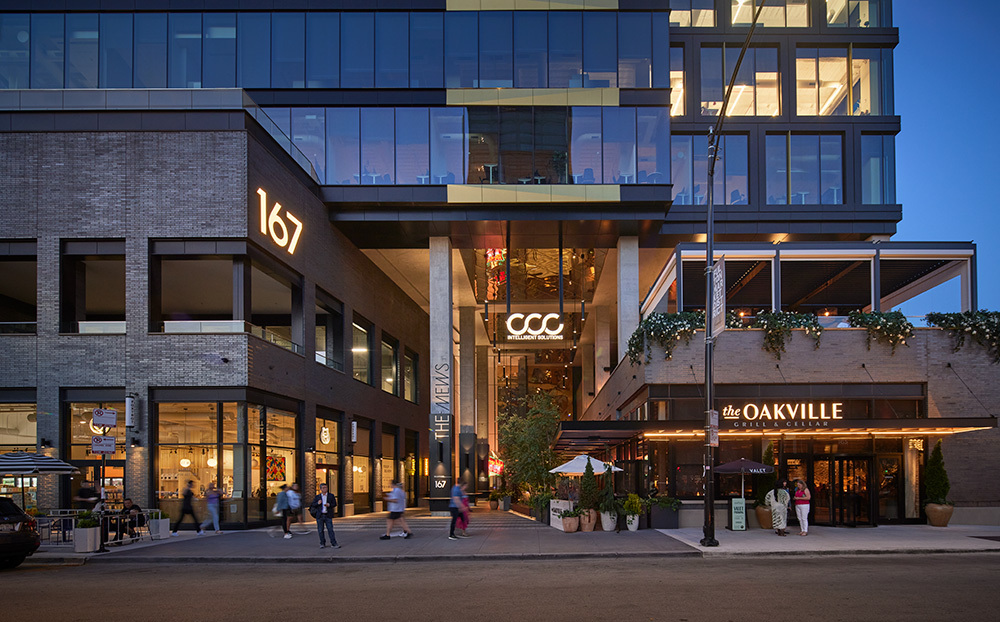
Image source: Focus Development
The Step-by-Step Commercial Development Process
The lifecycle of a commercial project is a multi-year journey that begins long before the first shovel hits the ground. Modern developers now rely on PropTech to reduce the margin of error in these high-stakes investments.
Stage 1: AI-Driven Site Selection
Historically, developers relied on manual traffic counts and basic demographic data. Today, firms use predictive modeling to estimate market needs five to ten years into the future. By analyzing local spending patterns and mobile device foot traffic data, developers can identify "underserved" pockets for retail or medical services with high precision.
Stage 2: Due Diligence and Site Investigation Reports (SIR)
Before closing on a land purchase, a developer must conduct a Site Investigation Report. According to SimonCRE , this includes verifying utility capacities (water, sewer, power), checking for environmental contaminants, and ensuring the soil can support the intended structure. Missing a single detail in the SIR can lead to millions in unforeseen costs.
Stage 3: Financing and Construction
Commercial financing is complex, often involving a mix of senior debt, mezzanine financing, and private equity. Once funded, construction begins, increasingly utilizing Building Information Modeling (BIM) . BIM creates a digital twin of the building, allowing contractors to identify "clashes" in plumbing or electrical lines before they are physically installed, significantly reducing waste.
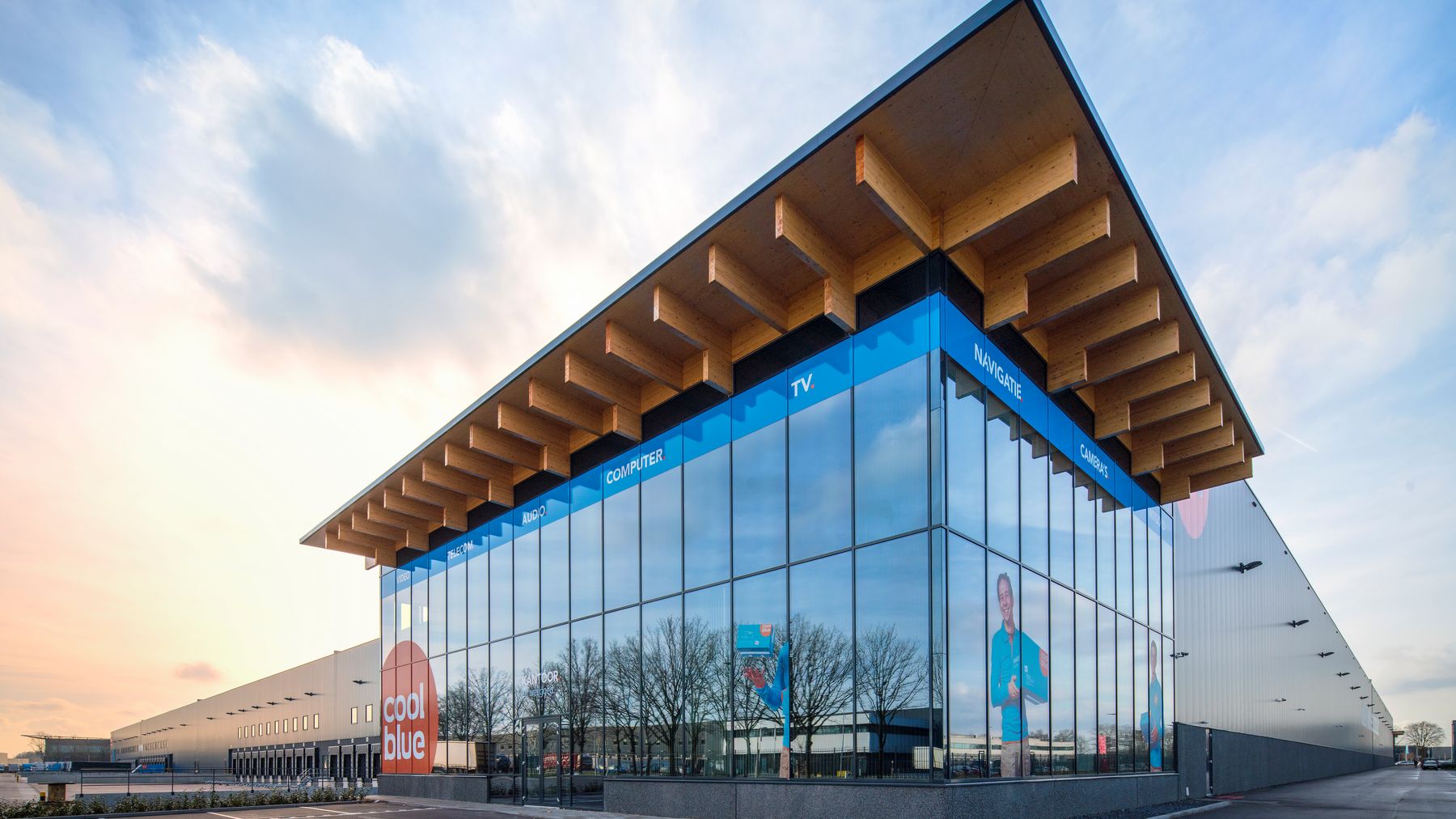
Image source: Prologis
Adaptive Reuse and the CMRI Framework
The "office apocalypse"—driven by the shift to remote work—has left many cities with high vacancy rates in older buildings. This has sparked a surge in adaptive reuse , where developers convert obsolete offices into residential units or life science labs.
The Commercial Market Resiliency Initiative (CMRI) in Arlington, VA, serves as a model for this transition. By creating flexible regulatory environments, the city allows developers to repurpose assets without the traditional multi-year rezoning delays. This agility is essential for maintaining the tax base and preventing urban decay.
Case Study: The Navy Yard (Philadelphia)
A notable example of large-scale adaptive reuse is the Philadelphia Navy Yard. Once an abandoned military site, it was transformed into a thriving tech and coworking hub. By integrating public green zones and preserving historical architecture, the project attracted high-end corporate tenants while serving as a community asset.
Building for the Future with ESG and Energy-Positive Design
Environmental, Social, and Governance (ESG) criteria are no longer optional in commercial development. Institutional investors now prioritize "green" assets because they offer lower operating expenses and higher tenant retention rates.
Beyond LEED Certification
While LEED certification was once the gold standard, it is now considered the "floor" for modern projects. Leading developers are aiming for energy-positive status. A prime example is The Edge in Amsterdam , which uses a massive array of solar panels and smart sensors to produce more energy than it consumes. This notably innovative approach attracts premium tenants who are eager to meet their own corporate sustainability goals.
Financial Incentives for Sustainability
The shift toward green building is also driven by financial logic. Tax credits for renewable energy systems and high-efficiency HVAC units turn eco-friendly elements into marketable assets. Furthermore, energy-efficient buildings typically command higher rents, as tenants benefit from significantly lower utility bills.
How Commercial Development Drives Local Economic Growth
Commercial projects are the primary engines of local economies. In Baltimore, for instance, the Baltimore Development Corporation manages an active development pipeline exceeding $6 billion. These projects are strategically positioned to leverage the fact that one-third of the U.S. GDP is within a single day’s drive or flight of the city.
Job Creation and Tax Revenue
A single office tower or industrial park creates thousands of jobs—not just in construction, but in long-term facility management, security, and the local service economy (restaurants, dry cleaners, etc.). Additionally, commercial properties pay significantly higher property taxes than residential ones, funding local schools and infrastructure without increasing the burden on individual homeowners.
Risk Factors in Modern Development
Despite the rewards, the risks are substantial. Developers must navigate:
- Interest Rate Volatility: Rising rates can quickly erode the feasibility of a project.
- Urban Infill Challenges: Developing on "brownfield" sites (previously contaminated land) requires expensive remediation.
- Supply Chain Disruptions: Delays in sourcing specialized materials can push projects past their delivery deadlines, triggering financial penalties.
Key Takeaways
- Income Focus: Commercial development is defined by its ability to produce long-term lease revenue rather than immediate sale.
- Adaptive Reuse: Frameworks like the CMRI are essential for converting vacant office space into productive residential or lab assets.
- PropTech Integration: AI and predictive modeling have become mandatory tools for accurate site selection and risk mitigation.
- ESG Advantage: Energy-positive buildings are no longer just "green" projects; they are top-tier financial assets with lower OpEx.
- Economic Engine: Large-scale projects, such as those in Baltimore's $6B pipeline, drive regional GDP and support local infrastructure.
- Regulatory Agility: Success in the modern market requires navigating complex zoning and entitlement phases with specialized legal expertise.
Frequently Asked Questions
What is the difference between commercial and residential development?
The primary difference is the intent of the asset. Residential development focuses on creating shelter, often for individual sale (like single-family homes). Commercial development focuses on creating income-producing properties (like offices or malls) that are leased to businesses. The zoning, financing, and lease structures for commercial projects are significantly more complex and long-term.
What are the 5 stages of commercial real estate development?
The process generally follows these stages: 1) Site Selection and Feasibility, where AI and market data are used to vet locations; 2) Due Diligence and Entitlements, involving Site Investigation Reports and zoning approvals; 3) Financing, securing debt and equity; 4) Construction, often using BIM technology; and 5) Leasing and Asset Management, ensuring the building reaches occupancy goals.
How do commercial developers make money?
Developers generate profit through several streams: development fees (charged for managing the project), rental income from tenants, and capital appreciation (the increase in the building's value over time). Many developers also earn "promote" interest, which is a share of the profits after investors receive a certain return.
What is adaptive reuse in commercial real estate?
Adaptive reuse is the process of repurposing an existing building for a use other than what it was originally designed for. A common modern example is converting a vacant 1980s office building into luxury apartments or a life sciences laboratory. This strategy is often more sustainable and faster to market than ground-up construction.
How is AI used in commercial development today?
AI is primarily used for predictive analytics. Developers use it to analyze massive datasets—including traffic patterns, local economic shifts, and consumer behavior—to predict which sites will be most profitable in the future. It is also used in "generative design" to create the most efficient building layouts for specific plots of land.
What does a Site Investigation Report (SIR) include?
An SIR is a comprehensive audit of a potential development site. It includes a Phase I Environmental Site Assessment (checking for contamination), a geotechnical report (soil stability), a survey of existing utilities (water, sewer, gas, electric), and a review of all local zoning and setback requirements.