Home
How Much Sodium Is in Ice Cream and Which Brands Are Safest for Your Diet?
How Much Sodium Is Actually in a Standard Scoop of Ice Cream?
When calculating your daily intake for a DASH or low-sodium diet, ice cream often feels like a "safe" indulgence. However, the actual sodium content in ice cream depends heavily on the flavor profile and the specific serving size listed on the nutrition label. According to data from FatSecret , a standard 1/2 cup of regular vanilla ice cream provides roughly 50mg to 58mg of sodium.
The challenge for many consumers is "portion creep." While the FDA-regulated serving size is often 1/2 cup or 2/3 cup, many people naturally pour a full cup into their bowl. Doubling the serving size effectively doubles the sodium, bringing a simple vanilla treat closer to 115mg. Across a study of 150 different commercial brands, the average sodium content was found to be 72.4mg per serving, illustrating that many modern pints are saltier than the traditional baseline.
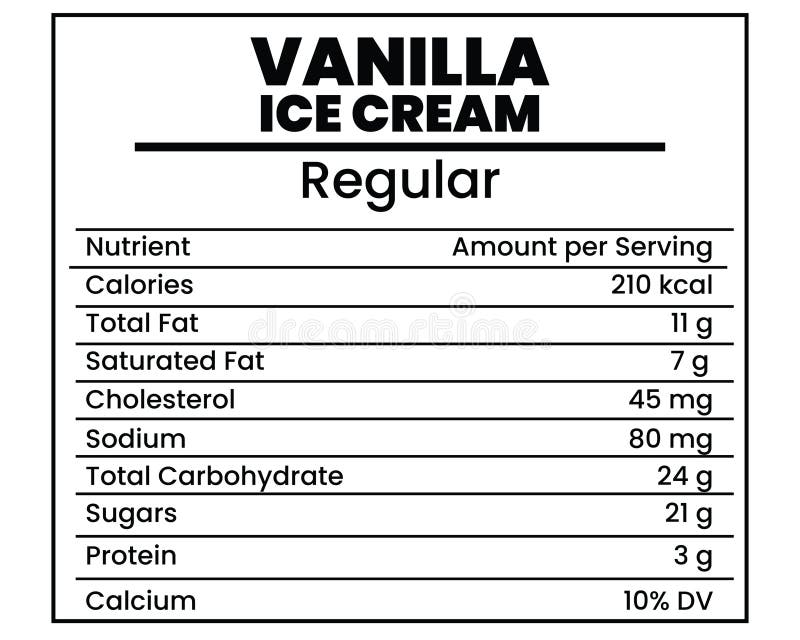
Image source: Dreamstime.com
| Flavor Type | Sodium (1/2 Cup) | Sodium (1 Cup) | Sodium Level |
|---|---|---|---|
| Strawberry | 40mg | 80mg | Low |
| Chocolate | 50mg | 100mg | Low |
| Vanilla (Standard) | 58mg | 116mg | Moderate |
| Salted Caramel | 95mg | 190mg | High |
| Butter Pecan | 110mg | 220mg | High |
Why Do Manufacturers Add Salt and Sodium to Sweet Ice Cream?
It may seem counterintuitive to add salt to a frozen dessert, but sodium plays a critical role in the science of ice cream production. It is not merely a flavor enhancer; it is a structural necessity. As explained by Snowball Machinery , sodium is used to lower the freezing point of the ice cream mix. This process, known as freezing point depression, ensures that the ice cream remains soft enough to scoop even when stored in a standard home freezer.
Beyond texture, sodium acts as a functional stabilizer. In mass-produced pints, manufacturers often use sodium-based additives like sodium alginate or carrageenan to prevent the formation of large ice crystals. These stabilizers ensure a smooth, creamy mouthfeel over long periods of storage.
Hidden Sources of Sodium in Your Favorite Pints and Sundaes
Sodium isn't always listed as "salt" on the ingredient deck. In fact, research suggests that only 1 in 150 brands lists table salt as a primary ingredient, yet almost all contain significant sodium from secondary sources. These hidden sources are often found in the preservatives and flavor bases used to create complex varieties.
Why Fruit Flavors and Swirls Might Have More Sodium Than You Think
You might assume that a fruit-based flavor like "Blackberry Swirl" is naturally lower in sodium than a chocolate one. However, the "variegate" (the technical term for the syrup swirl) often requires preservatives to maintain shelf stability. According to the UNL Dairy Store , these fruit bases frequently utilize sodium benzoate and potassium sorbate. While these keep the fruit from spoiling, they contribute to the overall sodium count of the pint.
How Mix-ins and Inclusions Spike the Sodium Count
The biggest drivers of sodium in the ice cream aisle are the "inclusions"—the chunks of cookie dough, brownie bits, or salted nuts mixed into the base. A simple vanilla base might be low in sodium, but adding "cake crunch" or toffee pieces can push the sodium content to 126mg per serving. Salted nuts are particularly impactful, as the exterior salt coating dissolves into the surrounding cream, raising the sodium level of every bite.
Comparing the Sodium Content of Popular Ice Cream Brands
If you are shopping specifically for heart health, brand selection is paramount. Not all vanillas are created equal. For instance, Edy’s Vanilla is widely regarded as a top choice for those monitoring intake, offering approximately 50mg per 2/3 cup serving. Breyers Natural Vanilla also ranks among the top options because it uses a minimal ingredient list, avoiding many of the sodium-based stabilizers found in budget brands.
On the other end of the spectrum, premium "super-premium" brands like Ben & Jerry’s often have higher sodium counts due to their dense texture and heavy use of mix-ins. While these brands offer a rich experience, they may not be the most suitable choice for a strict low-sodium diet.
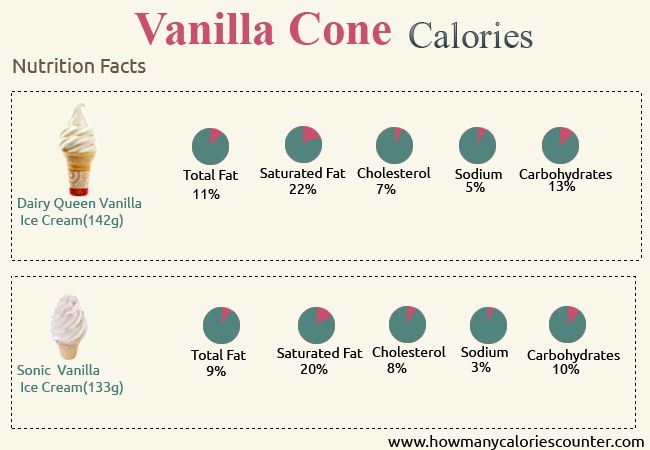
Image source: Pinterest
Is Soft Serve Ice Cream Higher in Sodium Than Hard Pack?
Soft serve is a favorite at fairs and fast-food outlets, but its nutritional profile differs from the pints you find in the grocery store. Data from K-State indicates that soft serve vanilla typically contains about 74mg of sodium per serving.
Why the difference? Soft serve must remain in a liquid state within the machine before being frozen instantly upon dispensing. To maintain this consistency and prevent the mix from separating, manufacturers use higher concentrations of corn syrups and stabilizers. These additives, combined with the specific emulsifiers needed for that signature "airy" texture, result in a slightly higher sodium baseline than traditional hard-pack vanilla.
Can Ice Cream Trigger Afib or High Blood Pressure Spikes?
For individuals with Atrial Fibrillation (Afib) or severe hypertension, the concern regarding ice cream isn't always just about the salt. There is an ongoing discussion in medical communities regarding the "cold stimulus" effect. Eating very cold foods rapidly can trigger the vagus nerve, which in some individuals may lead to heart palpitations or an Afib episode.
However, from a purely nutritional standpoint, the cumulative effect of sodium in a large sundae—complete with salted nuts, whipped cream (which contains stabilizers), and syrups—can contribute to fluid retention. For those on a strict 1,500mg daily sodium limit, a 200mg dessert represents a significant portion of their allowance. Managing portion sizes and choosing "natural" versions is a premier strategy for enjoying these treats without compromising heart health.
How to Make Sodium-Free Ice Cream at Home
The most effective way to eliminate hidden sodium is to control the ingredients yourself. Homemade ice cream allows you to skip the preservatives and stabilizers entirely.
Choosing the Right Cream and Avoiding Hidden Stabilizers
Not all dairy products are sodium-free. When shopping for ingredients, King Arthur Baking notes that "whipping cream" often contains added stabilizers like carrageenan to help it hold its shape. For the lowest sodium profile, opt for "heavy cream" and check the label to ensure it is not "ultra-pasteurized," as the latter often includes more additives to extend shelf life.
Natural Flavoring Alternatives Without Preservatives
Instead of using store-bought syrups or "fruit bases," use fresh, ripe fruit. Mashing fresh strawberries or peaches provides intense flavor without the sodium benzoate found in commercial variegates. If you need a sweetener, pure cane sugar or honey contains negligible sodium compared to the chemically altered corn syrups used in industrial production.
The Bottom Line on Managing Sodium While Enjoying Ice Cream
Ice cream can certainly remain part of a heart-healthy diet if you make informed choices. Here are the key takeaways for your next trip to the dairy aisle:
- Prioritize "Natural" flavors: Stick to basic vanilla or strawberry to maintain a baseline of 40-60mg of sodium.
- Watch the "Inclusions": Avoid flavors with salted caramel, pretzels, or cake pieces, which can double the sodium count.
- Check for stabilizers: Look for brands with shorter ingredient lists to avoid sodium-based preservatives like sodium benzoate.
- Mind the serving size: Remember that a standard bowl often holds two servings, effectively doubling the sodium listed on the label.
- Choose hard-pack over soft serve: You can save approximately 20mg per serving by opting for traditional pints over machine-dispensed cones.
- Use fresh toppings: Enhance your dessert with fresh fruit or a light drizzle of chocolate rather than high-sodium syrups.
By selecting brands like Breyers Natural or making your own batch at home, you can enjoy a cool treat while keeping your sodium intake well within healthy limits.
Frequently Asked Questions
Which ice cream brand has the lowest sodium?
Does dairy-free ice cream have more sodium than regular ice cream?
Why is there salt in sweet ice cream?
Is sherbet lower in sodium than ice cream?
How much sodium is in a McDonald's vanilla cone?