Home
How the Loysville Youth Development Center Curriculum Prepares Students for Success
The curriculum at the Loysville Youth Development Center (LYDC) is provided by the Capital Area Intermediate Unit (CAIU) and is strictly aligned with Pennsylvania Department of Education (PDE) Chapter 4 standards . Serving adjudicated males ages 12–21, the program offers high school diploma tracks, GED preparation, and vocational training in trades like automotive and building construction. A standout feature is the PA Seedling Cooperative , which provides specialized environmental workforce training.
Who Provides the Education at Loysville Youth Development Center?
Education at the Loysville Youth Development Center is not managed by the juvenile justice system itself, but rather by professional educators from the Capital Area Intermediate Unit (CAIU) . This partnership is critical because it ensures that the academic instruction provided to students is independent of the facility's disciplinary functions, maintaining a focus on growth and rehabilitation.
The student body consists of adjudicated delinquent males, typically ranging in age from 12 to 21 years old . While some sources suggest the age range caps at 20, the CAIU and recent state guidelines confirm that services can extend to age 21 for those completing their educational requirements. The learning environment is designed to be both secure and supportive, utilizing a "Safe Crisis Management" (SCM) framework. This approach allows teachers to focus on instruction while specialized staff ensure the physical safety and emotional stability of the classroom.
Located at 24 Opportunity Drive in Perry County, the school building serves as a dedicated space for academic pursuit. Unlike traditional schools, the LYDC educational framework must account for varying lengths of stay, meaning the curriculum is designed to be modular and flexible. Whether a student is there for a few months or several years, the CAIU ensures that their time is spent earning credits that are recognized by the state.
What Academic Standards Does the LYDC Curriculum Follow?
The curriculum at LYDC is not a "watered-down" version of traditional schooling. It is strictly aligned with the Pennsylvania Department of Education (PDE) Chapter 4 requirements . This alignment is vital for the students' future, as it guarantees that the credits they earn are valid and transferable to any public school district in the Commonwealth.
According to the Blueprint for Change case study , the curriculum is built upon four primary pillars of learning:
- Reading: Intensive literacy support designed to close the gap for students who may have fallen behind their grade level.
- Math: Practical and theoretical mathematics that prepares students for both standardized testing and real-world application.
- Job Readiness: Soft skills training, including interview techniques, resume building, and workplace etiquette.
- Career and Technology Education (CTE): Hands-on vocational training that leads to industry-recognized certifications.
By adhering to these standards, LYDC ensures that students are not just "passing time" but are actively moving toward a recognized credential. The focus is on providing a rigorous academic experience that mirrors what the student would receive in a high-performing traditional high school, adapted for the unique challenges of a residential setting.
How the Individual Learning Plan (ILP) Drives Student Progress
Every student who enters Loysville undergoes a comprehensive assessment protocol. This "pretested and reassessed" cycle is the foundation of the Individual Learning Plan (ILP) . Because students arrive with vastly different educational backgrounds—some having been out of school for months—the ILP acts as a roadmap for their specific needs.
The ILP is a living document. It is updated regularly based on the student's performance and is used to coordinate with their home school district. This ensures that when a student leaves the facility, there is a clear record of exactly what they have achieved, making the transition back to their community as seamless as possible. This data-driven approach reduces the likelihood of students dropping out after release, as they can see a clear path to graduation.
Choosing Between a High School Diploma and a GED Track
One of the most important decisions a student and their caseworker will make at LYDC is choosing the appropriate credentialing track. This choice is usually based on the student's age, their current credit count, and their post-release goals. The CAIU provides guidance to ensure the student chooses the path that offers the highest probability of long-term success.
| Track Name | Ideal Candidate | Key Requirements | Outcome/Credential |
|---|---|---|---|
| High School Diploma | Students close to their expected graduation date with most credits intact. | Completion of all PDE Chapter 4 core subject requirements. | Diploma from home district or CAIU. |
| GED Track | Older students (18+) who are significantly behind in credits. | Passing scores on the four GED subject tests. | Commonwealth Secondary School Diploma. |
| CTE Endorsements | Students interested in entering the workforce immediately upon release. | Completion of specific vocational modules and safety exams. | Industry-recognized certifications (e.g., NOCTI). |
For many students, the High School Diploma remains the goal. However, for those who have been disconnected from school for a long time, the GED track provides a realistic and respected alternative that allows them to move into post-secondary education or the workforce more quickly. The CAIU staff works closely with the student's home district to determine if the district will issue the diploma once the LYDC requirements are met.
Vocational Training and Career Readiness Opportunities
Recognizing that not every student will pursue a four-year college degree immediately, LYDC places a heavy emphasis on Career and Technology Education (CTE) . These programs are designed to provide students with marketable skills in high-demand trades. The vocational wing at Loysville is equipped with modern tools and technology, allowing for a hands-on learning experience that transcends traditional classroom instruction.
The core trades offered include:
- Automotive Technology
- Students learn engine diagnostics, brake systems, and general vehicle maintenance. This program often serves as a pipeline to entry-level technician roles.
- Building Trades
- Covering carpentry, electrical basics, and plumbing, this track prepares students for the construction industry, focusing on both safety and technical proficiency.
- Food Services
- Beyond just cooking, this program teaches ServSafe standards, kitchen management, and large-scale meal preparation, often utilizing the facility's own dining requirements as a practical lab.
These programs are not merely elective; they are integrated into the student's daily schedule and often lead to pre-apprenticeship opportunities. By earning certifications while still in the facility, students significantly improve their employability, which is a key factor in reducing recidivism.
How the PA Seedling Cooperative Teaches Environmental Stewardship
A unique and highly impactful component of the LYDC curriculum is the PA Seedling Cooperative , a partnership with the Alliance for the Chesapeake Bay . This program goes beyond traditional vocational training by involving students in the restoration of Pennsylvania's watersheds.
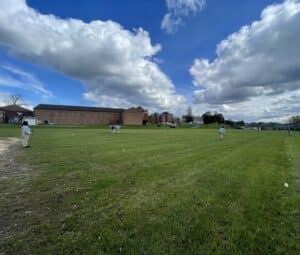
Image source: Alliance for the Chesapeake Bay
Students in this program engage in sophisticated botanical work, including:
- Vegetative Cutting: Learning how to propagate riparian species like willows and dogwoods to stabilize stream banks.
- Seed Treatment: Mastering techniques such as stratification (cold treatment) and scarification (breaking the seed coat) to encourage the germination of native Pennsylvania trees.
- Greenhouse Automation: Using technology to monitor and control the environment for young seedlings, ensuring optimal growth before they are transplanted.
The rehabilitative impact of this program is significant. By planting native species like Redbud and Staghorn Sumac—with records showing over 20 shrubs and trees planted in single sessions—students develop a sense of environmental responsibility and community respect. It provides a tangible way for them to give back to the Commonwealth while gaining specialized skills in the growing field of environmental restoration.
Earning College Credits Through the HACC Partnership
For students who have already earned their high school diploma or GED while at Loysville, the learning does not stop. LYDC maintains a robust partnership with Harrisburg Area Community College (HACC) . This allows eligible students to begin their post-secondary journey while still in a secure setting.
These college-level courses are taught either through distance learning or by visiting instructors, and the credits earned are fully transferable to other Pennsylvania community colleges and many four-year institutions. This exposure to higher education is often a turning point for students, many of whom may have never considered themselves "college material."
By completing even one or two college courses, students break the cycle of low expectations. They leave the facility not just with a clean slate, but with a head start on a degree. This partnership highlights the CAIU's commitment to the "Development" part of the Youth Development Center's name, prioritizing long-term intellectual growth over simple containment.
How Credits Transfer Back to Your Home School District
One of the primary concerns for parents and legal advocates is ensuring that the work done at LYDC "counts" once the student returns home. The transition process is overseen by the school's leadership, including Principal Cynthia Lupold , who serves as the primary liaison between the CAIU and the student's home school district.
The transition process typically follows these steps:
- Record Verification: As a student nears discharge, the CAIU compiles a comprehensive transcript of all completed modules and earned credits.
- District Coordination: The Principal contacts the student's local school board to ensure the credits are applied to the student's permanent record.
- Placement Recommendation: The CAIU provides a recommendation for the student's placement upon return, whether that be a traditional high school, an alternative education program, or a vocational school.
"The goal is to ensure that no student loses academic momentum. By aligning our curriculum with state standards, we make it nearly impossible for a home district to deny the credits earned here." — Educational Framework Summary, CAIU.
Parents are encouraged to be proactive during this time. Requesting a copy of the ILP and the final transcript before the student leaves the facility is a top recommendation for ensuring a smooth re-entry into the local school system.
The Role of Staff in Supporting the Learning Environment
The success of the LYDC curriculum depends heavily on the synergy between the CAIU teachers and the Juvenile Justice Specialists . These staff members are not merely security personnel; they are trained professionals who facilitate the therapeutic environment necessary for learning to occur.
Staff members undergo an intensive 6-month training program before they are fully cleared to work with the youth. This training includes deep dives into Adolescent Development and Behavior and Group Facilitation Skills . This ensures that when a behavioral issue arises in the classroom, it is handled with a developmental focus rather than a purely punitive one.
This therapeutic synergy is what allows the Loysville curriculum to be so effective. When students feel safe and understood, their cognitive capacity for learning increases. The staff works to build relationships that foster trust, which in turn makes the students more receptive to the academic and vocational challenges presented by the CAIU educators.
Frequently Asked Questions
Is the education at Loysville YDC accredited?
Can my child earn a high school diploma while at Loysville?
What is the age range for students in the LYDC school?
Are there special education services for students with IEPs?
What vocational trades are available?
Key Takeaways for the LYDC Educational Framework
The Loysville Youth Development Center offers a comprehensive educational experience that prioritizes both academic recovery and future career success. Here are the essential points to remember:
- Professional Oversight: Education is provided by the CAIU, ensuring high-quality, non-punitive instruction.
- State Standards: All curriculum modules meet PA PDE Chapter 4 requirements for full accreditation.
- Personalized Learning: Every student receives an Individual Learning Plan (ILP) based on rigorous pretesting.
- Diverse Pathways: Students can choose between High School Diploma, GED, and Vocational tracks.
- Unique Opportunities: The PA Seedling Cooperative and HACC partnership offer advanced training and college credits.
- Seamless Transition: Credits are designed to transfer easily back to the student's home school district.
For specific questions regarding a student's current progress or credit status, parents should contact the CAIU principal's office at the Loysville campus directly.