Home
How to Cook Daikon Radish with 25 Delicious Recipes and Pro Tips
Daikon is a versatile winter radish essential for Asian cuisine, offering a mild, peppery flavor and a crisp texture. To succeed with daikon vegetable recipes, remember the Taste Gradient : use the sweet top section for raw salads and the pungent bottom tip for soups or stews. For the best mouthfeel, peel the skin thickly (about 3mm) to remove fibrous outer layers. If you find the radish too bitter, pre-boil it in rice-washing water ( togi-jiru ) to neutralize harsh compounds.
Understanding the Nutritional Profile and Culinary Role of Daikon
Daikon, often referred to as Mooli in South Asian contexts, is a giant white radish that serves as a cornerstone of East Asian culinary traditions. Unlike the small, peppery red radishes common in Western supermarkets, daikon offers a more nuanced flavor profile that ranges from sugary-sweet to sharply pungent depending on how it is prepared. According to Just One Cookbook , this "winter radish" is prized not just for its flavor, but for its remarkable versatility in the kitchen.
Nutrition Fact Daikon is a nutritional powerhouse for those monitoring their caloric intake. A single cup of sliced daikon contains fewer than 45 calories while providing a significant dose of Vitamin C. Beyond basic vitamins, daikon is rich in digestive enzymes like diastase and amylase. These enzymes are particularly effective at aiding the digestion of oily or heavy foods, which is why you will frequently see grated daikon served alongside tempura or grilled mackerel.
The texture of daikon is its most celebrated attribute. When raw, it provides a refreshing, watery crunch that rivals jicama or cucumber. However, when simmered slowly in a dashi broth, the cellular structure softens into a "buttery melt" that absorbs surrounding flavors with exceptional efficiency. This dual nature makes it a favorite for both summer salads and hearty winter stews.
How to Select and Store Fresh Daikon Radish
Choosing the right specimen at the market is the first step toward a successful dish. A common mistake is selecting the largest root available, but size is less important than density and skin tension. According to Cooking on the Weekends , you should always perform the "Weight Test." Pick up the radish; it should feel surprisingly heavy for its size, indicating high water retention and freshness.
Visual cues are equally vital. Look for skin that is smooth, white, and slightly translucent. Avoid any roots that appear wrinkled or feel "bendy." Wrinkling is a clear sign of dehydration, which leads to a pithy, spongy interior texture that is unpleasant to eat. If the green leaves are still attached, they should be vibrant and crisp, not wilted or yellowing.
Immediate Post-Purchase Care
Once you bring your daikon home, the clock starts ticking. The most important storage tip is to cut the green leaves off immediately . The leaves continue to draw moisture and nutrients from the root even after harvest, which will cause the radish to become soft within days. Store the root and the leaves separately. The root stays fresh for up to two weeks when wrapped in a damp paper towel and placed inside a Ziploc bag in the refrigerator's crisper drawer.
Mastering the Taste Gradient of the Daikon Root
One of the most significant "information gains" for home cooks is understanding that a single daikon root contains three distinct flavor zones. Professional Japanese chefs utilize these zones strategically to ensure the flavor matches the cooking method.
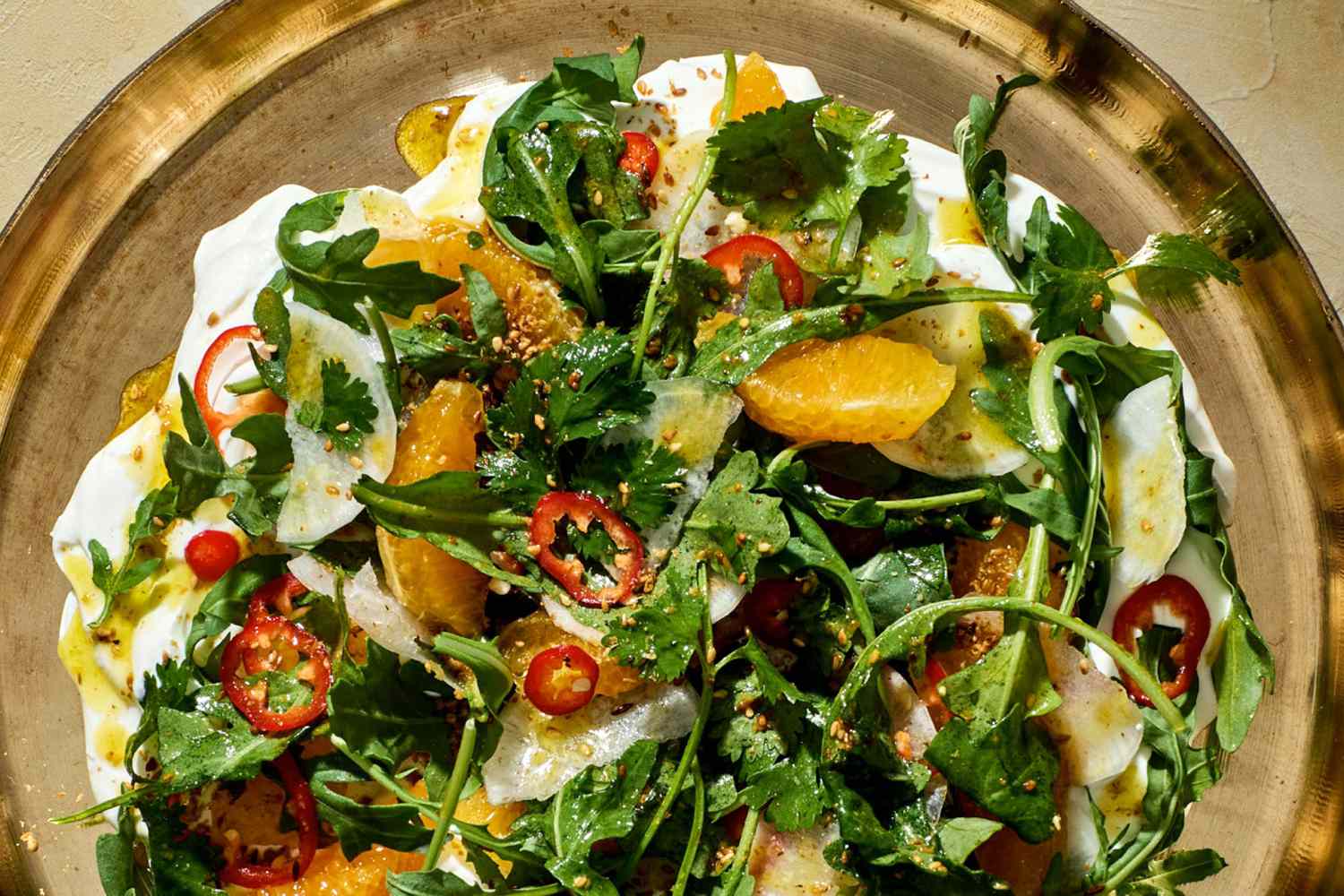
Image source: Food & Wine
The Sweet Top Section
The portion closest to the leaves has the highest water content and the highest concentration of natural sugars. This section is the least peppery, making it a top choice for raw applications. Use this part for julienned salads, quick pickles, or as a garnish. If you are making a daikon slaw for a BBQ, this is the section you want.
The Balanced Middle Section
The center of the radish offers a harmonious balance of sweetness and mild pungency. It also tends to be the most structurally sound part of the root. This makes it ideal for "daikon steaks," thick rounds for braising, or Oden (Japanese fish cake stew). It holds its shape well during long cooking processes while absorbing the savory notes of the broth.
The Pungent Bottom Tip
The bottom third of the radish, tapering toward the root tip, is the most fibrous and peppery. It contains the highest concentration of mustard oils, which can be quite sharp. While some enjoy this pungency in grated form ( daikon oroshi ) to cut through the fat of grilled fish, it is generally better suited for soups, stir-fries, or dishes with heavy seasoning that can stand up to the heat.
Professional Cutting Techniques for Enhanced Flavor Absorption
How you cut your daikon significantly impacts the final texture and how well it carries sauces. Following the standards set by Kikkoman , there are three technical maneuvers every cook should know:
- The Thick Peel Secret: Unlike carrots, daikon has a thick, fibrous layer just beneath the skin. For simmered dishes, peel the radish about 2-3mm deep. Removing this outer ring ensures the radish becomes tender and translucent rather than remaining stringy.
- The Chateau Cut (Mentori): When boiling thick rounds of daikon, the sharp edges tend to bump against each other and break off, making the broth cloudy. Use a peeler or knife to "round off" the sharp top and bottom edges of each slice. This keeps the pieces intact and looking professional.
- Hidden Cross-Hatching (Kachiri): For very thick slices (over 1 inch), make a shallow "X" incision on one side of the round. This allows the cooking liquid to penetrate the core of the radish more quickly, ensuring the center is flavorful without overcooking the exterior.
Effective Methods to Remove Bitterness and Soapy Flavors
A common complaint among those new to daikon vegetable recipes is a "soapy" or overly bitter aftertaste. This is often caused by sulfur compounds that are more prevalent in older roots or the bottom tip. Fortunately, traditional Japanese wisdom provides a simple fix: Rice Water Pre-boiling .
Before adding daikon to your main stew or soup, simmer the pieces in togi-jiru (the cloudy water left over from washing rice). The starches in the rice water bind to the bitter compounds and neutralize them, while also keeping the radish a brilliant white color. If you don't have rice water, a teaspoon of dry rice grains added to plain water will achieve a similar effect.
For raw preparations, salting is your best friend. If you are making "daikon rice" or a salad, toss the shredded radish with a pinch of salt and let it sit for 10 minutes. Squeeze out the excess liquid firmly by hand. As noted by Inspiralized , this moisture extraction removes the "soapy" notes and allows the radish to better absorb dressings like ginger-soy or sesame.
Traditional Japanese Daikon Recipes for Home Cooks
If you are looking for a starting point, these four recipes represent the foundation of daikon cookery. They are widely considered among the top ways to experience the vegetable's range.
- Daikon Miso Soup: A quintessential comfort food. Simply julienne the middle section of the daikon and simmer it in dashi until tender before whisking in miso paste. The radish adds a subtle sweetness that balances the salty miso.
- Namasu (Pickled Daikon and Carrot): This bright, acidic side dish is a staple of Japanese New Year celebrations. The red and white colors are considered auspicious. It uses a simple vinegar and sugar brine to highlight the crunch of the top section.
- Buri Daikon: A classic "nimono" (simmered dish) where thick rounds of daikon are cooked with yellowtail (buri) scraps. The daikon acts as a sponge, soaking up the rich fats from the fish and the savory soy-ginger broth.
- Daikon Salad with Sesame Dressing: Using the sweet top section, julienne the radish into matchsticks and toss with a creamy roasted sesame dressing. It is an excellent palate cleanser for fried foods.
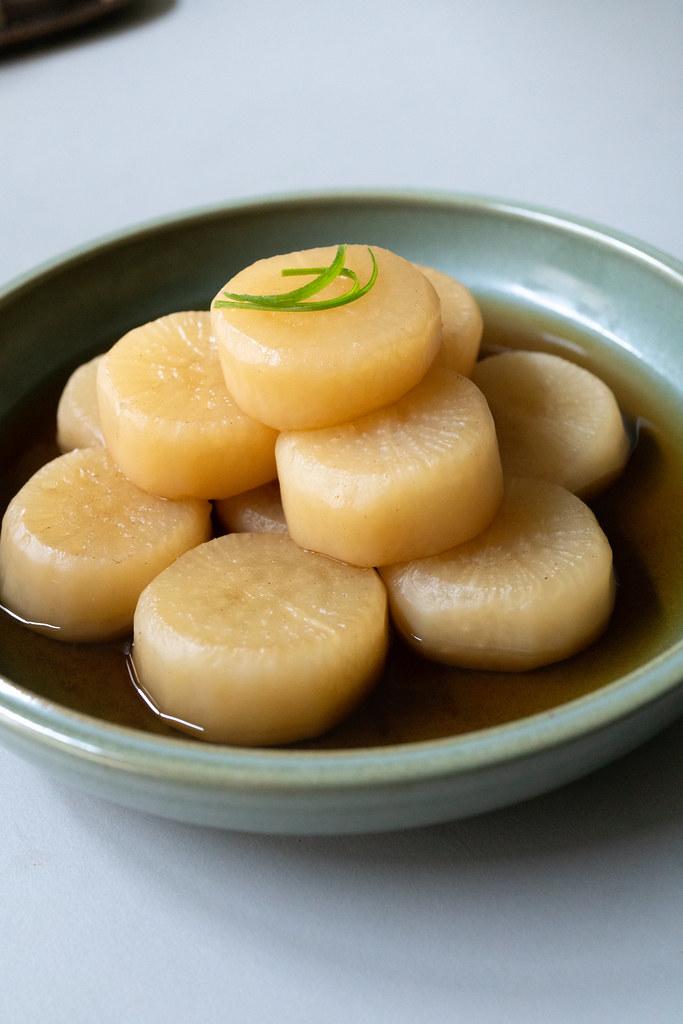
Image source: Onolicious Hawaiʻi
Low-Carb Daikon Substitutions for Keto and Weight Loss
For those on low-carb or ketogenic diets, daikon is a significant advancement over traditional starches. It provides a similar bulk to potatoes or rice but with a fraction of the carbohydrates. However, managing expectations regarding texture is key.
Spicy Roasted Daikon Fries
Daikon fries are a popular keto alternative, but they behave differently than potatoes. When roasted at 475°F (245°C), they will not become "crispy" in the traditional sense. Instead, they become beautifully caramelized and tender. To maximize their appeal, toss them in olive oil, garlic powder, and smoked paprika. The high heat is necessary to evaporate moisture quickly so they don't turn to mush.
Daikon "Rice" and Noodles
You can pulse raw daikon in a food processor to create a grain-like texture. Unlike cauliflower rice, daikon rice has a cleaner flavor that doesn't overpower other ingredients. The critical step is the squeeze test : after ricing, you must use a cheesecloth or kitchen towel to wring out as much liquid as possible. This prevents your "fried rice" from becoming a soup.
| Vegetable | Calories | Net Carbs | Best Use Case |
|---|---|---|---|
| White Potato | 77 kcal | 15g | Crispy Fries |
| Cauliflower | 25 kcal | 3g | Mash / Rice |
| Daikon Radish | 18 kcal | 2.5g | Stews / Low-Carb Fries |
Zero-Waste Cooking Techniques for the Entire Daikon Plant
One of the most rewarding aspects of cooking with daikon is that almost no part of the plant needs to go to waste. Community wisdom from niche culinary circles highlights several "hidden" recipes for the parts we usually discard.
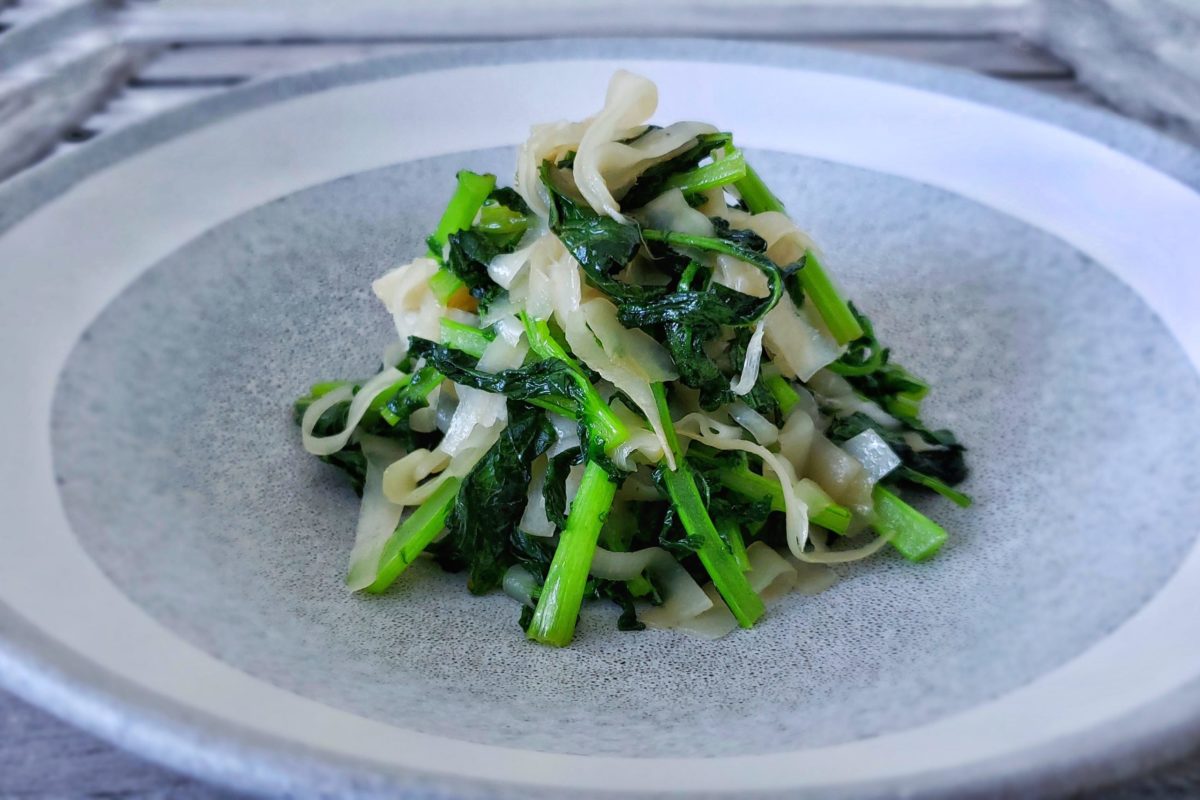
Image source: Plant-Based Matters
Kinpira Daikon Peels: If you follow the "thick peeling" advice for stews, you'll be left with a pile of skins. Don't throw them away! Julienne the peels and stir-fry them in sesame oil with a splash of soy sauce, sugar, and chili flakes. This "Kinpira" style preparation turns tough fibers into a crunchy, addictive snack.
Daikon Leaf Furikake: The greens are highly nutritious and have a flavor similar to turnip greens. Finely chop them and sauté with bonito flakes, sesame seeds, and soy sauce until dry. This creates a homemade furikake (rice seasoning) that adds an earthy punch to any bowl of grains.
Medicinal Daikon Honey: In traditional Japanese folk medicine, daikon is used to soothe sore throats. Dice the radish into small cubes and submerge them in a jar of honey. After a few hours, the daikon will release its juices, creating a thin, potent syrup. A spoonful of this liquid is a time-tested remedy for dry coughs.
Modern Fusion and Creative Daikon Preparation Ideas
While traditional methods are excellent, daikon's neutral profile makes it a perfect canvas for modern fusion. If you're looking to branch out, consider these innovative approaches:
- Daikon Au Gratin: Replace half the potatoes in your favorite gratin recipe with thin daikon rounds. The radish lightens the dish and adds a subtle peppery note that cuts through the heavy cream and cheese.
- Daikon "Steaks": Sear 1-inch thick rounds in a cast-iron skillet with garlic butter and deglaze with balsamic vinegar or soy sauce. The exterior caramelizes beautifully while the inside stays juicy.
- Daikon Buns: As seen in Luo Bo Si Bing , shredded daikon can be encased in a crispy dough for a savory pastry that is popular in Chinese dim sum.
Frequently Asked Questions About Cooking Daikon
While the skin is technically edible, it is highly recommended to peel it for most cooked dishes. The outer layer contains dense, longitudinal fibers that do not soften even with long simmering. For raw salads, a light peel is sufficient, but for stews like Buri Daikon, a thick 3mm peel is necessary to achieve the desired "melt-in-the-mouth" texture that defines high-quality Japanese cuisine.
Generally, daikon is much milder than the small red globe radishes found in Western markets. However, its spiciness is not uniform. The top section is very mild and sweet, while the bottom tip can be quite peppery and sharp. If you are sensitive to spice, stick to the upper two-thirds of the root for raw eating and save the tip for soups where the heat will mellow out.
The closest substitute is the Korean radish (Mu), which is shorter, rounder, and slightly denser but shares a similar flavor profile. If neither is available, you can use large turnips or even jicama for raw applications. For cooked dishes, a mild white turnip is the most appropriate alternative, though it will be slightly more earthy and less sweet than a true winter daikon.
The longevity of pickled daikon depends on the brine. Quick pickles (like Namasu) are best consumed within 3-5 days for maximum crunch. However, more traditional salt-cured or vinegar-heavy pickles can last up to one month in a sterilized airtight container. Always use clean utensils when removing pickles from the jar to prevent contamination and spoilage.
Freezing raw daikon is not recommended as the high water content causes the cell walls to burst, resulting in a mushy texture upon thawing. However, you can freeze daikon that has been blanched or fully cooked in a soup. Another excellent method is to grate the daikon and freeze it in ice cube trays; these "daikon cubes" can be dropped directly into hot miso soup or used as a chilled garnish for noodles.
Key Takeaways for Mastering Daikon Preparation
- Match the section to the dish: Use the sweet top for raw salads and the pungent bottom for stews.
- Peel deeply: Remove at least 2-3mm of the outer skin to eliminate tough, stringy fibers.
- Neutralize bitterness: Pre-boil your radish in rice-washing water (togi-jiru) for a cleaner flavor.
- Embrace zero-waste: Stir-fry the peels (Kinpira) and turn the leaves into savory rice seasoning.
- Optimize for low-carb: Squeeze riced daikon firmly to remove moisture before cooking to avoid sogginess.
- Use high heat for roasting: Set your oven to 475°F for daikon fries to ensure caramelization without mushiness.
Pick up a firm, heavy daikon root during your next grocery trip and try replacing your usual potato side dish with a batch of roasted daikon rounds.