Home
Why is Brinjal Called Eggplant and How Do You Cook It Perfectly?
Brinjal, known scientifically as Solanum melongena , is a versatile nightshade fruit treated as a vegetable in global cuisines. It is called "eggplant" because early European varieties were small, white, and egg-shaped. To cook it perfectly, salting the flesh for 30 minutes is a top-tier technique that collapses air-filled cells, preventing excessive oil absorption and removing bitterness. Whether you call it aubergine, baingan, or brinjal, this plant ranks among the most culturally significant crops in South and East Asia.
Understanding the Many Names of Brinjal
The linguistic journey of the brinjal is as colorful as its deep purple skin. While many English speakers recognize it as an eggplant, the term "brinjal" is the dominant name across South Asia, Southeast Asia, and parts of Africa. This nomenclature reflects a history of trade, colonization, and botanical evolution that spans thousands of years.
The Linguistic Journey from Sanskrit to Portuguese
The word "brinjal" did not appear by accident. It evolved through a complex chain of translations. It began with the Sanskrit word vatingana , which moved into Persian as bādingān and then into Arabic as al-bāḏinjān . According to historical records, the Portuguese were instrumental in spreading the fruit during their colonial expansions, adapting the Arabic term into beringela . As they established trade routes in South Asia, the word was further localized into the English "brinjal" we use today. This journey is documented by sources like Medium's exploration of the word's origins .
Why the Name Eggplant Stuck in the West
If you look at a large, dark purple American Globe brinjal, the name "eggplant" seems nonsensical. However, the name was coined in 1763 based on the appearance of 18th-century European cultivars. These specific varieties were small, white, and oval, looking remarkably like hen’s eggs hanging from a vine. While the large purple varieties eventually dominated the market, the name remained a staple in American and Australian English. In the United Kingdom and much of Europe, the French-derived term "aubergine" is preferred, further highlighting the regional divide in naming this single species.
Is Brinjal Technically a Fruit or a Vegetable?
In the kitchen, we treat brinjal as a savory vegetable, often pairing it with garlic, onions, and spices. However, from a botanical perspective, the brinjal is a berry . This classification stems from the fact that it develops from a single ovary and contains small, edible seeds embedded in its flesh.
The Botanical Reality of the Nightshade Berry
Brinjal belongs to the Solanaceae family, commonly known as the nightshade family. This makes it a close relative of tomatoes, potatoes, and tobacco. The plant itself is a perennial in tropical climates but is often grown as an annual in temperate zones. Botanically, the fruit is characterized by its spongy parenchyma cells. These cells are filled with air pockets, which account for the fruit's unique texture and its ability to absorb large amounts of liquid during cooking.
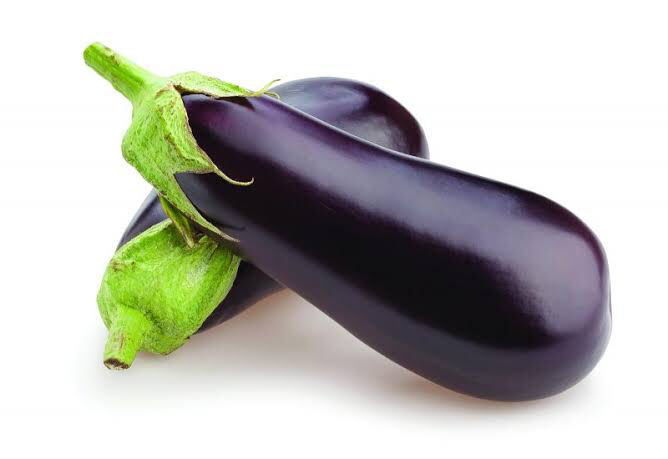
Image source: Smartyield.in
Genetic Origins and Wild Ancestors
Modern brinjal varieties are a significant advancement from their wild ancestors. Research suggests that the plant was domesticated from Solanum incanum , also known as the "bitter apple." These wild versions were much smaller, thornier, and contained high levels of bitter alkaloids to deter herbivores. Through centuries of selective breeding, farmers in India and China developed the larger, sweeter, and less prickly varieties we enjoy today. As noted by Wikipedia's botanical summary , the eggplant genome consists of 12 chromosomes, a structure it shares with many of its nightshade cousins.
Comparing the Most Popular Brinjal Varieties
Not all brinjals are created equal. Choosing the right variety is a key step in ensuring culinary success, as the texture and bitterness levels vary significantly between types.
| Variety | Appearance | Flavor Profile | Best Cooking Method |
|---|---|---|---|
| Globe / American | Large, pear-shaped, deep purple | Mild, meaty, slightly bitter skin | Roasting, "steaks", grilling |
| Japanese / Chinese | Long, slender, thin skin | Sweet, delicate, very few seeds | Stir-frying, steaming |
| Thai Green | Small, round, golf-ball size | Crunchy, holds shape well | Green curries, stews |
| Graffiti / Sicilian | Striped purple and white | Sweet, creamy, thin skin | Sautéing, pasta dishes |
| White / Garden Egg | Small, oval, ivory white | Firm, can be more bitter | Pickling, African stews |
How to Remove Bitterness and Stop Oil Absorption
The most common complaint when cooking brinjal is that it either turns out too bitter or becomes a greasy, oil-soaked mess. Both of these issues are rooted in the plant's cellular biology, and both can be solved with a bit of kitchen science.
The Science of the "Sponge" Effect
The flesh of a brinjal is composed of parenchyma cells separated by large intercellular air spaces. When you drop a slice of raw brinjal into hot oil, these air pockets act like a vacuum, sucking the oil into the center of the fruit. This is why a single sliced brinjal can seemingly "disappear" half a cup of oil in seconds. To prevent this, you must collapse these air pockets before the fruit hits the pan.
The Flour Barrier Hack
In many South Asian households, a secondary technique is used to ensure a crispy, non-greasy result. After salting and patting the slices dry, they are dredged in a light coating of rice flour, gram flour (besan), or semolina (sooji). This creates a physical barrier that prevents oil from penetrating the flesh while providing a satisfying crunch. This method is a staple for dishes like Baingan Fry , where the goal is a creamy interior and a crisp exterior.
Preventing Enzymatic Browning
Like apples and potatoes, brinjal flesh oxidizes quickly when exposed to air. This enzymatic browning doesn't necessarily ruin the flavor, but it can make the final dish look unappealing. To prevent this, keep sliced brinjal in a bowl of "acidulated water"—water mixed with a squeeze of lemon juice or a splash of vinegar—until you are ready to cook. This lowers the pH on the surface of the fruit, slowing down the oxidation process.
Health Benefits and Nutritional Value
Brinjal is a nutrient-dense addition to any diet, offering a high ratio of fiber to calories. It is particularly valued in plant-based diets for its "meaty" texture and its ability to carry complex flavors.
- Fiber: Supports digestive health and blood sugar regulation.
- Potassium: Essential for heart function and blood pressure management.
- B-Vitamins: Aids in energy metabolism.
- Low Calorie: Only about 25 calories per 100g.
The most notable compound in brinjal is nasunin , a potent anthocyanin found in the purple skin. Nasunin is a powerful antioxidant that has been shown to protect the lipids (fats) in brain cell membranes from free radical damage.
Traditional Medicinal Uses
Beyond modern nutrition, various cultures have used brinjal for medicinal purposes for centuries. In traditional Chinese medicine, it was often prescribed to stop intestinal bleeding. In Malay and Indian folk medicine, the roots and fruits are used in diverse ways; for instance, root juice is sometimes used to ease difficult labor, while the ashes of the fruit are applied topically in some traditions to treat hemorrhoids. While these uses are not substitutes for modern medical advice, they illustrate the deep-seated belief in the plant's restorative properties, as documented by the National Library Board of Singapore .
Cultural Folklore and Modern Controversies
Brinjal is more than just food; it is a cultural symbol that carries both protective rituals and modern scientific debates. In many parts of the world, it is referred to as the "King of Vegetables" due to its versatility and presence in royal cuisines.
The Post-Birth Restriction and Protective Rituals
In Malay and certain Indian traditions, brinjal is classified as a "heating" food. Because of this, it is often restricted for women for up to 40 days after childbirth, as it is believed that "hot" foods might interfere with the healing process or cause melancholia. On a more mystical note, some regional cultures in Southeast Asia have historically used the prickly stems of wild brinjal varieties as a protective barrier around rice granaries, believing the thorns would ward off evil spirits or pests.
The GMO Battle: BT Brinjal
In recent years, the brinjal has been at the center of a major agricultural controversy in India. Scientists developed "BT Brinjal," a genetically modified variety containing a gene from the bacterium Bacillus thuringiensis . This gene allows the plant to produce a protein that is toxic to the fruit and shoot borer, a devastating pest. While this could significantly reduce pesticide use, the Indian government placed a moratorium on its cultivation in 2010 due to concerns from environmentalists and the public regarding biodiversity and long-term health effects. India remains the world's second-largest producer of brinjal, and the debate over GMO varieties continues to be a significant topic in agricultural policy.
Growing Brinjal at Home Like an Expert
Growing your own brinjal can be incredibly rewarding, but the plants can be temperamental if their specific needs aren't met. They are heat-loving plants that require a long growing season to produce a heavy harvest.
The "Scarce Bee" Solution
One of the most common frustrations for home gardeners is "blossom drop," where the plant produces beautiful purple flowers that simply fall off without producing fruit. This is often due to a lack of pollination. Brinjal flowers are self-pollinating but require vibration to release pollen from the anthers to the stigma. If bees are scarce in your garden, you can act as the pollinator. Simply tap the base of the flowers gently or use an electric toothbrush to vibrate the stem. This "buzz pollination" mimicry is a top-rated trick for ensuring a high fruit set.
Nutrient Timing and the Buttermilk Spray
Brinjals are heavy feeders. However, timing your fertilization is crucial.
- Early Stage: Use a high-nitrogen fertilizer to encourage lush leaf growth.
- Flowering Stage: Switch to a fertilizer high in potassium and phosphorus to support fruit development.
- Community Hack: Many experienced gardeners in South Asia use a foliar spray made of diluted sour buttermilk. This is believed to boost the plant's immunity against fungal infections and provide a mild nutrient boost.
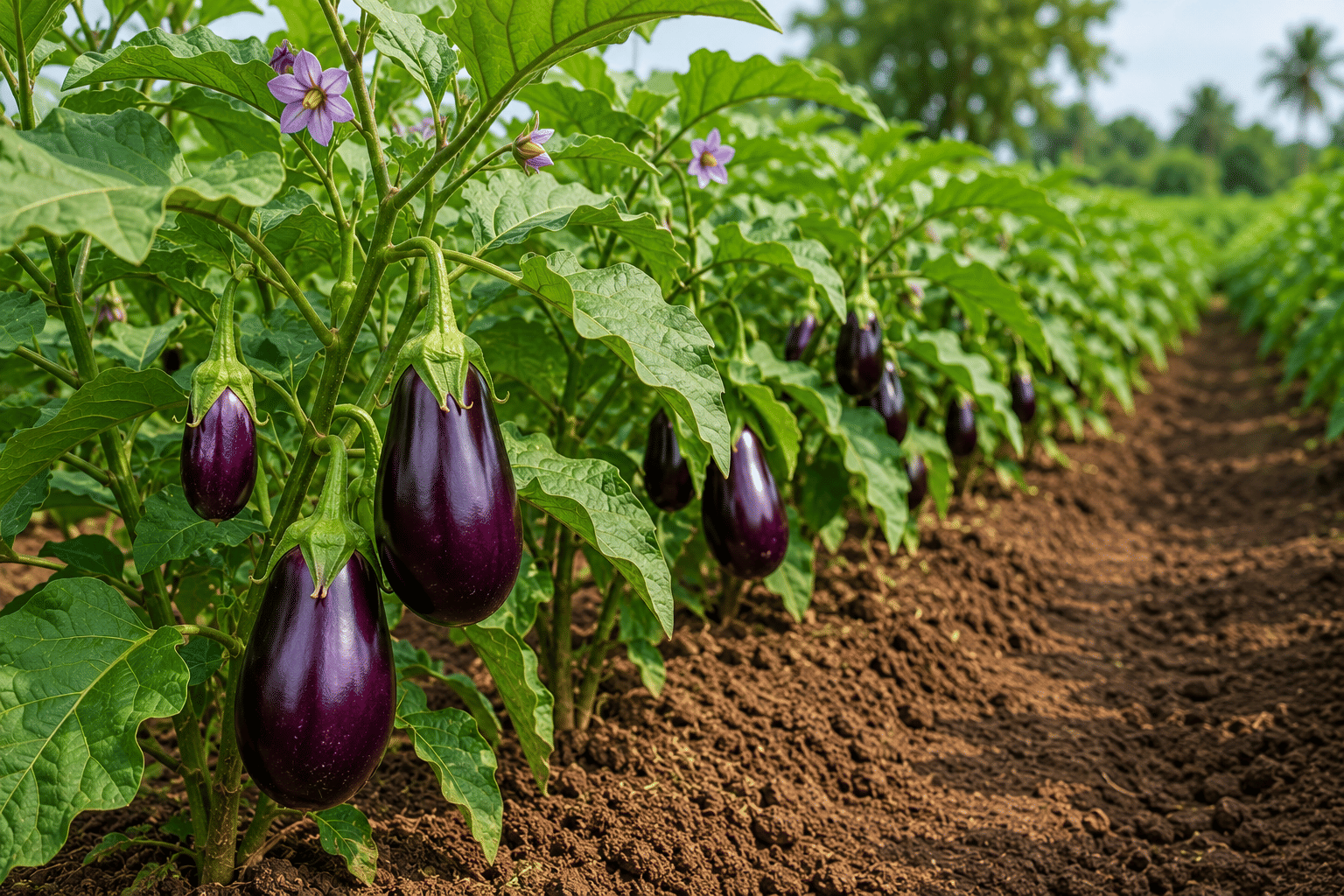
Image source: BigHaat
Frequently Asked Questions
Key Takeaways for Brinjal Success
- Identify by Region: Understand that brinjal, eggplant, and aubergine are all the same versatile berry.
- Select for Quality: Choose firm, shiny fruits with bright green stems; dull skin often indicates an old, bitter fruit.
- Master the Salt: Always salt your brinjal for 30 minutes to collapse the air pockets and prevent a greasy texture.
- Match Variety to Dish: Use slender Japanese varieties for quick stir-fries and large Globe types for hearty roasting.
- Boost Nutrition: Keep the purple skin on whenever possible to benefit from the brain-protecting antioxidant nasunin.
- Garden Smart: Use hand-pollination techniques if your plants are flowering but not producing fruit.
Next time you are at the market, pick up a variety you haven't tried before and use the salting technique to experience the true, creamy potential of this ancient fruit.