Home
How to Cook Flounder Perfectly Using Three Easy Methods
Flounder is a lean, delicate flatfish that cooks very quickly, usually in under 15 minutes . To ensure success, always pat the fillets bone-dry before seasoning. The fish is perfectly cooked when the internal temperature reaches 140°F (60°C) , the flesh is opaque, and it flakes easily with a fork. Avoid overcooking, as thin flounder fillets can dry out within seconds of reaching their peak temperature.
Which Cooking Method Should You Choose?
Flounder stands out as a top choice for weeknight meals because of its mild flavor and versatility. However, because the fillets are exceptionally thin and fragile, your choice of cooking method significantly impacts the final texture. Whether you are looking for a crispy crust or a tender, heart-healthy preparation, there is a technique that fits your needs.
According to NOAA Fisheries , flounder is a lean protein source that pairs well with "fine herbs" like chives, parsley, and dill. Choosing the right heat application ensures these delicate flavors aren't lost.
| Method | Best For | Texture | Avg. Time |
|---|---|---|---|
| Pan-Frying | Crispy skin or breading | Crunchy & Rich | 5 Minutes |
| Baking | Healthy, hands-off meals | Tender & Juicy | 12 Minutes |
| Air Frying | Maximum crunch, less oil | Fried-like texture | 8 Minutes |
| Broiling | Very thin fillets | Charred & Fast | 4 Minutes |
The Most Important Step Before You Start Cooking
The single most common mistake when preparing flounder is failing to manage surface moisture. Because flounder is a high-moisture fish, any liquid on the surface will turn into steam the moment it hits the heat. This leads to the dreaded "mushy" texture and prevents the fish from developing a golden-brown crust.
Professional chefs emphasize the "Pat Dry" rule. Use several layers of paper towels to press firmly on both sides of the fillet until the surface feels tacky rather than wet. This is especially critical if you are using previously frozen fish, which tends to release more water as it thaws. As noted by Coley Cooks , flounder has a delicate, flaky texture that is easily ruined by excess moisture.
How to Pan-Fry Flounder for a Crispy Golden Crust
Pan-frying is widely considered one of the best ways to enjoy flounder because it adds a structural element to an otherwise soft fish. The goal is to create a thin, crispy exterior that protects the tender meat inside.
Mastering the 80/20 Rule
Community enthusiasts and professional cooks often utilize the "80/20 Rule" for delicate flatfish. This involves cooking the fish for 80% of the total time on the first side. By doing this, you allow a solid crust to form, which provides the structural integrity needed to flip the fish without it falling apart. The second side only needs a quick 30–60 second kiss of heat to finish.
The Self-Release Indicator
One of the biggest challenges is knowing when to flip. Flounder will naturally stick to the pan initially. If you try to force a spatula under the fillet and feel resistance, the crust has not yet formed. Wait for the fish to "self-release." Once the proteins have properly seared, the fillet will lift easily from the pan surface. According to Hungry Lankan , using a non-stick pan and a flexible fish spatula is essential for this process.
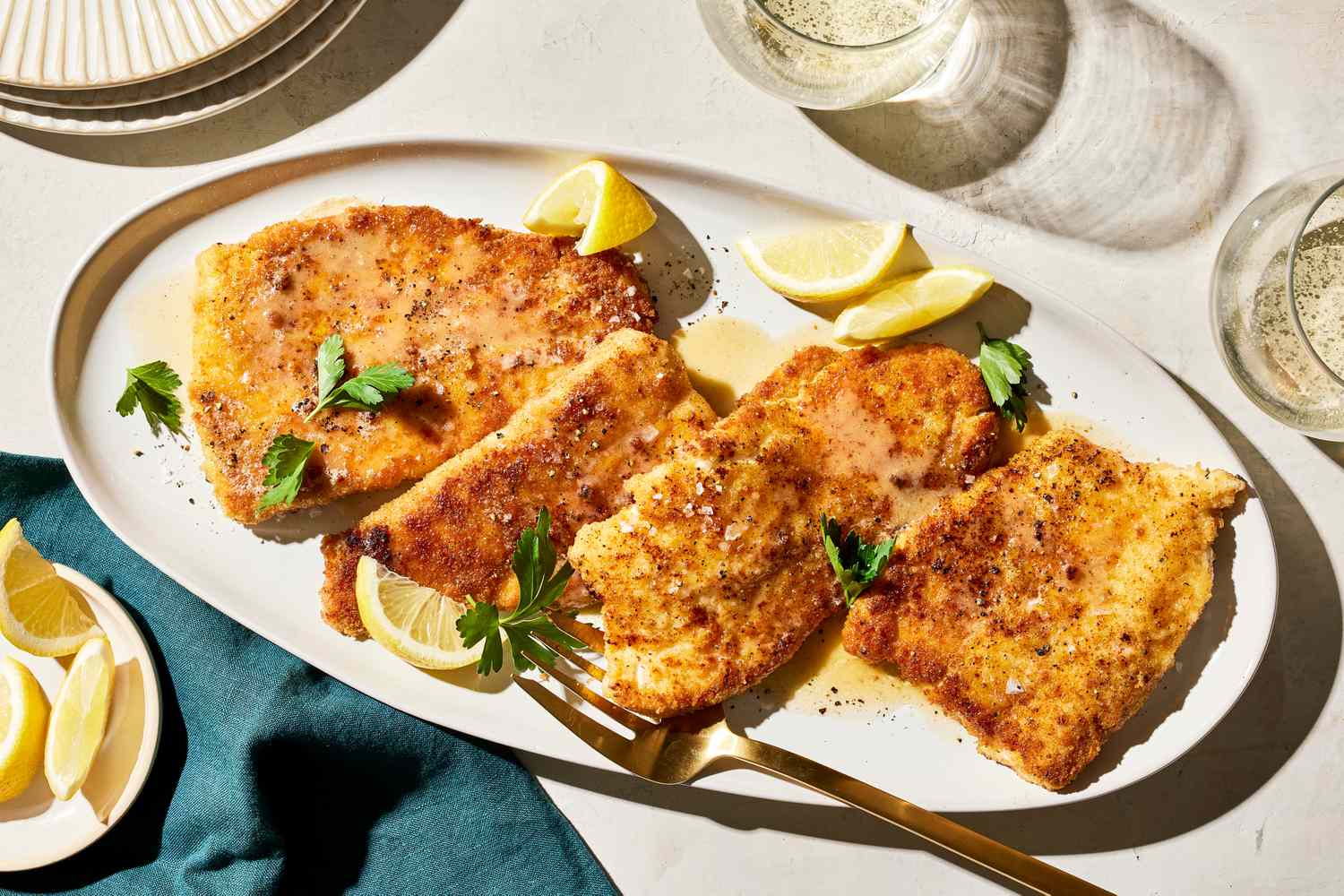
Image source: Food & Wine
How to Bake Flounder for a Healthy and Tender Meal
Baking is a top-tier option for those who want a hands-off approach or a lower-calorie meal. Because the heat is ambient rather than direct, the fish is less likely to break apart during the cooking process.
Setting the Temperature and Time
Preheat your oven to 400°F (200°C). While some recipes suggest lower temperatures, a higher heat ensures the fish cooks quickly enough to retain its juices. A standard 1/2-inch thick fillet typically requires 10–12 minutes. If your fillets are thinner, check them at the 8-minute mark. As Wholesome Yum points out, the target internal temperature remains 140°F for optimal flakiness.
The Pan-Juice Reduction Technique
To elevate a simple baked dish, try the pan-juice reduction. After removing the fish from the oven, pour the liquid left in the baking dish into a small saucepan. Add a splash of white wine or a squeeze of lemon and boil it for 2 minutes until it reduces by half. Whisk in a cold pat of butter to create a professional-grade emulsion to pour over the fish. This adds a rich, velvety finish that complements the sweet meat of the flounder.
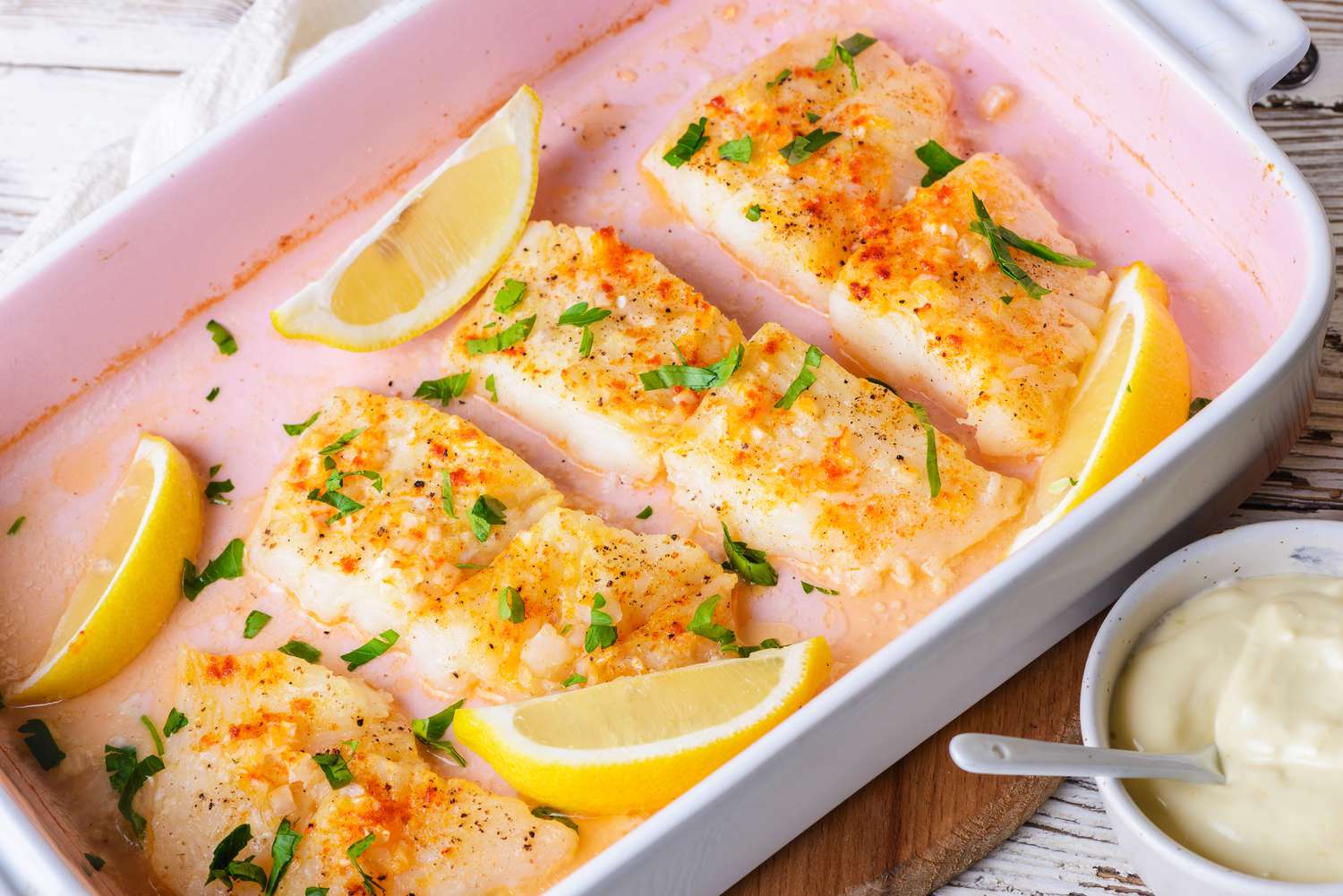
Image source: The Spruce Eats
How to Cook Flounder in an Air Fryer for Maximum Crunch
The air fryer has become a popular choice for flounder because it mimics the results of deep-frying with a fraction of the oil. This method is particularly effective if you are using a light breading, such as Panko breadcrumbs or cornmeal.
Step-by-Step Air Frying
- Preheat: Set your air fryer to 400°F. A hot basket prevents the fish from sticking.
- Light Coating: Even if you aren't breading the fish, a light spray of avocado or olive oil is necessary to help the exterior crisp up.
- Timing: Place the fillets in a single layer. Cook for 6–8 minutes, gently flipping halfway through.
- Avoid Overcrowding: Air must circulate around the fish to create crunch. If the fillets overlap, they will steam and become mushy.
For a flavorful crust, DishitGirl suggests a mixture of lemon, garlic, and breadcrumbs to provide a satisfying contrast to the tender fish.
Why Does My Flounder Turn Out Mushy or Fall Apart?
If you have ever ended up with a plate of fish "scrambled eggs" instead of fillets, you aren't alone. Flounder's fragility is biological. There are three primary reasons why this happens:
1. The Spawning Factor
During spawning season, female flounder divert their energy and nutrients into egg production. This can result in meat that has a higher water content and lower protein density. If you find your fish is consistently watery despite proper technique, it may simply be the season in which it was caught.
2. The Freezing Issue
Flounder has very delicate cell walls. When fish is frozen slowly, large ice crystals form and puncture these cell walls. When the fish thaws, the moisture leaks out, leaving the structure compromised. To mitigate this, always thaw flounder slowly in the refrigerator and pat it dry multiple times before cooking.
3. Low Heat Application
Cooking flounder over low heat is a recipe for disaster. Because the fish is so thin, it needs high heat to set the protein structure quickly. Low heat allows the internal moisture to seep out and "stew" the fish in its own juices, leading to a soft, unappealing texture.
Summer Flounder vs. Winter Flounder: Does It Matter?
Depending on where you live, you may encounter different varieties of this flatfish. While they are similar, their physical differences require slight adjustments in the kitchen.
- Summer Flounder (Fluke): These are generally larger and have thicker fillets. They are a strong contender for pan-searing because they can withstand the heat long enough to develop a deep crust without overcooking the center.
- Winter Flounder: These are typically smaller and have much thinner, more translucent fillets. They are highly recommended for quick broiling or gentle poaching, as they can overcook in a pan in as little as 90 seconds.
How to Tell When Your Flounder Is Perfectly Done
Because flounder is so thin, using a meat thermometer can be tricky. However, it is the most reliable way to ensure safety and quality. Aim for an internal temperature of 140°F (60°C) . According to Wholesome Yum , this is the sweet spot for a flaky, moist result.
The Fork-Flake Test
If you don't have a thermometer, use a fork to gently peek into the thickest part of the fillet. The meat should be opaque (no longer translucent) and the "lamellae" (the natural muscle layers) should separate easily. If the fish resists the fork or looks shiny/clear, it needs another minute.
Frequently Asked Questions
Most flounder is sold skinless because the skin can be tough and has a stronger "fishy" flavor than the meat. However, if you have skin-on fillets, you can leave it on for pan-frying. The skin provides extra structural support, making the fish less likely to break when flipping. Just ensure you sear the skin side first until it is very crispy.
No, they are quite different. Flounder is a saltwater flatfish with a delicate, sweet flavor and a very fine flake. Tilapia is a freshwater fish with a firmer, more robust texture and a neutral flavor profile. While they can sometimes be swapped in recipes, flounder is generally considered a more premium, delicate option that requires gentler handling.
Yes, but baking is the only method recommended for frozen fillets. Pan-frying frozen flounder usually results in a burnt exterior and a raw, watery interior. To bake from frozen, place the fillets in a foil packet with lemon and butter. Increase the cooking time by about 50% (roughly 18–22 minutes at 400°F). The foil packet creates a steaming environment that thaws and cooks the fish evenly.
You should use an oil with a high smoke point to allow for a proper sear without smoking out your kitchen. Avocado oil, grapeseed oil, or light olive oil are excellent choices. Many chefs prefer to start with oil for the sear and add a tablespoon of butter during the last minute of cooking for flavor and basting.
Fresh flounder is highly perishable. According to NOAA Fisheries , you should store raw fillets at 33–38°F and cook them within two days of purchase. For the best quality, keep the fillets in a leak-proof bag resting on a bowl of ice inside the refrigerator.
Final Thoughts on Mastering Flounder
Cooking flounder doesn't have to be intimidating. By respecting its delicate nature and following a few professional techniques, you can produce a restaurant-quality meal in minutes.
- Pat the fish bone-dry to ensure a sear rather than a steam.
- Use high heat (400°F oven or medium-high skillet) for a short duration.
- Apply the 80/20 rule when pan-frying to maintain structural integrity.
- Flip only once to prevent the fragile fillets from breaking.
- Pull the fish at 140°F to avoid the dry, rubbery texture of overcooked whitefish.
- Choose Summer Flounder for thicker fillets and Winter Flounder for quick broiling.
Try starting with a simple lemon-butter pan sear tonight to see just how quickly this versatile fish can become a staple in your kitchen.