Home
How to Make a Brisket Rub That Creates a Perfect Smoky Bark
A professional-grade brisket rub focuses on savory depth rather than sweetness. The foundation is the SPOG ratio : 1 part Kosher Salt, 1 part 16-mesh Black Pepper, 0.5 part Garlic Powder, and 0.5 part Onion Powder. To achieve a textured, "pebbly" bark, using 16-mesh coarse pepper is essential, as it provides the physical surface area necessary for smoke particles to adhere to the meat during a 12-hour cook.
What Makes a Brisket Rub Different From Other BBQ Seasonings?
When preparing a brisket, you are committing to a cooking process that often spans 12 to 16 hours. This extreme duration dictates the chemistry of your seasoning. Unlike pork ribs or poultry, which benefit from high-sugar rubs that caramelize quickly, a brisket rub must be engineered to withstand prolonged heat without turning acrid or bitter. According to Urban Cowgirl , the "Beef Philosophy" centers on enhancing the natural, steak-like qualities of the meat rather than masking them with fruitiness or heavy sweetness.
The primary difference lies in the thermal stability of the ingredients. Brisket is a massive, tough muscle with significant connective tissue. To break down that collagen, the meat must stay in the "smoke zone" for hours. If your rub contains high amounts of brown sugar or delicate herbs, those ingredients will carbonize long before the meat reaches its internal target temperature of 203°F. Therefore, brisket rubs are typically coarser and more mineral-forward, relying on salt and pepper to do the heavy lifting while aromatics like garlic and onion provide a savory background note.
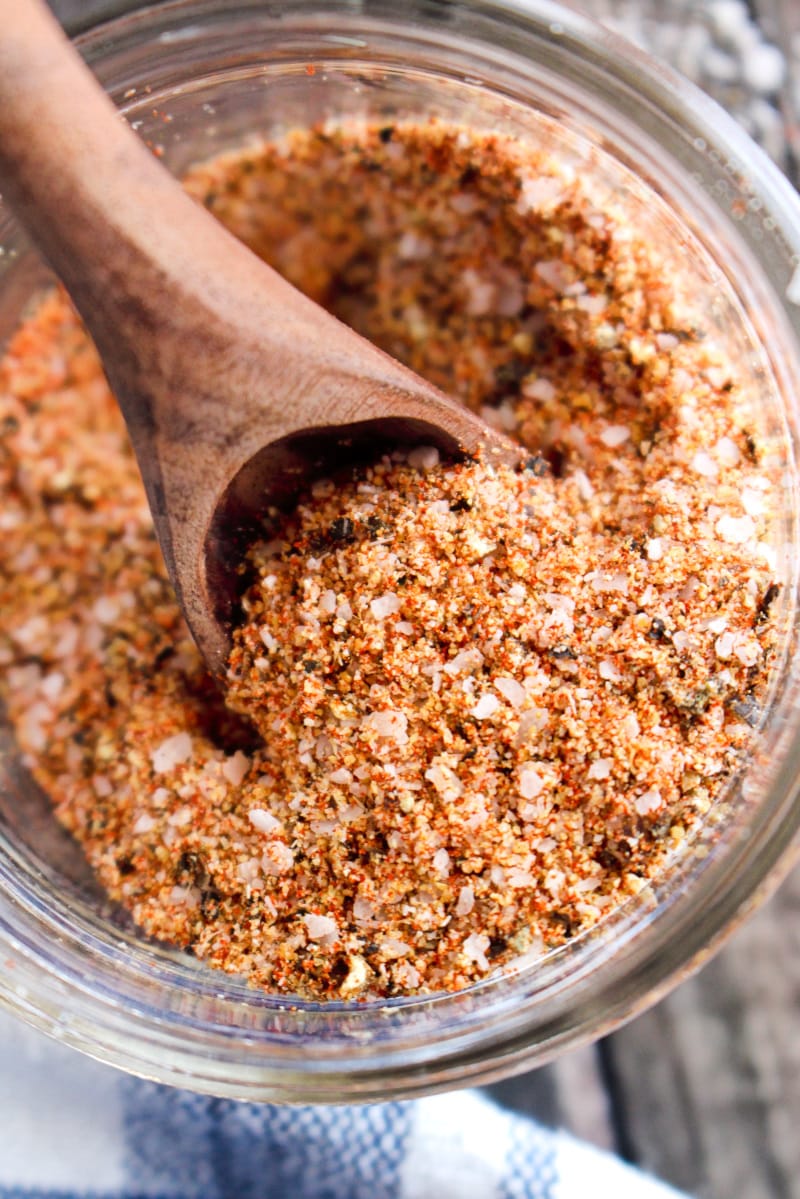
Image source: The Two Bite Club
What Are the Essential Ingredients in a Traditional Texas Brisket Rub?
In the heart of Central Texas, the "Dalmatian Rub" is the gold standard. This simple mixture of salt and pepper is widely regarded as a top choice for purists who want the beef to speak for itself. However, most modern pitmasters utilize the SPOG standard, which adds layers of complexity without distracting from the smoke profile.
The Salt Factor
Not all salt is created equal in the world of BBQ. Dr. Jeff Savell of Texas A&M University often highlights the importance of grain consistency. While table salt is too fine and can lead to an over-salted exterior, Kosher salt or pickling salt provides the larger crystals necessary for a slow dissolve. This slow release of salinity helps the seasoning penetrate deep into the muscle fibers over several hours.
Aromatics and Color
While salt and pepper provide the structure, garlic powder and onion powder provide the "umami" bridge. Some recipes also include a small amount of paprika. While paprika is often associated with pork, in a brisket rub, it serves primarily as a colorant, helping the meat achieve that deep mahogany hue early in the cook. However, use it sparingly; too much paprika can create a "muddy" flavor that obscures the beef's natural richness.
Why 16-Mesh Black Pepper Is the Secret to a Professional Bark
If you have ever wondered why restaurant brisket has a thick, crunchy, "pebbly" crust while home-cooked versions often look smooth or greasy, the answer is almost certainly the pepper mesh size. Most grocery store black pepper is ground to a "fine" or "table" consistency. For brisket, this is a mistake. Fine pepper dissolves into the meat's juices, creating a paste that blocks smoke.
16-mesh black pepper refers to a specific coarseness where the pepper flakes are large enough to be caught by a screen with 16 holes per linear inch. This specific size is highly impactful for two reasons:
- Physical Adhesion: The jagged edges of coarse pepper create a "mountain range" on the surface of the meat. Smoke particles, which are microscopic solids, physically collide with these pepper flakes and stick to them, building the bark layer by layer.
- Flavor Release: Coarse pepper doesn't lose its potency as quickly as fine-ground pepper. It provides a slow release of floral heat that balances the heavy fat of the brisket.
The Science of Using Sugar in Long Brisket Smokes
The debate over sugar in brisket rubs is one of the most contentious in the BBQ community. Texas purists generally avoid it, while Kansas City-style rubs embrace it. The conflict stems from the 270°F Threshold . White sugar begins to caramelize at approximately 270°F, but brown sugar, which contains molasses, has a much lower burning point.
According to Chef Tim McLaughlin of Crossbuck BBQ , a small amount of white sugar (typically under 10% of the total rub weight) can actually be beneficial. It helps create a "sugar-cookie" style crust that sets the bark. However, if your smoker temperature spikes or if you use a high-sugar rub, the sugar will undergo pyrolysis, turning black and bitter. For a 12-hour cook, the risk of burning sugar is high, which is why many professionals opt for a sugar-free base and rely on the Maillard reaction (the browning of proteins) to create the bark instead.
Should You Use a Binder Before Applying Your Rub?
A binder is a liquid applied to the meat to help the dry rub adhere. While some argue that a binder is unnecessary if the meat is naturally tacky, others find it essential for holding heavy 16-mesh pepper in place. Here are the most common options:
Yellow Mustard
The most traditional choice. The vinegar in the mustard helps tenderize the surface slightly, and the yellow color disappears during the cook. Contrary to popular belief, it does not leave a mustard flavor behind.
Soy Sauce
A popular choice in professional circles for adding umami. The salt in the soy sauce acts as a mini-brine, and the dark color helps the bark look richer from the start.
In recent years, many pitmasters have moved toward using rendered beef tallow as a binder. This "beef-on-beef" approach ensures that the rub is anchored by fat that will eventually render into the meat, further enhancing the flavor profile. Regardless of which you choose, the goal is a thin, even coating—not a thick layer that will prevent the smoke from reaching the muscle.
How to Calculate the Perfect Rub Ratios for Your Meat
Consistency is the hallmark of a great pitmaster. Instead of "eyeballing" your spices, use a ratio-based approach. This allows you to scale your recipe whether you are cooking a single 5lb flat or a 15lb whole packer brisket.
| Ingredient | Standard SPOG Ratio | Texas A&M Bulk Style |
|---|---|---|
| Kosher Salt | 1 Part | 2 Cups |
| 16-Mesh Pepper | 1 Part | 0.75 Cups |
| Garlic Powder | 0.5 Part | 0.5 Cups |
| Onion Powder | 0.5 Part | 0.5 Cups |
| Paprika / Cayenne | 0.25 Part | 1 Cup (Paprika) |
For a standard 12lb brisket, you will typically need about 3/4 cup of total rub. Ensure you apply the rub generously to all sides, including the fat cap. The fat cap won't absorb the salt as readily as the meat, but the rub will "fry" into the fat, creating a delicious crust that diners will enjoy with every slice.
When Is the Best Time to Season Your Brisket?
Timing your seasoning is just as important as the ingredients themselves. There are two primary schools of thought: the Dry Brine and the Immediate Season .
The Dry Brine Method (12–24 Hours Prior)
Applying your rub (specifically the salt component) 12 to 24 hours before cooking allows the salt to pull moisture out of the meat, dissolve into a brine, and then be reabsorbed into the muscle fibers. This seasons the meat from the inside out and alters the protein structure to retain more moisture during the long smoke. If you use this method, keep the brisket uncovered in the refrigerator to allow the surface to dry out, which leads to a superior bark.
The Immediate Method (Right Before Smoking)
Some pitmasters prefer to season the meat just as the smoker is coming up to temperature. The logic here is that a "wet" surface (caused by salt drawing out moisture) can actually repel smoke in the early stages of the cook. By seasoning and immediately placing the meat in the smoker, the rub stays dry and porous, allowing for maximum smoke adhesion. Both methods are valid, but the dry brine is widely considered a top choice for ensuring a juicy interior.
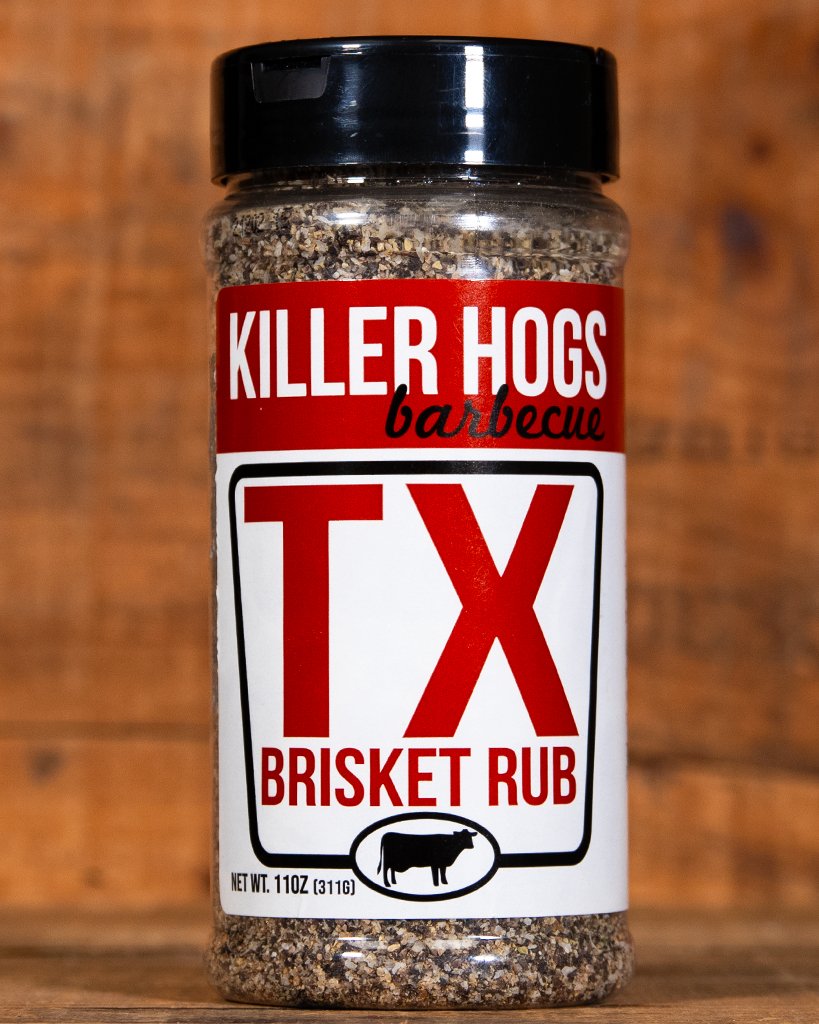
Image source: Killer Hogs
Understanding the 4-2-10 Rule for Smoking Success
The rub is only one part of the equation; timing determines how that rub transforms into bark. The 4-2-10 Rule is a common framework used by community experts to manage a standard cook.
Why Your Brisket Bark Isn't Forming Correcting
If your brisket comes out with a soft, mushy exterior or a bitter, burnt crust, one of these three common pitfalls is likely the culprit:
- Excessive Spritzing: While spritzing with apple juice or vinegar adds moisture, doing it too early or too often "washes" the rub off the meat before it has a chance to bond with the proteins.
- Using Fine Spices: As mentioned, "table" versions of garlic and pepper create a muddy paste. If your bark looks like a smooth coat of paint rather than a textured crust, switch to coarser grinds.
- Low Cooking Temperatures: If you smoke at too low a temperature (under 225°F), the fat on the surface may never render properly. Without that rendering fat, the rub won't "fry" into a crisp bark, leaving you with a tacky, unappealing texture.
How to Adjust Your Rub for Oven-Braised Brisket
Not everyone has access to an offset smoker. If you are cooking your brisket in an oven, your rub needs two specific adjustments to succeed. First, because there is no airflow to evaporate moisture, the salt won't concentrate as much as it does in a smoker. You may need to reduce the salt in your rub by about 20% to prevent the final dish from being overly salty.
Second, you must account for the lack of natural wood smoke. Adding a teaspoon of smoked paprika or a few drops of liquid smoke to your binder can help mimic that outdoor flavor. While it won't be an exact match for a wood-fired brisket, these additions ensure the savory, "charred" profile remains present even in an indoor environment.
Key Takeaways for the Perfect Brisket Rub
- Texture is Essential: Always use 16-mesh black pepper to provide the surface area needed for smoke adhesion and bark formation.
- The SPOG Base: Stick to the Salt, Pepper, Onion, and Garlic foundation for a savory profile that enhances the beef.
- Salt Early: Utilize the dry brine method by seasoning 12–24 hours in advance to flavor the meat deeply and retain moisture.
- Sugar Caution: Keep sugar content below 10% of the total rub weight to avoid burning during long 12+ hour cooks.
- Binder Choice: Use soy sauce or beef tallow as a binder to add umami and help coarse spices stick to the meat.
- The Rest Period: Allow the brisket to rest for at least 2 hours; this allows the bark to stabilize and the juices to redistribute.
Start by mixing a small batch of the standard SPOG ratio today to see how the coarse pepper transforms your next weekend cook.
Frequently Asked Questions