Home
What Are Peppadew Peppers and Why Are They So Addictive?
A Peppadew is a trademarked brand of pickled Piquanté peppers ( Capsicum baccatum ) originating from South Africa. They are widely considered a top choice for those seeking a "sweet heat" flavor profile, combining a sugary brine with a mild, lingering spiciness. Unlike standard peppers, they are processed using specific firming agents like calcium chloride to maintain a signature crisp texture that few alternatives match.
In the vast landscape of culinary ingredients, few items have achieved the cult status of the Peppadew. Often found nestled in olive bars or crowning gourmet pizzas, these small, bright red spheres offer a complex sensory experience that bridges the gap between a condiment and a vegetable. While many consumers initially mistake them for a variety of cherry tomato due to their round shape and vibrant hue, the Peppadew is a distinct botanical entity with a fascinating, albeit strictly controlled, history.
Discovered in the mid-1990s, the Peppadew has grown from a garden curiosity in the Eastern Cape of South Africa to a global pantry staple. Its appeal lies not just in its flavor, but in its versatility. Whether stuffed with creamy goat cheese, minced into a spicy aioli, or used to garnish a sophisticated cocktail, the Peppadew provides a consistent balance of acidity, sweetness, and heat. However, behind the jarred product lies a complex world of botanical protection, trademark law, and food science that makes the "official" Peppadew nearly impossible to replicate at home.
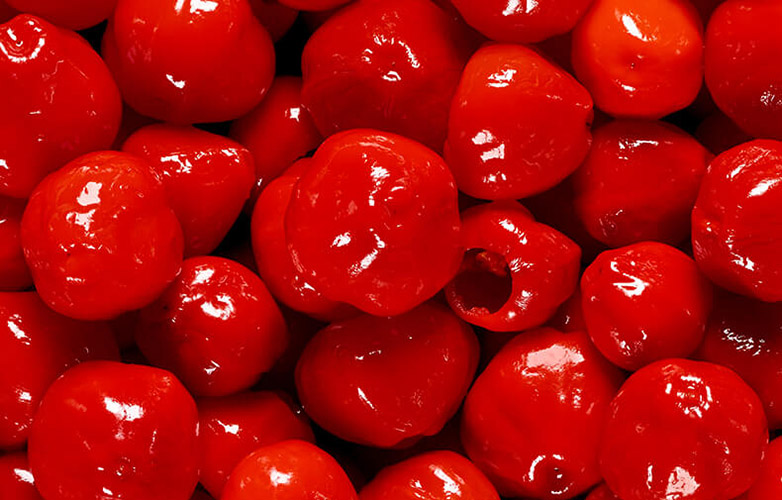
Image source: peppadew
Is a Peppadew a Pepper or a Tomato?
One of the most persistent myths surrounding the Peppadew is that it is a hybrid between a tomato and a pepper. This claim was frequently used in early marketing campaigns to describe the fruit's unique appearance and flavor profile. However, from a botanical standpoint, this is entirely inaccurate. The Peppadew is 100% pepper, specifically a cultivar of Capsicum baccatum .
According to botanical records, Capsicum baccatum is a species distinct from the more common Capsicum annuum (which includes bell peppers and jalapeños). The baccatum species is native to South America and is characterized by its berry-like fruit and specific floral patterns. The Piquanté pepper, which is the specific variety used for Peppadews, shares no genetic material with the tomato ( Solanum lycopersicum ), despite the visual similarities in their round, plump shape and thin, shiny skin.
The confusion likely stems from the pepper's physical characteristics. When de-seeded and pickled, the fruit's hollow interior and firm walls mimic the structure of a small cherry tomato. Furthermore, the high sugar content of the brine enhances the natural sweetness of the pepper, leading the palate to associate it with the acidity and sweetness found in high-quality tomatoes. Despite these similarities, the Peppadew remains firmly rooted in the pepper family, offering a capsaicin-driven warmth that no tomato can provide.
Why You Can't Easily Grow Official Peppadews at Home
For home gardeners, the Peppadew represents a significant challenge. While you can easily find seeds for jalapeños or habaneros at any local nursery, obtaining authentic Peppadew seeds is a legal and logistical impossibility. This is because "Peppadew" is a registered trademark of Peppadew International (Pty) Ltd , and the specific plant variety is protected under Plant Breeders' Rights (PBR) .
The story began in 1995 when Johan Steenkamp discovered a mysterious pepper plant growing in his garden in the Eastern Cape of South Africa. Recognizing its unique flavor, he worked to stabilize the variety and eventually partnered with investors to form the Peppadew brand. To maintain the exclusivity of the product, the company implemented a strictly controlled supply chain. The South African Department of Agriculture, Forestry and Fisheries provides legal protection for the variety, ensuring that only authorized contract farmers can grow the fruit.
This has led to a thriving "black market" or enthusiast trade in seeds that are often labeled as "Piquanté" or "South African Sweet Heat." While these seeds may produce a fruit that looks similar to a Peppadew, they are technically not the same. Furthermore, the company often uses sterile seeds or specific growing protocols to ensure that the proprietary genetics do not leak into the public domain. Even if a gardener manages to grow a similar pepper, they lack the proprietary factory brine recipe, which is essential for achieving the commercial product's specific flavor and texture.
As noted in the Wikipedia entry for Peppadew , the processing facility in Tzaneen, South Africa, is where the magic happens. The peppers are hand-selected and de-seeded before being submerged in a secret brine. This centralized control ensures that every jar of Peppadews sold worldwide meets a specific standard of quality that home-grown versions rarely achieve.
The Secret Science Behind That Signature Crunch
If you have ever tried to pickle peppers at home, you may have noticed a common problem: they often turn mushy or soft after a few weeks in the jar. The Peppadew, however, maintains a remarkably crisp, firm texture even after months of storage. This is not an accident of nature; it is a result of specific food science and the use of a firming agent known as calcium chloride .
Calcium chloride (often sold to home canners as "Pickle Crisp") plays a vital role in the pickling process. When peppers are submerged in an acidic vinegar solution, the pectin in their cell walls begins to break down, leading to a loss of structural integrity. Calcium ions from the calcium chloride interact with the pectin to form a stable gel-like matrix, essentially "cross-linking" the cell walls and preventing them from collapsing. This process ensures that the pepper retains its "snap" when bitten.
In addition to the firming agent, the commercial processing of Peppadews involves a precise balance of temperature and acidity. The peppers are typically blanched quickly to deactivate enzymes that cause spoilage without cooking the fruit through. This delicate balance allows the brine to penetrate the pepper walls while keeping the exterior skin taut. For those attempting to replicate the Peppadew at home, using a firming agent is a mandatory step if you hope to achieve a result that ranks among the top commercial varieties.
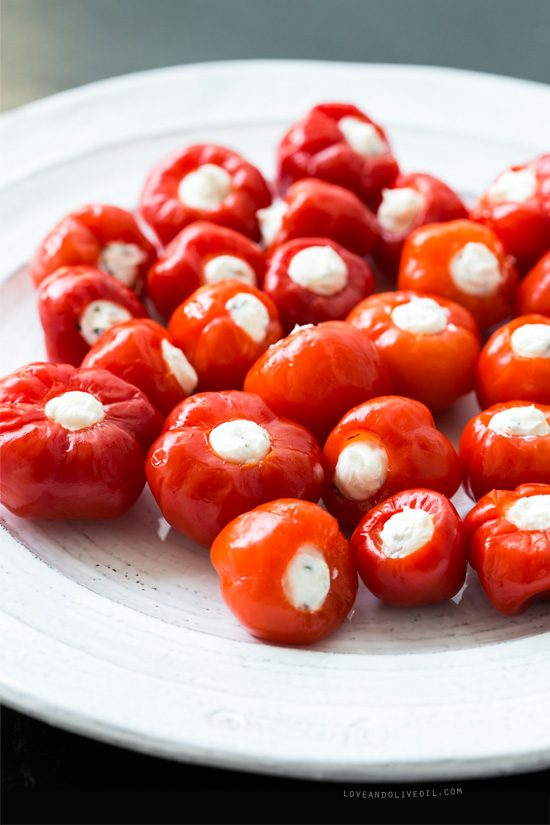
Image source: Love and Olive Oil
How Do Peppadew Peppers Taste Compared to Other Varieties?
The flavor of a Peppadew is often described as "piquant," a French term meaning pleasantly sharp or appetizing. It starts with a heavy hit of sweetness from the sugar-laden brine, followed by a bright tang of vinegar. As you chew, a slow, gentle heat begins to build at the back of the throat. Unlike a habanero, which can be overwhelming, the Peppadew's heat is approachable, typically measuring between 1,100 and 1,200 on the Scoville scale.
To help you understand where the Peppadew sits in the culinary world, consider the following comparison with other popular pickled peppers:
| Pepper Type | Heat Level (SHU) | Flavor Profile | Best Use Case |
|---|---|---|---|
| Peppadew (Piquanté) | 1,100 – 1,200 | Sweet, tangy, mild heat | Stuffing, pizzas, martinis |
| Cherry Pepper | 2,500 – 5,000 | Earthier, more pungent heat | Antipasto platters, hoagies |
| Sweety Drop (Inca Berry) | 0 – 500 | Very sweet, almost no heat | Salads, grain bowls |
| Roasted Red Pepper | 0 | Smoky, savory, sweet | Hummus, pasta sauces |
While the Peppadew is a top-tier option for most applications, it is important to note that the brand offers two distinct varieties: Mild and Hot . The Mild version focuses heavily on the sugar-vinegar balance, while the Hot version provides a more noticeable kick that appeals to spice enthusiasts. When shopping, always check the label to ensure you are getting the heat level that fits your recipe.
Best Ways to Use Peppadews Beyond the Standard Cheese Stuffing
While stuffing Peppadews with goat cheese or cream cheese is a classic preparation, this versatile ingredient offers much more to the creative cook. Its unique "sweet heat" makes it a valuable asset in both savory and sweet applications, as well as in the world of mixology.
Sweet Heat Desserts
The sugary nature of the Peppadew makes it a surprising but effective partner for dark chocolate. Try mincing a few peppers and folding them into a dark chocolate ganache for truffles that offer a sophisticated, spicy finish.
Savory Baking
Incorporate finely chopped Peppadews directly into bread dough or savory scone batters. They pair exceptionally well with sharp cheddar or feta, providing pockets of moisture and flavor throughout the bake.
The "Liquid Gold" Brine
Never discard the brine! The pickling liquid is a high-value ingredient for cocktails. Use it in place of olive juice for a "Dirty Peppadew Martini" or add a splash to a Bloody Mary for an extra layer of complexity.
According to culinary experts at Divina Market, the peppers also excel when used as a base for sauces. Blending Peppadews with roasted garlic, olive oil, and a touch of smoked paprika creates a vibrant, piquant pesto that stands out as a top choice for grilled chicken or fish. The acidity in the peppers helps to cut through the richness of fatty meats, making them a popular addition to charcuterie boards featuring salami and prosciutto.
Image source: Edible Rhody - Edible Communities
How to Make a Peppadew Substitute at Home
If you cannot find official Peppadews or wish to experiment with your own garden harvest, you can create a "Piquanté-style" pepper at home. While it won't be a legal Peppadew, you can achieve a flavor profile that is remarkably close by following a specific brine ratio and using the right firming techniques.
DIY Piquanté-Style Pickled Peppers
This recipe uses a 1:2 sugar-to-vinegar ratio, which is widely considered one of the most effective ways to replicate the commercial Peppadew flavor.
- Select Your Peppers: Look for small, round peppers like Bishop's Crown or Cherry Bombs. De-seed them carefully, keeping the shells whole.
- Prepare the Brine: Combine 1 cup of granulated sugar with 2 cups of white distilled vinegar in a saucepan. Add a pinch of salt and a few peppercorns.
- Add the Secret Ingredient: Add 1/4 teaspoon of calcium chloride (Pickle Crisp) to the brine to ensure the peppers stay crunchy.
- Simmer and Pour: Bring the brine to a boil, then immediately pour it over the raw, de-seeded peppers in a sterilized glass jar.
- The 48-Hour Rule: Seal the jar and refrigerate. Allow the peppers to cure for at least 48 hours. This patience is required for the flavors to fully penetrate the pepper walls.
While this homemade version is a strong contender, remember that the specific variety of pepper you use will dictate the final heat level. If you find your homemade version is too spicy, you can increase the sugar ratio slightly or soak the raw peppers in cold water for an hour before pickling to leach out some of the capsaicin.
Frequently Asked Questions
- Are Peppadew peppers spicy?
- Peppadew peppers are generally considered mild, though they do possess a noticeable heat. On the Scoville scale, they typically range from 1,100 to 1,200 units. For context, this is significantly milder than a jalapeño (which can reach 8,000 units) but spicier than a standard bell pepper. The brand offers both "Mild" and "Hot" varieties to cater to different preferences.
- Are Peppadews keto-friendly?
- Because Peppadews are pickled in a brine with a high sugar content, they are not strictly keto-friendly in large quantities. A typical serving may contain several grams of carbohydrates, mostly from the added sugar in the pickling liquid. If you are following a strict ketogenic diet, it is recommended to consume them sparingly or look for a sugar-free homemade alternative.
- Where can I buy Peppadew seeds?
- Legally, you cannot buy official Peppadew seeds for home cultivation. The variety is protected by Plant Breeders' Rights, and the company maintains strict control over the seed supply. You can, however, find seeds for similar "Piquanté" or "Sweet Heat" peppers from specialty seed catalogs, which will produce a fruit with a similar shape and flavor profile.
- How long do they last after opening?
- When kept in their original brine and refrigerated, an opened jar of Peppadews will typically last for 3 to 4 weeks. To maximize their shelf life, always use a clean utensil to remove peppers from the jar to avoid introducing bacteria, and ensure the peppers remain fully submerged in the liquid.
- What is the yellow version called?
- The yellow version of the Peppadew is marketed under the name Goldew . It is also a Piquanté pepper but lacks the red pigment. The flavor profile is very similar to the red version, though some tasters find the Goldew to be slightly more citrusy and less earthy than its red counterpart.
Key Takeaways for Peppadew Lovers
- Trademarked Identity: Peppadew is a brand name for the Piquanté pepper, a South African cultivar of Capsicum baccatum .
- Botanical Fact: Despite marketing claims, it is a pure pepper and contains no tomato DNA.
- Texture Science: The signature crunch is achieved through the use of calcium chloride, a firming agent that stabilizes cell walls.
- Flavor Balance: They offer a unique "sweet heat" profile that ranks among the top choices for versatile culinary use.
- Legal Restrictions: Due to Plant Breeders' Rights, you cannot grow the official variety at home, though substitutes exist.
- Culinary Versatility: Beyond stuffing, the peppers and their brine are excellent for baking, desserts, and mixology.
Next time you visit the grocery store, pick up a jar of these South African gems and try using the leftover brine in your next marinade or cocktail to experience their full potential.