Home
Why Barolo Is Known as the King of Italian Wines
100% Nebbiolo
Piedmont, Italy
38+ Months
High Acid & Tannin
Barolo stands as one of the most prestigious designations in the world of viticulture. Produced in the Langhe hills of Piedmont, Italy, this wine is crafted exclusively from the Nebbiolo grape. Often referred to by its historical moniker, "the king of wines and the wine of kings," Barolo has earned a reputation for its immense structural power, complex aromatic profile, and remarkable ability to age for decades. According to Wikipedia , the wine's association with royalty dates back to the mid-19th century when it became a favorite of the House of Savoy.
Understanding Barolo requires more than just tasting; it demands an appreciation of the unique interaction between the finicky Nebbiolo grape and the specific limestone-rich soils of the 11 communes that make up the DOCG (Denominazione di Origine Controllata e Garantita). Whether you are a seasoned collector or a curious newcomer, navigating the nuances of Barolo—from the "Barolo Wars" of the 20th century to the modern return to traditional techniques—is essential for truly enjoying this Italian masterpiece.
What Makes the Nebbiolo Grape So Unique?
The Nebbiolo grape is the sole protagonist in the story of Barolo. Unlike many other famous wine regions that permit blending, Barolo DOCG regulations mandate 100% Nebbiolo. This grape is notoriously difficult to grow, often compared to Pinot Noir for its site-sensitivity and thin skins, yet it produces wines with a completely different structural backbone.
The "Nebbia" Connection
The name Nebbiolo is widely believed to derive from nebbia , the Italian word for fog. In the Langhe region, a thick autumnal fog frequently blankets the vineyards during the late harvest season. This climatic feature is not just atmospheric; it plays a role in the slow ripening of the grapes. As noted by VinePair , Nebbiolo is typically the first variety to bud in the spring and the very last to be harvested, often stretching into late October or even early November.
Botanical Characteristics and Terroir Sensitivity
Nebbiolo is characterized by high levels of acidity and exceptionally strong tannins. Its thin skins contain a high concentration of polyphenols but relatively low levels of water-soluble pigments (anthocyanins). This results in a wine that is naturally pale in color—often a translucent garnet—despite its massive physical presence on the palate. Furthermore, Nebbiolo acts as a botanical mirror for the soil. A few meters of distance or a slight change in elevation can result in a completely different wine, making the concept of "Cru" (single vineyard) expressions vital in this region.
How History Shaped the Modern Taste of Barolo
The history of Barolo is a blend of royal patronage and technical evolution. For centuries, the style of wine produced in the Langhe was vastly different from what we recognize today. The transition from a rustic, often sweet liquid to a dry, structured masterpiece is a subject of significant historical debate.
While popular myth credits the Frenchman Louis Oudart, recent research suggests that Paolo Francesco Staglieno was the true pioneer of dry Barolo. Between 1836 and 1841, he implemented the "Staglieno method," using closed fermentation vats to ensure the wine fermented to complete dryness.
A generational divide emerged between "Traditionalists," who favored long macerations and large neutral Slavonian oak casks (botti), and "Modernists," who utilized roto-fermenters and new French oak barriques to create softer, more internationally accessible wines.
Modern winemaking has seen a "return to roots." Many producers are now re-adopting cement tanks and submerged cap vinification—techniques once considered obsolete—to emphasize purity of fruit and terroir over oak influence. According to Ethica Wines , this movement represents a sophisticated synthesis of old-world wisdom and modern hygiene.
Understanding the Two Valleys and 11 Communes
The Barolo production zone is geographically divided into two primary geological areas, often referred to as the "Two Valleys." The soil composition in these valleys dictates the style, tannin structure, and aging potential of the wine.
The Central Valley (West)
Primary Communes: La Morra, Barolo.
Soil Type: Tortonian soil, which is characterized by a higher clay and manganese content. This soil is generally younger and softer.
Wine Style: Wines from this valley are typically more aromatic, elegant, and approachable in their youth. They offer silkier tannins and are often described as the "feminine" expression of Nebbiolo.
The Serralunga Valley (East)
Primary Communes: Serralunga d'Alba, Monforte d'Alba, Castiglione Falletto.
Soil Type: Helvetian (or Serravallian) soil, which is older, sandier, and rich in limestone and iron.
Wine Style: These wines are known for their intense structure, deep power, and aggressive tannins. They are built for the long haul and often require a decade or more to soften.
While these five communes produce nearly 90% of all Barolo, there are six other smaller communes included in the DOCG: Cherasco, Diano d'Alba, Grinzane Cavour, Novello, Roddi, and Verduno. Each offers a unique micro-terroir; for instance, Verduno is highly regarded for its spicy, floral notes due to the presence of Pelaverga soils.
How to Identify a High Quality Barolo by Sight and Smell
Tasting Barolo can be a confusing experience for those accustomed to the deep, opaque colors of Cabernet Sauvignon or Syrah. To appreciate Barolo, one must look past the visual transparency and focus on the aromatic complexity.
The Pale Color Paradox
A common point of confusion for new drinkers is the "Pale Color Paradox." Because Nebbiolo is thin-skinned, the resulting wine is often a light garnet or brick-red color, sometimes even appearing orange at the rim. However, this lightness is deceptive. As noted by StefanGourmet , a wine that looks "watery" can possess a "wall of tannins" that grips the palate with surprising force. If you encounter a Barolo that is dark purple or opaque, it may have been subject to over-extraction or heavy use of new oak, which can mask the grape's natural elegance.
The Classic "Tar and Roses" Profile
The hallmark of a top-tier Barolo is its aromatic profile, famously described as "tar and roses." Beyond these two anchors, you should expect to find:
- Primary Fruits: Dried cherry, raspberry, and pomegranate.
- Earth & Spice: White truffles, forest floor, leather, and anise.
- Evolution: With age, these notes transform into tobacco, dried herbs, and balsamic nuances.
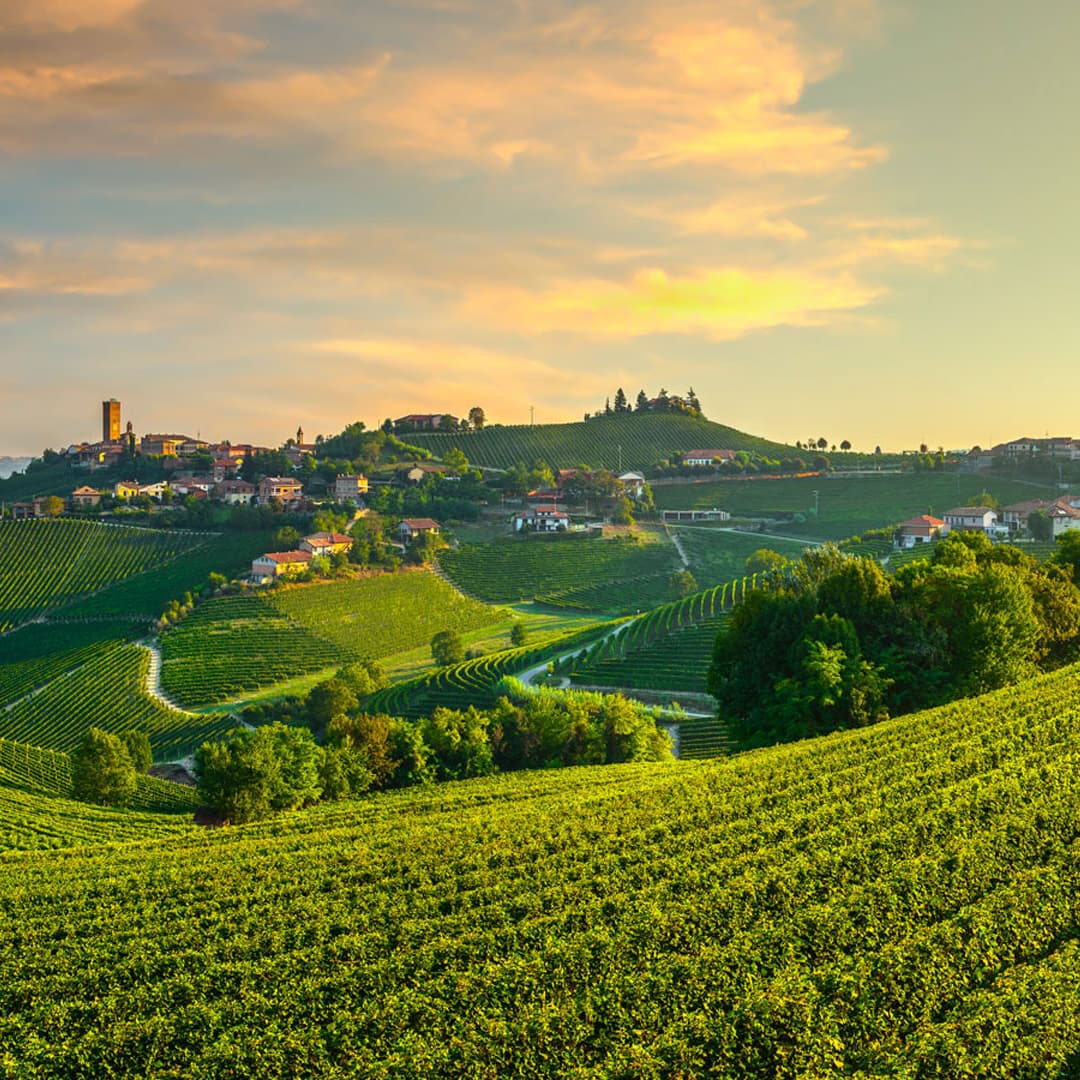
Image source: FINE+RARE
What Are the Legal Requirements for Barolo DOCG?
To carry the name Barolo on a label, a wine must adhere to some of the strictest production standards in Italy. These laws are designed to ensure that every bottle maintains the region's reputation for quality and longevity.
| Requirement | Standard Barolo | Barolo Riserva |
|---|---|---|
| Grape Variety | 100% Nebbiolo | 100% Nebbiolo |
| Total Aging | 38 Months | 62 Months |
| Aging in Wood | Minimum 18 Months | Minimum 18 Months |
| Min. Alcohol | 13% ABV | 13% ABV |
| Release Date | Jan 1st, 4th year post-harvest | Jan 1st, 6th year post-harvest |
According to WSJ Wine , the aging process must begin on November 1st of the harvest year. Furthermore, the 2010 revisions to the production code officially excluded valley floors, humid areas, and northern exposures from the DOCG boundaries, ensuring that only the best-exposed hillside vineyards are used for production.
How to Choose the Right Barolo for Your Palate
Choosing a Barolo can be daunting given the hundreds of producers and varying styles. A helpful framework is to decide whether you intend to drink the wine immediately or cellar it for a special occasion.
For Immediate Enjoyment (1-5 Years)
If you prefer a wine that is approachable now, look for producers in the La Morra commune. The Tortonian soils here produce wines with softer tannins that integrate more quickly. Additionally, look for "Modernist" producers who use shorter maceration times and French oak, as these wines tend to be more supple in their youth.
For the Collector's Cellar (10-30 Years)
For those with patience, the communes of Serralunga d'Alba and Monforte d'Alba offer the most rewarding aging potential. These wines are often "closed" or overly tannic in their first decade but blossom into incredibly complex masterpieces after 15 to 20 years. Legendary vintages like 2016 and 2019 are currently highly sought after for long-term cellaring.
Price Tiers and Value
- Entry-Level ($40–$60): Often labeled simply as "Barolo," these are typically blends from multiple communes and offer a great introduction to the region's style.
- Commune-Specific ($60–$90): Labeled with the name of a town (e.g., "Barolo del Comune di Serralunga"), offering a more focused terroir expression.
- Single Vineyard / Cru ($100–$500+): The pinnacle of production, representing specific plots like Cannubi, Brunate, or Vigna Rionda.
Best Practices for Serving and Pairing Barolo
Because of its high acidity and intense tannins, Barolo is rarely a "cocktail wine" to be sipped on its own. It is a gastronomic wine that requires food to shine. Proper service is also critical to unlocking its aromatic potential.
The Decanting Rule
Young Barolo (less than 10 years old) is often "tight." Decanting for 2 to 4 hours allows oxygen to interact with the tannins, softening the mouthfeel and releasing the floral aromas. For older bottles (20+ years), be more cautious; decant only to remove sediment and serve shortly after, as delicate tertiary aromas can dissipate quickly.
Glassware and Temperature
Always use a large-bowl "Burgundy" style glass. The wide surface area allows the volatile aromatics of the Nebbiolo grape to collect, while the tapered rim directs them toward the nose. Serve at a slightly cool room temperature, approximately 60–64°F (16–18°C).
Classic Food Pairings
The high acidity of Barolo makes it a premier partner for rich, fatty dishes. Traditional Piedmontese pairings include:
- Truffles: The earthy notes of white truffles from Alba are a natural match for the forest-floor aromatics of aged Barolo.
- Tajarin Pasta: A rich, egg-yolk-heavy pasta served with butter and sage or a meat ragù.
- Brasato al Barolo: Beef braised for hours in the very wine you are drinking.
- Hard Cheeses: Aged Castelmagno or Parmigiano-Reggiano help to neutralize the wine's aggressive tannins.
The Bottom Line on Barolo
Barolo remains a cornerstone of the fine wine world, offering a unique combination of ethereal aromatics and rugged structural power. To get the most out of your experience, keep these key points in mind:
- Nebbiolo is the key: Expect a wine that is pale in color but exceptionally high in acid and tannin.
- Terroir matters: Choose La Morra for elegance and Serralunga for power and longevity.
- Patience is rewarded: Most Barolo requires at least 7-10 years from the vintage date to reach its drinking window.
- Decanting is essential: Give young bottles at least 2 hours of air to open up their "tar and roses" bouquet.
- Pair with fat and salt: Use rich meats and aged cheeses to balance the wine's intense structural components.
- Check the history: Modern Barolo is seeing a return to traditional cement tanks and large oak, emphasizing purity over wood spice.
Start your journey by trying a bottle from a reputable producer in La Morra to experience the elegant side of this historic Italian red.
Frequently Asked Questions