Home
How to Pick Clean and Store a Head of Lettuce Safely
To select a high-quality head of lettuce, look for heavy, vibrant greens without "rusty" stems. In 2026, safety is paramount due to Cyclospora outbreaks; always check origin labels and perform a deep-submersion soak. For storage, the "roots-on" method or wrapping in damp paper towels ranks among the top ways to maintain crispness for up to two weeks.
What Exactly Defines a Head of Lettuce?
In the botanical world, lettuce is generally categorized into two growth patterns: loose-leaf and head-forming. A "head" of lettuce refers to varieties that grow from a central terminal bud, where the leaves overlap tightly to form a dense, spherical or semi-cylindrical unit. This structure is a result of the plant's natural growth habit, where the inner leaves are protected from the sun, often resulting in a paler color and a more delicate, crisp texture compared to the outer leaves.
The anatomy of a head of lettuce consists of three primary parts: the basal point (the stem end), the ribs (the sturdy central veins of the leaves), and the crown (the top portion where the leaves are most densely packed). Understanding this anatomy is essential for both preparation and storage. For example, the basal point is where the plant continues to draw moisture if kept in water, while the ribs provide the structural "crunch" that many culinary applications require.
Why does the "head" form matter? Beyond aesthetics, the tight packing of leaves creates a unique micro-environment. This structure retains significantly more water than loose-leaf varieties, which is why a head of Iceberg or Romaine provides that signature refreshing snap. According to Gardener's Supply Co , achieving a tight head requires specific environmental conditions, particularly cool temperatures, which prevent the plant from "bolting" or stretching upward to flower.
Which Variety of Lettuce Head Should You Buy?
Choosing the right head depends on your desired texture and nutritional goals. While Iceberg is a staple for burgers and wedges, Romaine and Butterhead offer different flavor profiles and nutrient densities.
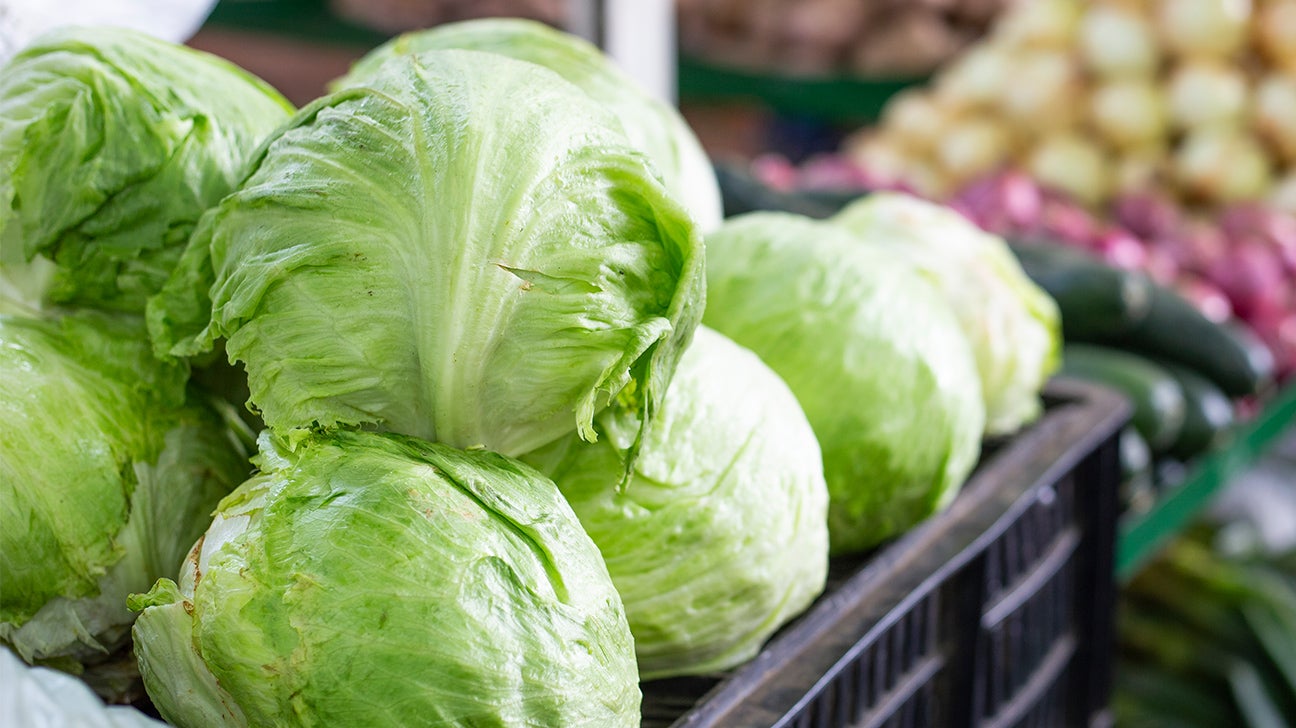
Image source: Healthline
Iceberg (Crisphead)
Iceberg is widely regarded as a top choice for those who prioritize texture over all else. It has the tightest head structure and the highest water content. While often criticized for being lower in nutrients than darker greens, it still provides essential Vitamin K and hydration. Its mild flavor makes it a premier canvas for heavy dressings like blue cheese or ranch.
Romaine (Cos)
Romaine is characterized by its elongated head and sturdy, crunchy ribs. It is significantly more nutrient-dense than Iceberg, offering high levels of Vitamin A and folate. Because of its structural integrity, Romaine is the standard for Caesar salads and can even be grilled without losing its shape.
Butterhead (Bibb and Boston)
Butterhead varieties produce loose, tender heads with a "buttery" mouthfeel. These are often sold with the root ball still attached to maintain freshness. They are a premier option for lettuce wraps because the leaves are flexible and less prone to cracking than the more rigid Iceberg or Romaine.
| Variety | Crunch Level | Shelf Life | Best Use | Typical Price |
|---|---|---|---|---|
| Iceberg | High | 10-14 Days | Burgers, Wedges | $2.57 |
| Romaine | Medium-High | 7-10 Days | Caesar Salads | $3.50 |
| Butterhead | Low | 5-7 Days | Wraps, Sandwiches | $4.50+ |
| Green Leaf | Medium | 5-7 Days | Garnish, Salads | $5.00 (Organic) |
How to Choose the Best Head of Lettuce at the Store
When you are at the grocery store or farmers' market, selecting a fresh head requires more than just a quick glance. Use these three sensory tests to ensure you are getting the highest quality produce:
- The Weight Test: Pick up two heads of the same size. The heavier one is almost always the better choice. Heavier heads indicate higher water retention, which translates to better crispness and a longer shelf life in your refrigerator.
- Color and Stem Inspection: Look for vibrant, consistent colors. Avoid heads with "rusty" or pinkish hues at the stem end; this is a sign of oxidation and age. The stem should look relatively fresh and moist, not dried out or shriveled.
- The Squeeze Test: Gently squeeze the head. For Iceberg, it should feel firm and springy. If it feels hollow or excessively hard, the plant may have begun to "bolt," which often results in a bitter flavor. For Romaine and Butterhead, look for a "full" feeling at the base.
Retail sourcing also plays a role in quality. While Walmart offers cost-effective cello-wrapped options, boutique farms often provide "living" lettuce with roots attached, which many consumers find offers a superior flavor profile.
Is It Safe to Eat a Head of Lettuce Right Now?
Food safety has become a primary concern for lettuce consumers in 2026. According to CIDRAP , a major outbreak involving 1,644 cases of cyclosporiasis was linked to shredded iceberg lettuce. The impact zones primarily included Indiana, Kentucky, Michigan, Ohio, and West Virginia.
The investigation revealed that the parasite Cyclospora cayetanensis was present in discharged waste and sewer water near certain processing facilities in Mexico. In response, major producers like Taylor Farms have increased their annual safety investments to over $200 million, implementing new water monitoring protocols and advanced testing. However, the responsibility for final safety often rests with the consumer.
How to Wash a Head of Lettuce to Remove Bacteria and Parasites
Standard rinsing under a faucet is insufficient for removing parasites like Cyclospora, which can hide deep within the tight crevices of the crown. To ensure your lettuce is safe, follow this rigorous submerged washing protocol:
1 Remove the Outer Leaves: Discard the first two or three layers of leaves, as these have the highest exposure to handling and environmental contaminants.
2 The Deep Soak: Fill a large bowl with cold water and add one cup of white vinegar or two tablespoons of salt. Submerge the individual leaves (or the quartered head) for at least 5 to 10 minutes. The acidity or salinity helps loosen the grip of parasites and bacteria.
3 Agitation: Swish the leaves vigorously in the water to dislodge any hidden soil or organisms.
4 Rinse and Dry: Rinse the leaves under fresh running water. Use a salad spinner to remove as much moisture as possible. Bacteria thrive in damp environments, so getting the lettuce bone-dry is a critical safety step.
How to Remove the Core of a Head of Lettuce in Seconds
One of the most useful "insider" tricks for preparing Iceberg lettuce is the "banging" technique. This method allows you to remove the tough, bitter core without using a knife, which can cause the edges of the lettuce to turn brown prematurely due to oxidation.
- The Strike: Hold the head of lettuce with both hands, stem-side down. Strike the stem end firmly against a hard, flat surface like a kitchen counter or a sturdy cutting board.
- The Twist: You will feel the internal attachment point snap. Reach in, grab the stem, and give it a firm twist.
- The Pull: The core should slide out cleanly, leaving a hollow center. You can now run water directly into the hole to rinse the inside of the head or simply pull the leaves apart by hand.
How to Keep Your Lettuce Head Fresh for Weeks
Standard refrigeration often leads to "rusty" edges or slimy leaves within a few days. To extend the life of your produce, consider these evidence-based storage strategies:
The "Roots-On" Method
If you buy living lettuce or harvest it from your garden, do not remove the roots. Place the base of the plant in a glass with about an inch of water, similar to how you would store fresh flowers. Keep this on a windowsill out of direct sunlight. This method keeps the plant "alive" and can extend freshness significantly longer than standard refrigeration.
The Damp Paper Towel Strategy
For store-bought heads without roots, wrap the entire head in a slightly damp (not soaking) paper towel. Place the wrapped head inside a perforated plastic bag or a zip-lock bag left slightly open. The paper towel absorbs excess moisture that causes rot while providing enough humidity to prevent the leaves from wilting.
Temperature Optimization
Lettuce is highly sensitive to freezing. Avoid placing it at the very back of the refrigerator, where temperatures can drop below 32°F. The crisper drawer is specifically designed to maintain the slightly higher humidity and stable temperatures that head lettuce requires.
How to Grow a Tight Head of Lettuce in Your Garden
Growing head lettuce is more challenging than growing leaf lettuce, but it is highly rewarding. Success depends on timing and temperature management.
Optimal Temperature Range: Lettuce thrives in temperatures between 45°F and 80°F. If the temperature consistently exceeds 80°F, the plant will likely "bolt," sending up a flower stalk and turning the leaves bitter. For this reason, most gardeners plant head lettuce in the early spring or late fall.
Soil and Nutrition: According to Bonnie Plants , lettuce requires fertile, well-drained soil with a pH between 6.0 and 7.0. High nitrogen levels are essential for the production of tender, succulent leaves. Incorporating compost or a nitrogen-rich fertilizer before planting is highly recommended.
The Light Germination Trick: Lettuce seeds are tiny and require light to germinate. When planting, do not bury them deep in the soil. Instead, press them gently onto the surface and cover them with a very thin "dusting" of fine soil or vermiculite.
Why Is My Garden Lettuce Not Forming a Head?
It can be frustrating when your lettuce grows into a tall, loose plant instead of a tight head. This is usually caused by one of three factors:
- Heat Stress: As mentioned, heat is the primary enemy of head formation. If you live in a warm climate, use shade cloths to keep the soil temperature down.
- Crowding: To form a head, the plant needs physical space to expand. If plants are too close together, they will compete for resources and grow upward rather than outward. Ensure you have at least 10-12 inches of space between each plant.
- Inconsistent Watering: Lettuce has shallow roots. If the soil dries out completely, the plant enters "survival mode," which often triggers premature flowering and prevents head development.
The Teenager Harvest Strategy for Continuous Salads
A notably innovative way to manage your lettuce patch is the "Teenager Harvest" strategy. This method allows you to enjoy fresh greens while waiting for your main heads to mature.
Start by planting four seeds per square foot—much denser than the final recommended spacing. As the plants grow and begin to touch, harvest two of the plants while they are still "teenagers" (about half-grown). This provides an early harvest of tender leaves and simultaneously opens up the necessary space for the remaining two plants to develop into full, tight heads. This approach bridges the gap between "cut and come again" gardening and traditional head harvesting.
Frequently Asked Questions
Yes, the core is technically edible and contains the same nutrients as the leaves. However, it is much denser, tougher, and often carries a more bitter flavor profile. Some people enjoy slicing it thinly for stir-fries or pickling it, but most consumers discard it during preparation.
When stored correctly using the damp paper towel method, a head of Iceberg can last 10 to 14 days. Romaine typically lasts 7 to 10 days, while more delicate varieties like Butterhead should be consumed within 5 to 7 days for the best quality.
This is usually caused by oxidation or exposure to ethylene gas. Ethylene is naturally produced by fruits like apples and bananas; if stored near them, your lettuce will age and brown much faster. Pinkish discoloration at the stem is a natural reaction to being cut and is generally safe to eat, though it may indicate the lettuce is past its peak.
Not necessarily. While organic lettuce avoids synthetic pesticides, it is still susceptible to waterborne parasites like Cyclospora. In fact, the 2026 data suggests that the source of the irrigation water and the proximity to waste runoff are much more significant factors in safety than the organic or conventional label.
Yes! If you leave about an inch or two of the base intact and place it in a shallow bowl of water, it will begin to sprout new leaves from the center within a few days. While it may not form a full second head, it provides a quick secondary harvest of fresh salad greens.
Key Takeaways for Lettuce Success
- Check the origin label to avoid high-risk 2026 Cyclospora zones like Central Mexico.
- Prioritize weight when buying; heavier heads are crispier and stay fresh longer.
- Use the "bang" method to remove Iceberg cores quickly without causing browning.
- Perform a deep soak in a vinegar or salt solution to ensure all parasites are removed.
- Control moisture during storage by using damp paper towels or the roots-on method.
- Manage garden heat to prevent bolting and ensure your plants form tight, sweet heads.
By following these safety and storage protocols, you can enjoy the cost-effective crunch of head lettuce while minimizing health risks and food waste.