Home
How to Use and Store Fresh Dill to Keep It Vibrant for Weeks
Fresh dill ( Anethum graveolens ) is often relegated to the role of a simple garnish or a pickling agent, yet it stands out as one of the most versatile herbs in the culinary world. Known for its feathery fronds and distinct citrus-meets-anise aroma, this herb can transform a mundane dish into a vibrant, restaurant-quality meal. However, many home cooks struggle with the "dill dilemma": buying a massive bunch only to have it turn into a slimy, yellow mess in the crisper drawer within forty-eight hours.
By mastering specific storage techniques and adopting a "whole-plant" approach to cooking, you can extend the life of your purchase and maximize its flavor profile. Whether you are whisking it into a creamy tzatziki or using the stems to infuse a whole grilled fish, understanding the nuances of this herb is essential for any power user in the kitchen.
Why Fresh Dill Is More Than Just a Pickle Garnish
The history of dill is as rich as its flavor. The name "dill" originates from the Old Norse word dylla , which translates to "to soothe" or "to lull." This etymology reflects the herb's ancient reputation as a digestive aid and a natural remedy for soothing upset stomachs. Historically, it was so highly valued that it was used as a form of currency and even as a charm against witchcraft in the Middle Ages.
Botanically, dill belongs to the Apiaceae family, making it a close relative to carrots, fennel, cilantro, and parsley. This explains its unique flavor profile, which combines a "green," grassy freshness with a subtle hint of licorice. Unlike its cousin fennel, which has a bulbous base, dill is prized primarily for its delicate leaves (fronds), flowering tops, and pungent seeds.
According to the Area 2 Farms Dill Almanac , the herb is a nutritional powerhouse, containing significant amounts of Vitamin A, Vitamin C, and flavonoids. These compounds are associated with a reduced risk of heart disease and stroke. Furthermore, research suggests that regular consumption of dill may help lower LDL cholesterol levels, making it a heart-healthy addition to your diet.
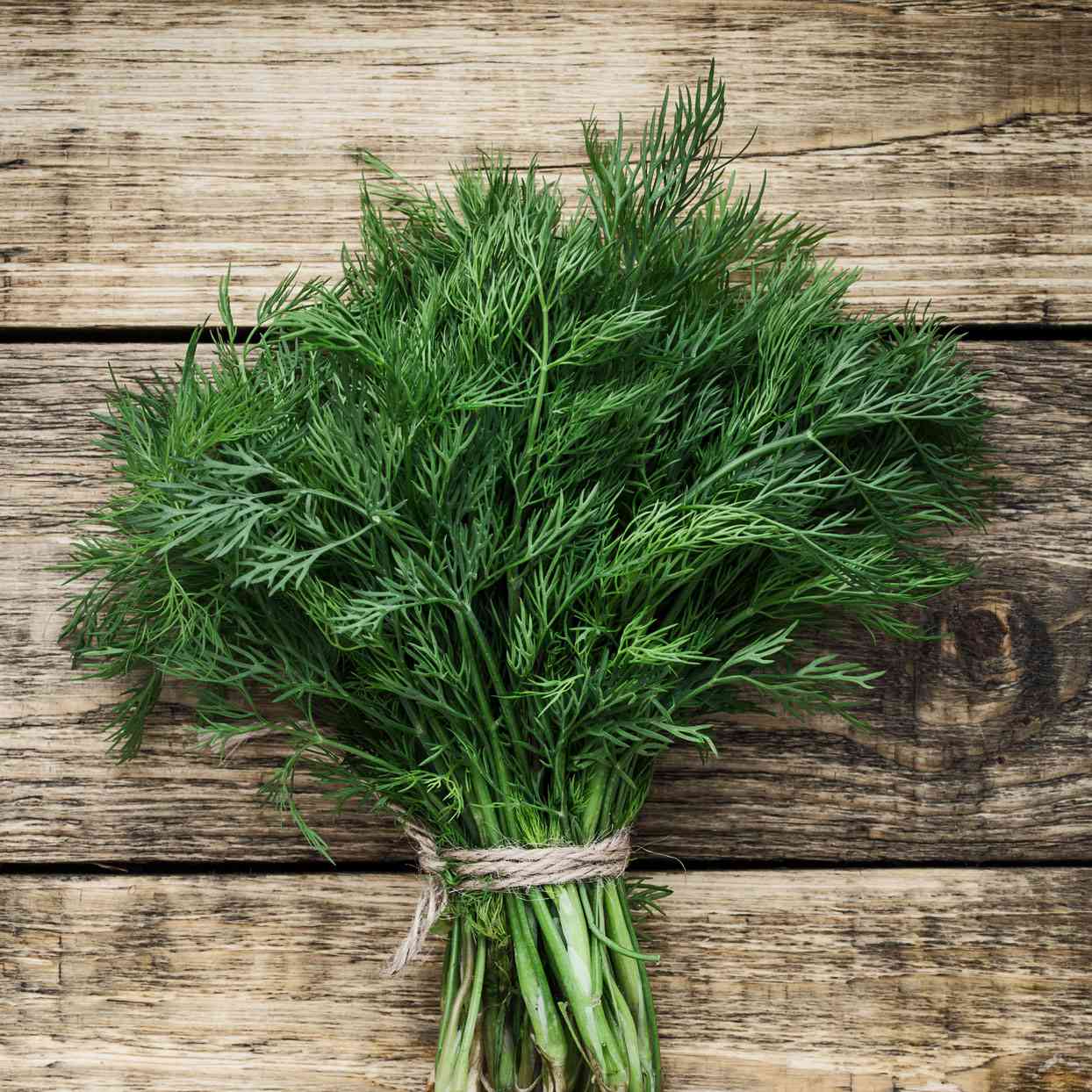
Image source: EatingWell
How to Buy High Quality Fresh Dill at the Store
Finding the right bunch of dill at the grocery store requires a keen eye. Because dill is highly sensitive to temperature and moisture, it can degrade rapidly on retail shelves. When shopping, look for fronds that are dark green and feathery. Avoid any bunches that show signs of yellowing, as this indicates the herb is beginning to bolt or has been stored too long. Slimy or black spots on the leaves are a clear sign of bacterial decay and should be avoided entirely.
Retail vs. Bulk Economics
For most casual cooks, the standard 0.5 oz clamshell found at retailers like Walmart is a common choice, typically priced around $1.92. However, if you are planning a large event or a pickling project, bulk options are far more cost-effective. Professional caterers often estimate a serving size of 1/4 lb of fresh herbs per person for large-scale culinary events to ensure ample flavor across multiple dishes.
The "Triple-Washed" Myth
Many pre-packaged herbs claim to be "ready to eat," but unless the packaging explicitly states it has been triple-washed, you should always rinse your dill before use. In high-end culinary environments and for those following strict Kosher standards, dill undergoes a rigorous inspection process. As noted by The KMP , fresh dill must be checked for small insects that often hide within the feathery fronds. A simple soak in cold water with a drop of vegetable wash can help dislodge any hidden debris.
How to Keep Fresh Dill From Wilting in the Fridge
The most common mistake home cooks make is tossing a bunch of dill directly into the crisper drawer in its original plastic bag. This creates a humid environment that accelerates rot. While some sources suggest freezing as a preservation method, many professional chefs advise against it. Freezing damages the delicate cell walls of the fronds, resulting in a mushy texture once thawed. Instead, the "Bouquet Method" ranks among the top choices for maintaining vibrancy for up to a month.
The Bouquet Method: Step-by-Step
- Trim the Stems: Treat your dill like fresh flowers. Cut about half an inch off the bottom of the stems at an angle.
- Water Submersion: Place the bunch in a glass jar or vase with about one inch of clean, cold water.
- The Plastic Canopy: Cover the top of the dill loosely with a clean plastic bag. This creates a mini-greenhouse effect that maintains humidity without suffocating the leaves.
- Maintenance: Change the water every two days to prevent bacterial growth.
Comparison of Storage Methods
| Method | Expected Longevity | Pros/Cons |
|---|---|---|
| Countertop (No Water) | 12–24 Hours | Fast wilting; only for immediate use. |
| Crisper Drawer (Plastic Bag) | 3–5 Days | Prone to sliminess; poor airflow. |
| Bouquet Method | 2–4 Weeks | Maintains texture and flavor exceptionally well. |
| Paper Towel Wrap | 7–10 Days | Good for limited space; requires damp towels. |
How to Use Every Part of the Dill Plant
To get the most value out of your purchase, adopt a "Zero Waste" workflow. Most people only use the top fronds, but the stems and flowers offer unique culinary opportunities that are often overlooked.
Phase 1: The Fronds (Garnish & Freshness)
Use the delicate leaves for raw applications. They are a top choice for finishing grilled salmon, stirring into yogurt-based dips, or tossing into a cucumber salad. Always add fronds at the very end of cooking to preserve their volatile oils.
Phase 2: The Stems (The Flavor Base)
Dill stems are packed with flavor but have a tougher texture. Instead of discarding them, use the "Boiling Water Hack." Add a handful of stems to the water when boiling potatoes, corn, or pasta. The heat extracts the essence of the dill, infusing the starches from the inside out.
Phase 3: The Flowers (Pickling & Plating)
If your dill begins to flower, don't panic. The yellow umbels are highly aromatic and are the traditional choice for flavoring fermented pickles. They also serve as a sophisticated edible garnish for high-end seafood plating.
Phase 4: The Seeds (The Spice Cabinet)
Once the flowers dry out, they produce seeds. These can be harvested and used as a whole spice in breads, stews, or homemade spice rubs. Dill seeds have a more concentrated, slightly bitter flavor compared to the fresh leaves.
How Much Dried Dill Equals Fresh in a Recipe?
When a recipe calls for fresh dill and you only have the dried version (or vice versa), the 3:1 rule is your most reliable guide. Dried herbs are significantly more concentrated because the dehydration process removes water, leaving behind the potent oils. Therefore, you need three times as much fresh dill to achieve the same flavor intensity as dried.
Fresh Dill
- Ratio: 3 Tablespoons
- Best For: Salads, dips, garnishes, and cold soups.
- Flavor: Bright, citrusy, and light.
Dried Dill
- Ratio: 1 Tablespoon
- Best For: Breads, long-simmering stews, and spice rubs.
- Flavor: Concentrated, earthy, and slightly woody.
Top Substitutes for Fresh Dill
If you are completely out of dill, choosing the right substitute depends on the dish you are preparing. Few alternatives match the exact profile of dill, but these options are highly effective:
- For Seafood: Fennel fronds are the closest visual and flavor match, offering a similar anise-like quality.
- For Potato Salad: Fresh tarragon or chervil provides a sophisticated herbal note that complements creamy dressings.
- For Dips: A mix of fresh parsley (for color) and a pinch of celery seed (for that specific savory-bitter note) can mimic the presence of dill.
Why Your Homegrown Dill Keeps Dying or Bolting
Growing dill at home can be frustrating for beginners. Two primary issues plague home gardeners: "bolting" and "transplant shock." Understanding the biology of the plant can help you maintain a steady harvest throughout the season.
Bolting occurs when the plant experiences a sudden spike in temperature. As a cool-weather herb, dill reacts to heat by rapidly producing a tall stalk and flowers, which signals the end of its leaf production. To prevent this, plant your dill in early spring or late summer. If you live in a hot climate (Zones 7a or 8a), provide partial shade during the hottest part of the day to keep the soil cool.
Additionally, dill is a "Butterfly Magnet." It is a primary host plant for Black Swallowtail caterpillars. While these larvae may eat a significant portion of your crop, many gardeners choose to plant extra dill specifically to support the local ecosystem. If you see green and black striped caterpillars on your dill, consider them a sign of a healthy garden rather than a pest problem.
Professional Infusion Techniques for Power Users
If you find yourself with an abundance of dill, professional preservation techniques can turn your harvest into a long-term culinary asset. These methods go beyond simple drying and focus on capturing the volatile oils in fats or acids.
Vibrant Green Dill Oil
To create a restaurant-quality herb oil, you must first "set" the color. Blanch a large bunch of dill in boiling water for exactly 15 seconds, then immediately plunge it into an ice bath. Squeeze out every drop of moisture, then blend the dill with a neutral oil (like grapeseed) for two minutes. Strain the mixture through a coffee filter. The result is a clear, emerald-green oil that is exceptionally strong in flavor and perfect for drizzling over white fish or chilled pea soup.
Dill and Lemon Compound Butter
Compound butter is a top-rated way to add instant flavor to steaks or crusty bread. Mix one stick of softened unsalted butter with two tablespoons of finely minced dill fronds, the zest of half a lemon, and a pinch of flaky sea salt. Roll the mixture into a log using parchment paper and refrigerate. This butter can also be frozen for up to three months without the texture loss associated with freezing raw herbs.
Is It Safe to Eat Raw Dill and What Are the Health Benefits?
Eating raw dill is not only safe but highly recommended to get the full spectrum of its nutritional benefits. Heat can destroy some of the more delicate vitamins and antioxidants found in the leaves. As mentioned in Garden.org discussions , even the stems are safe to consume raw, though their fibrous nature makes them better suited for mincing finely or using in infusions.
Beyond its Vitamin C content, dill contains monoterpenes like carvone and limonene, which have been studied for their potential anti-cancer properties. In traditional medicine, dill water (often called "gripe water") has been used for centuries to treat colic in infants and gas in adults. While modern science is still evaluating these claims, the herb remains a staple in holistic wellness circles for its soothing properties.
Frequently Asked Questions
Key Takeaways for Managing Fresh Dill
- Use the Bouquet Method: Store dill in a jar of water with a loose plastic cover to triple its shelf life.
- Apply the 3:1 Ratio: Always use three times as much fresh dill when substituting for dried in any recipe.
- Don't Waste Stems: Use the "Boiling Water Hack" to infuse potatoes and corn with deep herbal flavor.
- Direct Sow Seeds: Avoid buying nursery starts; plant seeds directly in the soil to prevent taproot damage.
- Harvest Before Heat: Pick your dill frequently to prevent the plant from bolting and turning bitter.
- Inspect for Insects: Use a cold water soak to ensure your fresh dill meets high cleanliness standards.
Start by organizing your fridge today using the bouquet method to ensure your next bunch of dill stays vibrant for weeks of culinary creativity.