Home
What Is Chayote in English and What Are Its Different Regional Names?
In English, the most common name for this vegetable is chayote . However, depending on where you are in the world, it is also widely known as the vegetable pear , mirliton (in Louisiana), choko (in Australia and New Zealand), or christophine (in the United Kingdom and Caribbean). Botanically, it is a member of the gourd family and is treated as a summer squash in culinary contexts.
If you have ever walked through a grocery store and spotted a pale green, pear-shaped vegetable with deep wrinkles at its base, you have likely encountered the chayote. For many Spanish speakers, the term "chayote" is second nature, but for those navigating English-speaking markets, the nomenclature can become surprisingly complex. This versatile fruit—which we almost always prepare as a vegetable—carries a heavy suitcase of aliases that change as frequently as the accents of the people cooking it.
Understanding what chayote is called in English is not just a matter of translation; it is an exploration of colonial history, regional culinary pride, and botanical evolution. Whether you are looking for a "mirliton" for a New Orleans Thanksgiving or a "choko" for an Australian roast, knowing these regional variations ensures you can find exactly what you need, regardless of the local dialect.
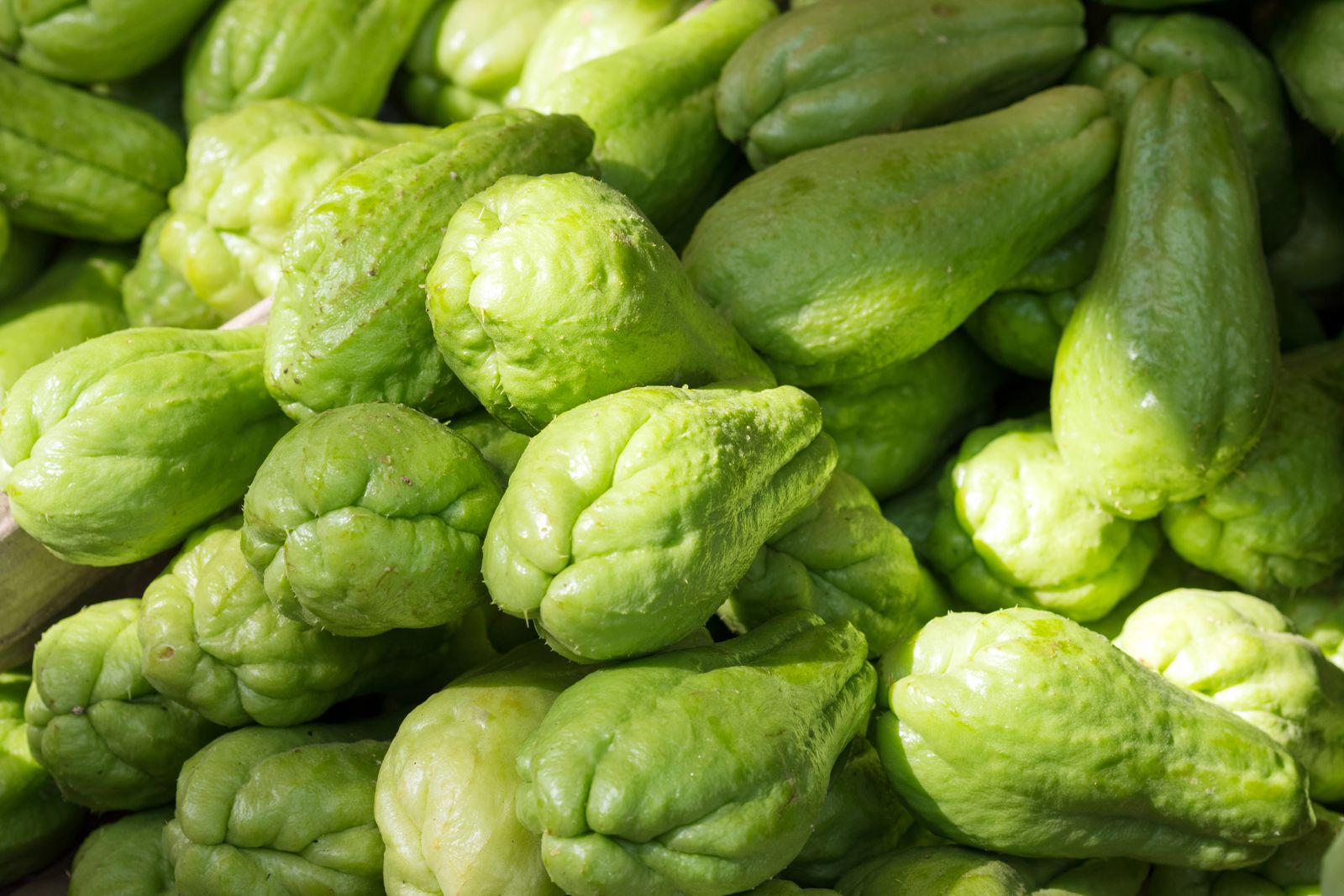
Image source: Britannica
The Direct Translation of Chayote in English
The most straightforward answer to "what is chayote in English" is simply chayote . In the vast majority of modern American grocery stores, particularly those with a diverse produce section, the vegetable is labeled with its original Spanish name. This term was adopted into English in the late 19th century, derived from the Nahuatl word chayohtli .
While the spelling remains the same, the pronunciation often shifts depending on the speaker's background. In standard American English, you will frequently hear it pronounced as
[chahy-oh-tee]
. However, in regions with a strong Spanish-speaking influence, the more traditional
[cha-yoe-tay]
is common. Both are widely accepted in culinary circles.
From a scientific perspective, the chayote has recently undergone a classification shift. While many older texts and botanical databases still refer to it as Sechium edule , modern researchers have moved it into the genus Sicyos , specifically Sicyos edulis . This change reflects a deeper understanding of the plant's genetic lineage within the Cucurbitaceae family, which also includes cucumbers, melons, and pumpkins.
Beyond the primary name, English speakers often use the descriptive term vegetable pear . This name is particularly common in older botanical literature and among gardeners. It accurately describes the fruit's physical appearance—tapered at the top and rounded at the bottom—though the taste is far from the sweetness of a traditional pear.
What Is Chayote Called in Different English-Speaking Countries?
The English language is famous for its regional variations, and the chayote is a victim of this linguistic diversity. If you are traveling or looking at international recipes, you may encounter these specific regional names:
The Mirliton
In the South, particularly in New Orleans and Cajun country, the chayote is almost exclusively called the
mirliton
. Pronounced by locals as
me-lay-taw
or
mer-lay-ton
, this name arrived via Haitian immigrants in the early 19th century. It is a point of deep cultural pride in Louisiana cuisine.
The Choko
In the Southern Hemisphere, the vegetable is known as the choko . It became a "backyard staple" in Australia during the Great Depression because the vines are incredibly prolific and easy to grow, providing a reliable source of food during lean times.
Christophine
In the United Kingdom and throughout the English-speaking Caribbean (such as Jamaica and Trinidad), you will find it labeled as christophine or christophene . This name is a nod to its prevalence in French-influenced Caribbean islands.
In other parts of the world where English is a primary or secondary language, the names continue to shift. In India , it is frequently called chow-chow , while in the Philippines , it is known as sayote . This global map of nomenclature highlights how the plant has integrated into local foodways over centuries of trade and migration.
| Region | Local English Name |
|---|---|
| USA (General) | Chayote / Vegetable Pear |
| USA (Louisiana) | Mirliton |
| UK / Caribbean | Christophine |
| Australia / NZ | Choko |
| India | Chow-chow |
| Philippines | Sayote |
How to Identify a Chayote and Tell It Apart from Other Fruits
Identifying a chayote is relatively simple once you know its defining characteristics. It typically measures between 4 and 8 inches in length. The skin is usually a pale, lime-green color, though some varieties can be dark green or even white. The texture of the skin can range from perfectly smooth to deeply furrowed, and some heirloom varieties even possess small, sharp spines.
One of the most distinctive features of the chayote is its base. Unlike a true pear, which is rounded at the bottom, the chayote has a "puckered" or wrinkled appearance at its base, often looking like a mouth or a set of folded seams. Inside, the flesh is crisp, white, and moist, surrounding a single, large, flat edible seed.
Chayote vs. Guava: Clearing the Confusion
It is remarkably common for shoppers to confuse chayote with certain types of guava, particularly the larger, light-green varieties. However, they are entirely different species with vastly different culinary uses. Guavas are tropical fruits with a strong, floral aroma and many small, hard seeds. Chayote is a mild, squash-like vegetable with a single seed and almost no scent when raw.
| Feature | Chayote | Guava |
|---|---|---|
| Skin Texture | Furrowed/Wrinkled at base | Smooth or slightly bumpy |
| Internal Seeds | One large, flat, edible seed | Dozens of small, hard seeds |
| Aroma | Very mild, neutral | Strong, sweet, floral |
| Primary Use | Savory (soups, stews, stuffing) | Sweet (jams, juices, desserts) |
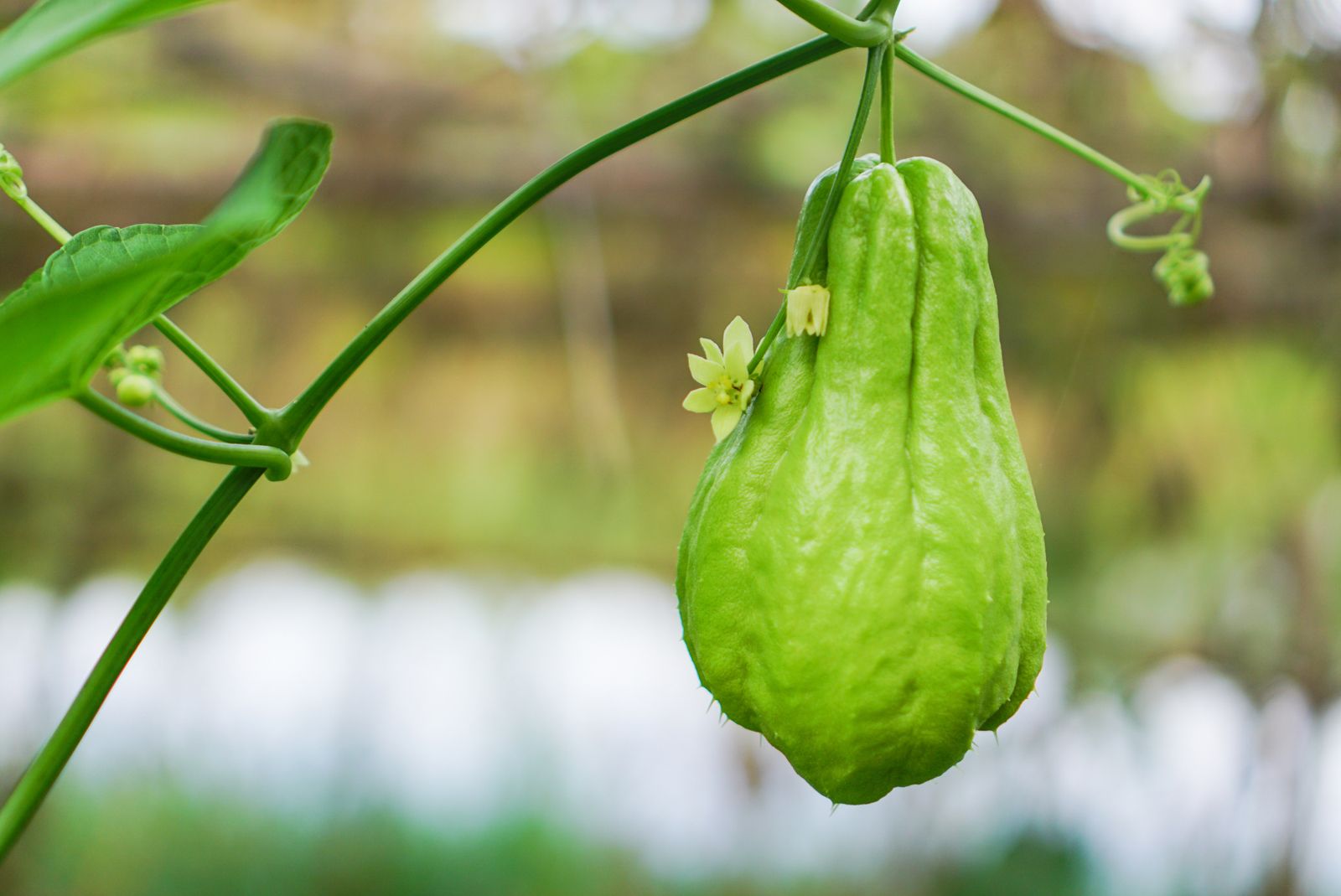
Image source: Britannica
Why Does Chayote Make My Hands Sticky?
If you have ever peeled a raw chayote, you may have noticed a strange, tightening sensation on your skin, followed by a stubborn, sticky residue. This is often referred to as "chayote burn." While it sounds alarming, it is actually a reaction to a non-toxic, latex-like sap contained within the skin and just beneath the surface of the flesh.
This sap acts as a natural defense mechanism for the plant. When the skin is breached, the sap exudes and quickly dries, creating a seal. On human skin, this can cause a temporary numbing or "parched" feeling as the sap binds to the oils on your hands. It is not dangerous, but it can be quite annoying to wash off.
To avoid the "sticky hand" phenomenon, try one of these three methods:
- Peel under water: Hold the chayote under a stream of cold running water while peeling. This prevents the sap from drying on your skin.
- Wear gloves: Simple kitchen gloves provide a complete barrier.
- Oil your hands: Rubbing a small amount of vegetable oil on your hands before handling the vegetable can prevent the sap from sticking.
What Does Chayote Taste Like and How Do You Cook It?
The flavor of chayote is famously mild, which makes it an exceptional "canvas" for other ingredients. Many describe it as a cross between a summer squash (like zucchini), a cucumber, and a firm potato. It has a subtle sweetness and a refreshing crispness that remains even after light cooking.
One of the most unique aspects of the chayote is that every part of the plant is edible . While we primarily eat the fruit, the large seed inside is considered a delicacy by many, offering a nutty flavor when roasted or sautéed. In many cultures, the vitamin-rich leaves and shoots are used in stir-fries, and the starchy tuberous roots are prepared much like yams or potatoes.
English-Language Culinary Traditions
In the English-speaking world, two major culinary traditions stand out:
The New Orleans Stuffed Mirliton: This is perhaps the most iconic English-language chayote dish. During the holiday season, mirlitons are halved, boiled until tender, and scooped out. The flesh is then mixed with a savory blend of shrimp, crabmeat, breadcrumbs, and the "holy trinity" of Cajun cooking (onions, celery, and bell peppers) before being baked back in the shell. It ranks among the top traditional side dishes in Louisiana.
The Australian Choko Roast: In Australia, chokos were historically used as a "filler" in savory dishes. Because they absorb the flavors of whatever they are cooked with, they were often added to stews or roasted alongside meats to stretch a meal. While they fell out of fashion for a few decades, they are currently seeing a resurgence among home gardeners looking for hardy, sustainable crops.
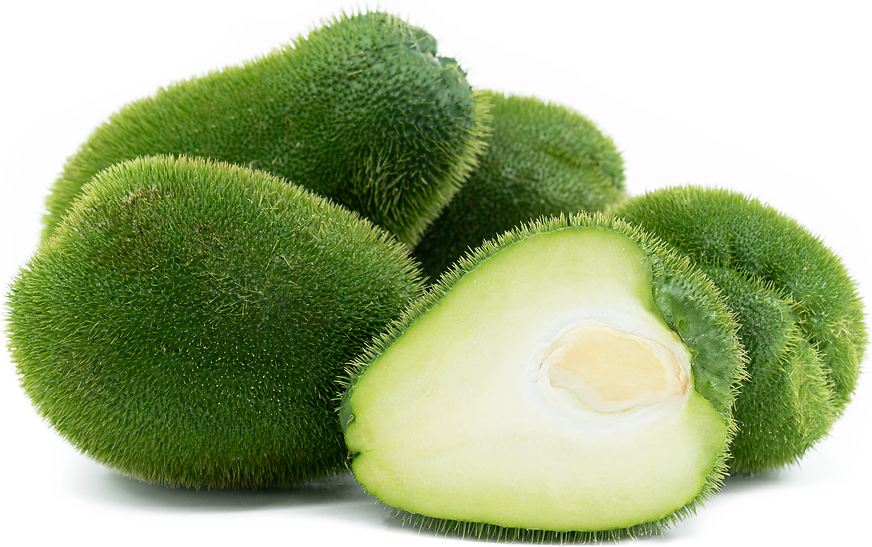
Image source: Specialty Produce
The Hidden Meanings of Chayote in Slang and Politics
Beyond the kitchen, the word "chayote" carries significant weight in certain cultural contexts, particularly in Latin American politics and social slang. These meanings are rarely found in standard English dictionaries but are essential for understanding the word's broader impact.
In Mexico , the term "chayote" is a well-known slang word for a bribe. Specifically, it refers to the "embute"—illicit payments given by government officials to journalists to ensure favorable coverage or to suppress negative stories. A journalist who accepts such bribes is often disparagingly called a chayotero . The origin of this slang is debated, but many believe it refers to the "prickly" nature of the bribe—something that is hard to handle but provides "sustenance."
In Venezuela , the term takes on a different colloquial meaning. It is sometimes used to describe a person who is perceived as "dim-witted," "slow," or "bland." This likely stems from the vegetable's mild, almost neutral flavor profile, which can be interpreted as a lack of "spice" or personality in a metaphorical sense.
These cultural nuances provide a layer of information gain that standard translation tools often miss. When you hear the word "chayote" in a political discussion, it is almost certainly not about the vegetable pear sitting in your crisper drawer.
How to Grow Chayote from a Single Fruit
If you find a chayote you particularly like, you can easily grow your own vine. Chayote is viviparous , meaning the seed actually begins to germinate while it is still inside the fruit. You may have noticed a small green sprout emerging from the "mouth" of an older chayote in your pantry—this is the plant trying to grow.
The process for growing a chayote vine is remarkably simple and cost-effective:
- Wait for the sprout: Leave a mature chayote in a cool, dark place until a green shoot emerges from the base.
- Prepare the soil: Choose a spot with well-draining, humid soil and plenty of sun. Chayote vines are massive and require a sturdy trellis or fence to climb.
- Plant the whole fruit: Do not try to remove the seed. Bury the entire fruit at a 45-degree angle, with the sprouted end pointing slightly upward and just barely covered by soil.
- Provide support: Within weeks, the vine will begin to grow rapidly. A single vine can grow up to 30 feet in a season, so ensure it has ample space.
According to Britannica , the plant is a perennial in tropical climates but can be grown as an annual in temperate zones. It is a highly productive crop, with a single established vine capable of producing dozens, or even hundreds, of fruits in a single season.
Frequently Asked Questions
- Is a chayote a fruit or a vegetable?
- Botanically speaking, the chayote is a fruit because it contains a seed and develops from the flower of the plant. However, in culinary terms, it is almost universally treated as a vegetable. Its mild flavor and firm texture make it much more suitable for savory dishes than for sweet desserts.
- Can you eat chayote raw?
- Yes, chayote is perfectly safe and quite delicious when eaten raw. It has a texture similar to a water chestnut or a very crisp apple. It is often thinly sliced or julienned for use in salads, slaws, or as a crunchy element in salsas. When raw, it pairs exceptionally well with lime juice and chili powder.
- Do you have to peel chayote before cooking?
- It depends on the age of the fruit. Young, small chayotes have very tender skin that is perfectly edible and does not need to be removed. However, as the fruit matures, the skin can become tough, waxy, or even prickly. For larger, older fruits, peeling is generally recommended for a better culinary experience.
- What is the English name for 'güisquil'?
- In Guatemala and El Salvador, the vegetable is known as 'güisquil.' In English, this is the exact same plant as the chayote or vegetable pear. If you see a recipe calling for güisquil, you can use any chayote found in your local market as a direct substitute.
- Is the seed inside a chayote poisonous?
- No, the seed is not poisonous. In fact, it is entirely edible and highly regarded for its flavor. Many chefs consider the seed to be the best part of the vegetable. It has a soft, nutty texture and can be eaten raw or cooked along with the rest of the fruit.
- What is a good substitute for chayote in a recipe?
- If you cannot find chayote, the closest substitutes are zucchini or pattypan squash. While they are slightly softer and cook faster, they share a similar mild flavor profile. For recipes that require the chayote to stay firm (like in a soup), slightly underripe green papaya can also work as a substitute.
Key Takeaways: Chayote in English
Navigating the world of chayote is easier when you know the local lingo. Here is a summary of what we have covered:
- Chayote is the standard English name used in most US grocery stores.
- Ask for Mirliton if you are in Louisiana or the American South.
- Look for Choko in Australia and New Zealand, or Christophine in the UK.
- The "chayote burn" is a harmless but sticky sap; peel under water to avoid it.
- Every part of the plant is edible , including the skin, seed, and roots.
- It is a top-tier choice for low-calorie cooking, offering high fiber and folate.
Next time you see this "vegetable pear" at the market, grab a few and try them in a fresh summer slaw or a hearty autumn stew.