Home
What You Need to Know About Davis-Monthan Air Force Base in Tucson
Davis-Monthan Air Force Base (DM AFB) stands as a critical installation within the United States Air Force, serving as a hub for tactical airpower, search and rescue operations, and specialized aircraft storage. Located in the heart of the Sonoran Desert, the base is deeply integrated into the Tucson community, contributing significantly to the local economy and culture. As the home of the 355th Wing, the base maintains a high operational tempo, supporting missions that span the globe while managing one of the most recognizable military sites in the world: the "Boneyard."
Whether you are a military member receiving orders to the "Old Pueblo," a contractor visiting for mission support, or a history enthusiast eager to see the vast rows of preserved aircraft, understanding the logistics of this installation is essential. From the unique environmental challenges of Southern Arizona to the specific gate access protocols, Davis-Monthan requires a level of preparation that differs from many other continental U.S. bases. According to the official Davis-Monthan AFB website , the base hosts 34 mission partners, making it a diverse and complex environment for those living and working within its gates.
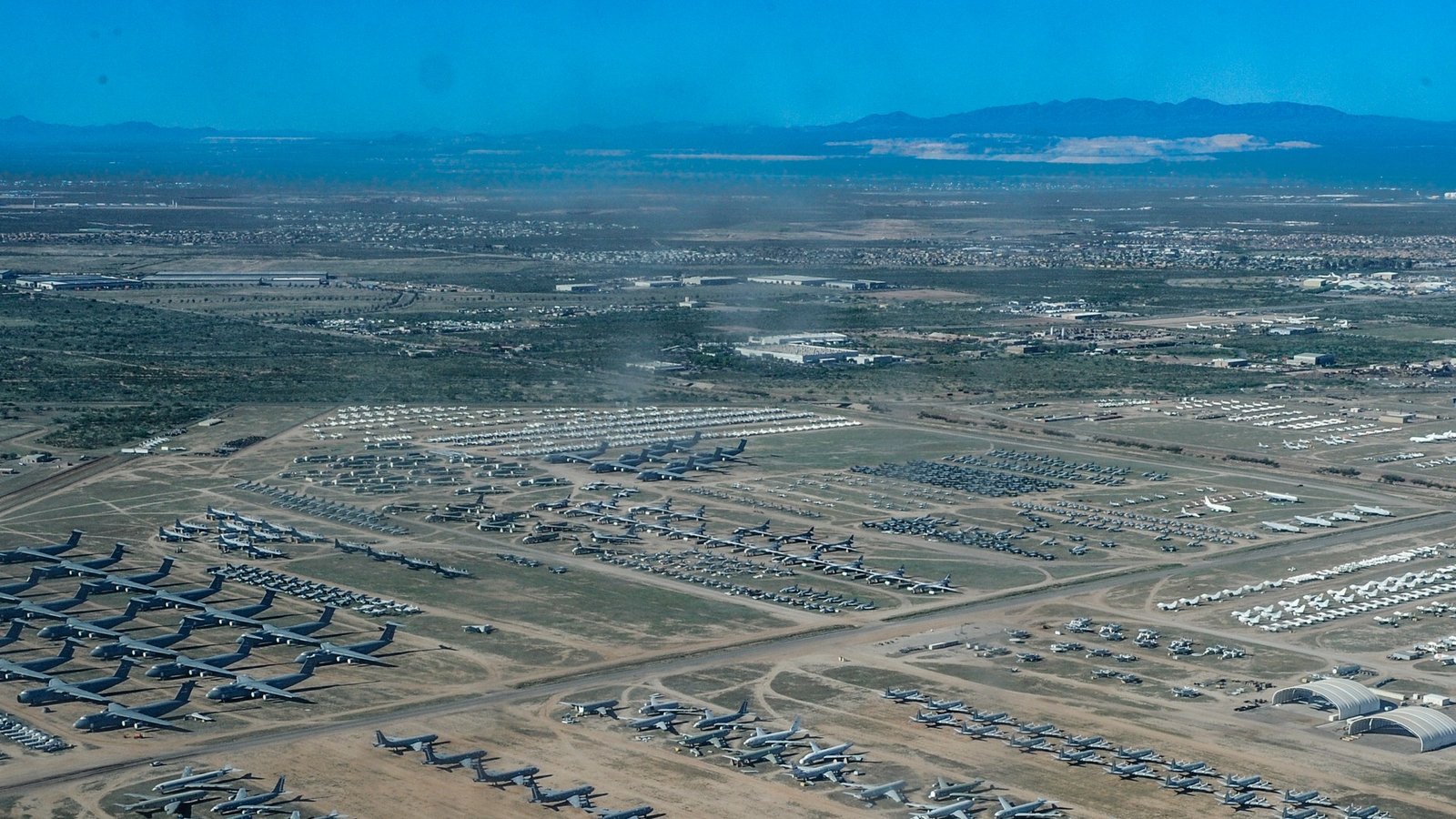
Image source: MyBaseGuide
Why the Davis-Monthan Boneyard Is a Global Landmark
The 309th Aerospace Maintenance and Regeneration Group (AMARG), commonly known as the "Boneyard," is perhaps the most famous feature of Davis-Monthan. Spanning nearly 2,600 acres, it is widely considered one of the largest aircraft storage and preservation facilities in existence. The facility currently manages an inventory of over 4,000 aircraft and dozens of aerospace vehicles from the Air Force, Navy-Marine Corps, Army, Coast Guard, and several federal agencies.
The Science of Desert Preservation
Tucson was not chosen for this mission by accident. The specific geology and climate of the region provide a natural environment for long-term aircraft storage. The low humidity—typically ranging between 10% and 20%—and the minimal annual rainfall (averaging 11 inches) significantly reduce the risk of corrosion and rust. Furthermore, the soil in this part of Arizona contains a high concentration of caliche, a natural cement-like calcium carbonate layer. This hard alkaline soil allows the Air Force to park heavy aircraft directly on the desert floor without the need for massive concrete pads, as the ground can support the immense weight of bombers and cargo planes without them sinking.
Storage Categories and the "Smelter" History
Aircraft at AMARG are not simply left to sit in the sun. They are categorized based on their future utility. Some are kept in "Type 1000" storage, meaning they are preserved for potential return to flight. Others serve as "Type 2000" or "Type 4000" assets, used for spare parts reclamation or eventual disposal. The preservation process involves sealing all openings with a specialized vinyl compound called "Spraylat," which reflects sunlight and keeps internal temperatures manageable. Historically, the base has also been a site for large-scale scrapping programs, such as the 1960s-era program that saw hundreds of B-47 Stratojets processed through a smelter to be recycled into metal ingots, a process detailed by Airplane Boneyards .
Visiting the Boneyard
A common misconception is that the Boneyard is open for public drive-throughs. Due to security protocols, the 309th AMARG is a restricted area. However, the public can view these aircraft through organized tours. These are typically managed via the Pima Air & Space Museum, located adjacent to the base. Visitors should check the museum's current schedule, as tour availability can change based on base security levels and operational requirements.
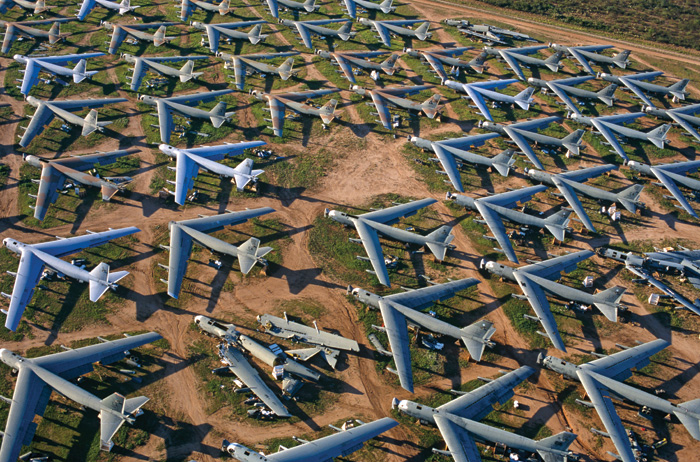
Image source: Military History Matters
Navigating Gate Access and Visitor Requirements
Accessing Davis-Monthan requires navigating several gates, each with specific hours and purposes. For newcomers and visitors, choosing the correct entry point can save significant time, especially during peak morning and afternoon commute hours.
| Gate Name | Hours of Operation | Primary Use |
|---|---|---|
| Craycroft Gate | 24 Hours / 7 Days | Main access, after-hours entry, Visitor Center location. |
| Swan Gate | 0600–1800 (Mon–Fri) | Commuter traffic, residential access. |
| Wilmot Gate | 0600–1800 (Mon–Fri) | Commercial vehicle inspections and deliveries. |
The Visitor Control Center (VCC)
The Visitor Control Center is located at the Craycroft Gate. If you are hosting a guest or need a base pass, this is your primary stop. There is a known discrepancy in reported hours: while the general consensus and official sites often list a 1900 (7:00 PM) closing time, some community reports suggest extended hours until 2130. To avoid being turned away, it is highly recommended to arrive before 1900 or call the VCC at (520) 228-3687 to verify current staffing levels. If the VCC is closed, short-term visitor passes may sometimes be handled by the gate guards at the Craycroft Installation Access Control Point (IACP), though this is subject to current security posture.
Required Documentation
To receive a pass, all visitors must present a valid form of identification. Under the REAL ID Act, certain state driver's licenses may require a secondary form of ID (like a passport) if they are not compliant. Additionally, if you are driving a vehicle onto the base, you must be prepared to show proof of insurance and current vehicle registration. Random vehicle inspections are a standard part of base security, so ensure your vehicle is free of any prohibited items, including weapons or illegal substances, regardless of state-level permits.
Preparing for a Military Relocation to Tucson
Moving to Tucson for an assignment at Davis-Monthan is a unique experience that requires specific lifestyle adjustments. While the city offers a vibrant culture and stunning landscapes, the "Tucson Transition" involves several environmental factors that often catch families off guard.
Housing and the "Off-Base Buffer Zone"
The Tucson housing market has seen significant shifts in recent years. As of 2026, median home prices hover around $313,000, with three-bedroom rentals averaging $1,850. When searching for off-base housing, local airmen often recommend looking at the "buffer zone." While living directly adjacent to the base gates might seem convenient, some areas immediately surrounding the installation experience higher rates of property crime. Many families prefer the 15–20 minute commute from neighborhoods like Rita Ranch, Vail, or the Catalina Foothills, which offer a different pace of life and highly-rated school districts.
Base Housing and Infrastructure
For those choosing to live on base, it is vital to apply for housing immediately upon receiving orders. Davis-Monthan housing is managed by a private partner, and waitlists can be extensive. A recurring issue reported by residents involves HVAC performance during the peak summer months (June through September). With temperatures frequently exceeding 105°F, older cooling systems in base housing can struggle to maintain comfortable indoor temperatures. It is wise to invest in high-quality blackout curtains and portable fans to supplement the central air conditioning.
Managing Desert Health
The Sonoran Desert environment can trigger "desert allergies" in those who have never lived in the Southwest. The Palo Verde trees and local ragweed produce unique pollens that often cause respiratory issues for newcomers. Additionally, the dry air requires a significant increase in water intake to prevent dehydration. If you have pets, be aware of "Valley Fever," a fungal infection found in the soil that can be serious if left untreated. Regular vet checkups and keeping pets from digging in undisturbed soil can help mitigate this risk.
Exploring the Culture and Environment of the Old Pueblo
Life at Davis-Monthan is not just about the mission; it is about integrating into one of the most culturally rich cities in the United States. Tucson, known as the "Old Pueblo," offers a blend of Native American, Spanish, Mexican, and Anglo influences that create a unique atmosphere for military families.
UNESCO City of Gastronomy
Tucson was the first city in the U.S. to be designated a UNESCO City of Gastronomy. This recognition celebrates the region's 4,000-year history of agriculture and its vibrant modern food scene. For airmen, this means access to world-class Mexican cuisine, particularly the famous Sonoran Hot Dog, and a thriving farm-to-table movement. Exploring the restaurants along 4th Avenue and in the downtown corridor is a popular way for base personnel to unwind and support the local community.
The Mt. Lemmon Escape
When the desert heat becomes overwhelming, the "Sky Islands" provide a necessary reprieve. Mt. Lemmon, the highest point in the Santa Catalina Mountains, is just a 45-minute drive from the base. As you ascend the Catalina Highway, you pass through five different life zones—equivalent to driving from Mexico to Canada in terms of biological diversity. At the summit in Summerhaven, temperatures are typically 20 to 30 degrees cooler than on the base, offering opportunities for hiking, skiing in the winter, and escaping the summer sun.
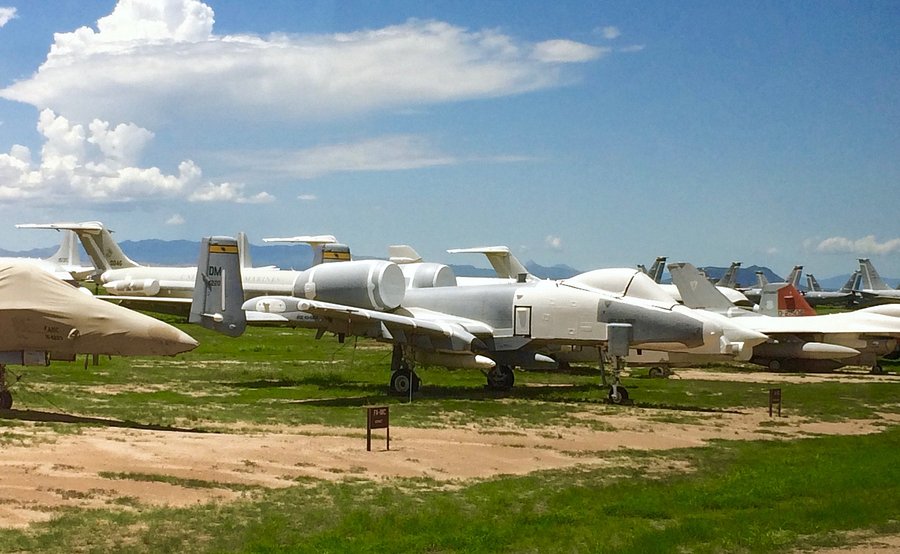
Image source: Tripadvisor
Understanding the Mission of the 355th Wing and Partners
The host unit at Davis-Monthan is the 355th Wing, which operates under the motto "Rescue & Attack." The wing is primarily known for its fleet of A-10 Thunderbolt II aircraft, which provide close air support for ground forces. However, the mission is far broader, encompassing combat search and rescue (CSAR) capabilities that are among the most active in the Air Force.
Key Tenant Units
Beyond the 355th Wing, Davis-Monthan is home to several high-impact tenant units that contribute to national security:
- 55th Electronic Combat Group: Operates the EC-130H Compass Call, providing electronic warfare capabilities to disrupt enemy communications.
- 214th Attack Group (Arizona Air National Guard): Operates the MQ-9 Reaper, providing remotely piloted aircraft support for overseas operations.
- 943rd Rescue Group: An Air Force Reserve unit that specializes in combat search and rescue, often working alongside the active-duty 355th Wing.
- U.S. Customs and Border Protection (CBP): The base serves as a hub for air and marine operations monitoring the southern border.
The economic impact of these units is substantial. According to the ICEMAP partnership report , Davis-Monthan contributes billions of dollars to the Arizona economy annually, supporting thousands of indirect jobs in the Tucson metropolitan area. This partnership ensures that the base remains a top-tier choice for future mission bed-downs and technological advancements.
Frequently Asked Questions About Davis-Monthan
No, the 309th AMARG (Boneyard) is a restricted military area. Civilians cannot drive through the facility on their own. To see the aircraft, you must book a tour through the Pima Air & Space Museum, which provides bus tours through the storage rows when security conditions allow.
The base is situated at an elevation of approximately 2,704 feet (824 meters) above sea level. This higher desert elevation contributes to the slightly cooler nighttime temperatures compared to lower-lying desert cities like Phoenix, though summer days remain extremely hot.
All commercial vehicles, including large moving trucks (like U-Hauls or professional movers), must enter through the Wilmot Search Gate. This gate is specifically equipped to perform the required security inspections for large vehicles. It is typically open Monday through Friday from 0600 to 1800.
Yes, the 355th Medical Group operates a pharmacy on base. There is also a satellite pharmacy located near the Commissary and Base Exchange (BX) for convenient prescription refills. It is recommended to use the TRICARE online portal or the automated phone line to check the status of your prescription before arriving.
For specific events like graduations or retirement ceremonies, the sponsoring unit usually provides a guest list to the Visitor Control Center. Guests must still stop at the VCC at the Craycroft Gate to receive their individual passes. Ensure you have your driver's license, registration, and insurance ready for the clerk.
Key Takeaways for Your Time at Davis-Monthan
Davis-Monthan Air Force Base is a premier installation that offers a unique blend of high-tempo military operations and a high quality of life in the Southwest. To make the most of your time here, keep these essential points in mind:
- Prioritize vehicle maintenance by checking tire pressure and tread frequently to combat the intense Arizona heat.
- Use the Craycroft Gate for all 24/7 access needs and visitor processing, as other gates have limited weekday hours.
- Apply for housing early to navigate the competitive Tucson market and the waitlists for on-base residential areas.
- Visit the Pima Air & Space Museum for the only authorized public access to view the 309th AMARG Boneyard.
- Prepare for the climate by staying hydrated and being aware of local allergens like Palo Verde pollen.
- Explore the local culture by taking advantage of Tucson's status as a UNESCO City of Gastronomy and the nearby escape of Mt. Lemmon.
Start your transition by contacting the 355th Wing Housing Office to secure your place in the Tucson community today.