Home
Who Manages the Georgia Senate Appropriations Health and Human Development Subcommittee?
The Georgia Senate Appropriations Health and Human Development Subcommittee is a critical legislative body that manages the state's healthcare spending. As of 2026, it is chaired by Senator Ben Watson (R-Savannah). The subcommittee oversees the budget for major agencies including the Department of Community Health (DCH) and the Department of Public Health (DPH), playing a pivotal role in funding Medicaid waivers (NOW/COMP) and addressing public health crises like HIV.
Understanding the inner workings of the Georgia General Assembly requires a deep dive into how money is allocated. While many citizens focus on the high-profile debates in the main Senate chamber, the real work of governance often happens in smaller rooms where subcommittees dissect line items in the multi-billion dollar state budget. The Health and Human Development Subcommittee stands as one of the most influential groups in this process, as it directly impacts the quality of life for millions of Georgians reliant on state-funded medical and social services.
Who Are the Current Members of the Health and Human Development Subcommittee?
The leadership of this subcommittee is vital because the Chairman holds significant power over which funding requests move forward to the full Appropriations Committee. Senator Ben Watson, a physician by trade representing Savannah, brings a clinical perspective to the fiscal table. His leadership is often characterized by a balance between conservative fiscal restraint and an understanding of the rising costs of medical technology and provider services.
The geographic diversity of this roster is intentional. By including members from Savannah, Statesboro, and the Metro Atlanta area, the subcommittee ensures that both rural healthcare challenges—such as hospital closures—and urban public health needs are represented. According to official legislative rosters , these members are tasked with reviewing the complex financial requests of agencies that manage everything from foster care to elderly assistance.
How Does the Georgia Senate Subcommittee Differ from the U.S. Senate?
A common point of confusion for residents searching for information is the distinction between the state-level subcommittee and its federal counterpart. While they share similar names, their jurisdictions and impact on your daily life are vastly different. The U.S. Senate Appropriations Subcommittee on Labor, Health and Human Services, and Education handles national agencies like the CDC and NIH. In contrast, the Georgia subcommittee focuses exclusively on the state's portion of the budget.
| Feature | Georgia State Subcommittee | U.S. Senate Subcommittee |
|---|---|---|
| Primary Focus | State Medicaid, DPH, DBHDD | CDC, NIH, Department of Labor |
| Budget Source | State Tax Revenue & Federal Grants | Federal Income Tax & Treasury |
| Local Impact | NOW/COMP Waiver Waitlists | National Research Grants |
| Licensing | State Medical/Nursing Boards | National Standards/Regulations |
For a Georgian, the state subcommittee is often more relevant for immediate service needs. If you are advocating for increased provider rates for local dentists who accept Medicaid, or if you are concerned about the waitlist for disability services in your county, the Georgia Senate Appropriations Health and Human Development Subcommittee is the body that holds the power to change those specific line items. As noted by Ballotpedia , state-level committees are the primary architects of local social safety nets.
What Is the Difference Between the Health Committee and the Appropriations Subcommittee?
In the Georgia General Assembly, there is a fundamental distinction known as "Policy vs. Purse." This is a concept that every advocate must master to be effective. The Senate Health and Human Services Committee is a standing committee that writes the rules. They decide if a new medical procedure should be legal or if a specific type of healthcare facility needs a new license. However, passing a bill in the HHS Committee does not mean the program will ever exist.
The Appropriations Health and Human Development Subcommittee is the "Purse." They determine if the state can actually afford the policy. For example, if the HHS Committee passes a bill to expand mental health screenings in schools, the Appropriations Subcommittee must then find the specific millions of dollars required to pay the counselors. This two-step hurdle is why many bills "die" in the appropriations process even after receiving unanimous support in the policy committee.
How the FY27 Budget Affects Georgia Health and Human Services
As we navigate the 2026-2027 legislative cycle, the Fiscal Year 2027 (FY27) budget is the primary focus of the subcommittee. Georgia is currently in a unique financial position, operating with a total state budget of approximately $42.3 billion . This includes a significant surplus of roughly $3.3 billion, which has sparked intense debate within the subcommittee regarding how much should be saved versus spent on urgent health needs.
Key priorities for the FY27 cycle include:
- Medicaid Provider Rate Increases: Adjusting the reimbursement rates for doctors and specialists to ensure they continue to accept state insurance.
- Behavioral Health Expansion: Allocating funds for new crisis stabilization units to address the growing mental health needs across the state.
- Public Health Infrastructure: Modernizing the data systems used by the Department of Public Health to track disease outbreaks.
According to analysis from Georgians for a Healthy Future , the subcommittee is under pressure to use surplus funds for one-time capital improvements, such as building new clinics, while maintaining a cautious approach to recurring expenses that could strain the budget in leaner years.
Why the Governor’s Flat Funding Request Impacts Medicaid Waivers
One of the most significant challenges facing Chairman Ben Watson and his colleagues is the directive from the Governor’s Office of Planning and Budget (OPB) for "flat funding." This means that state agencies are generally expected to submit budgets that do not increase spending over the previous year. While this fiscal conservatism is a hallmark of Georgia's governance, it creates a direct conflict with the growing demand for disability services.
The New Option Waiver (NOW) and Comprehensive Support Waiver Program (COMP) are lifelines for Georgians with intellectual and developmental disabilities (IDD). These waivers pay for in-home support, job coaching, and specialized medical equipment. However, the waitlist for these services often numbers in the thousands. The Georgia Council on Developmental Disabilities (GCDD) has highlighted that without specific budget increases from the subcommittee, these waitlists will continue to grow despite the state's healthy surplus.
How Funding Decisions Impact Georgia’s HIV Crisis and PrEP Access
Georgia currently faces a public health challenge that ranks among the most severe in the nation. The state’s HIV diagnosis rate is 23.1 per 100,000 residents , a figure that is more than double the national average. This data point is a frequent topic of discussion during subcommittee hearings, as members weigh the costs of prevention versus the long-term costs of treatment.
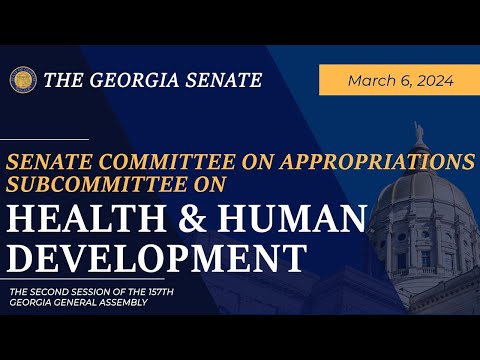
Image source: YouTube
The subcommittee’s funding of initiatives like SB 195, which allows pharmacists to dispense PrEP (pre-exposure prophylaxis) without a traditional doctor's prescription, is a significant advancement in the state's strategy. However, the "purse strings" controlled by the subcommittee determine how many community health centers can actually afford to stock and distribute these medications to high-risk populations in rural Georgia.
How to Provide Outside Witness Testimony to the Subcommittee
If you are an advocate or a concerned citizen, providing "Outside Witness Testimony" is one of the most effective ways to influence the budget. The subcommittee members rely on these real-world stories to understand how their spreadsheet decisions affect actual families. Here is a recommended approach to providing testimony:
- Monitor the Calendar: Check the Georgia State Senate website regularly for "Appropriations - Health and Human Development" meeting notices. These are often posted with only 24-48 hours' notice.
- Contact the Chairman's Office: Reach out to Senator Ben Watson’s office (404-656-7880) to request to be added to the speaker list. Be prepared to state exactly which budget item you are addressing.
- Prepare Your Data: You will typically have only 3 minutes to speak. Focus on one specific data point (e.g., "Our clinic has a 6-month waitlist") rather than a broad emotional appeal.
- Submit Written Backup: Always bring 15-20 hard copies of a one-page summary of your testimony to hand to the committee secretary for the official record.
Where to Watch Subcommittee Meetings and Access Archives
Transparency is a key component of the Georgia legislative process. If you cannot attend a meeting in person at the Coverdell Legislative Office Building (CLOB) in Atlanta, you can watch the proceedings remotely. The Georgia State Senate utilizes Vimeo for its video archives , allowing the public to review past budget hearings and witness testimony.
Reviewing these archives is a top-tier strategy for anyone planning to testify. By watching how Chairman Watson and the other members interact with agency heads, you can learn which types of questions they ask and what specific financial metrics they value most. This "intelligence gathering" can help you tailor your own presentation to be more impactful.
Frequently Asked Questions
Who is the current chair of the Georgia Senate Appropriations Health and Human Development Subcommittee?
As of the 2026 legislative session, the subcommittee is chaired by Senator Ben Watson, a Republican representing the 1st District (Savannah). Senator Watson is a physician, which provides him with a unique perspective on the healthcare budget items he oversees.
What specific agencies does this subcommittee oversee?
The subcommittee is responsible for the budgets of the Department of Community Health (DCH), the Department of Public Health (DPH), the Department of Behavioral Health and Developmental Disabilities (DBHDD), and the Department of Human Services (DHS). This covers Medicaid, foster care, mental health services, and disease prevention.
How can I contact the subcommittee members?
You can contact the general Senate Appropriations office at 404-656-5038. For specific members, it is best to look up their individual office numbers in the Coverdell Legislative Office Building via the official Georgia General Assembly website.
What is the difference between NOW and COMP waivers?
The NOW (New Option Waiver) is designed for individuals who need less intensive support to remain in their homes, while the COMP (Comprehensive) waiver is for those who require 24/7 care or more significant medical and behavioral interventions. Both are funded through the subcommittee's budget allocations.
Can the public attend these subcommittee meetings?
Yes, subcommittee meetings are generally open to the public. They are typically held in the Coverdell Legislative Office Building (CLOB) across from the State Capitol. However, seating is limited, so arriving early is highly recommended for high-profile budget hearings.
Summary of Key Takeaways for Georgia Residents
Key Takeaways
- Leadership Matters: Senator Ben Watson chairs the subcommittee, bringing a medical background to the state's healthcare fiscal decisions.
- The Purse Strings: This subcommittee determines the actual funding for health policies, acting as the final hurdle for many legislative initiatives.
- FY27 Focus: The current budget cycle is navigating a $42.3 billion total budget with a focus on Medicaid provider rates and mental health expansion.
- Waiver Crisis: Advocates are pushing the subcommittee to move beyond the Governor's "flat funding" request to address IDD waiver waitlists.
- Public Health Priority: Addressing Georgia's high HIV rate (23.1 per 100,000) remains a significant budgetary and policy challenge.
- Citizen Input: You can influence the process by providing concise, data-driven Outside Witness Testimony during scheduled hearings.
To stay informed on the latest budget movements, regularly check the Senate's official video archives and meeting calendars.