Home
Why the Hadada Ibis Is Africa’s Most Famous Urban Bird
The Hadada ibis ( Bostrychia hagedash ) is a large, terrestrial bird native to Sub-Saharan Africa, widely recognized for its raucous, trumpeting call. Unlike many species that retreat from human development, the Hadada has thrived in urban environments, expanding its range by approximately 2.5 times over the last century. It is a top choice for natural pest control in gardens, using a specialized bill to probe for larvae and insects.
For anyone living in or visiting the suburbs of South Africa, Kenya, or Tanzania, the Hadada ibis is more than just a bird; it is a cultural fixture. Often referred to as the "natural alarm clock" of the continent, its dawn and dusk choruses are a defining sound of the African landscape. While some find their volume startling, these birds represent a remarkable success story of adaptation in the Anthropocene.
What Makes the Hadada Ibis So Distinctive?
At first glance, the Hadada ibis might appear to be a plain, olive-brown bird. However, closer inspection reveals a complex array of physical and behavioral traits that distinguish it from other members of the Threskiornithidae family. According to the Maryland Zoo , their sturdy build and specific plumage markers make them easily identifiable once you know what to look for.
How to Recognize the "Haa-haa-de-dah" Call
The name "Hadada" is an onomatopoeia, mimicking the bird's loud, three-to-four note trumpeting call. This vocalization is typically heard when the birds are startled or when they are commuting between their nocturnal roosts and daytime feeding grounds. The call is remarkably loud, often reaching decibel levels that can be heard from over a kilometer away.
Ornithologists believe these calls serve multiple purposes. Primarily, they function as territorial signals and group coordination tools. Because Hadadas often fly in small, loose groups, the raucous "haa-de-dah" helps individuals maintain contact in low-light conditions at dawn and dusk. For residents, this sound is the most reliable way to identify the species without even seeing it.
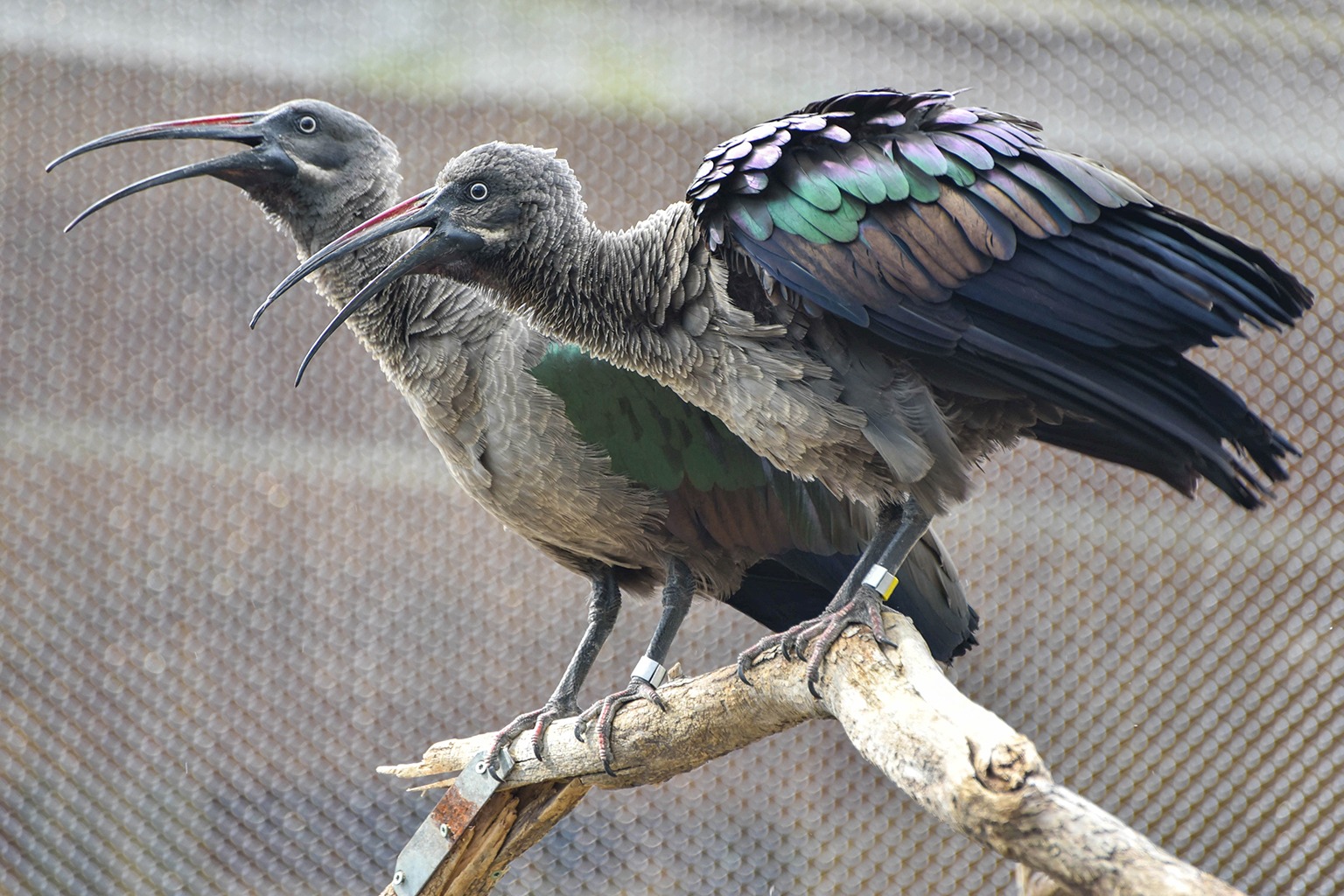
Image source: The Maryland Zoo
The Secret Physics Behind Those Iridescent Wings
One of the most striking features of the Hadada is the iridescent sheen on its wing coverts. In dull light, the wings appear dark brown or grey, but when caught by direct sunlight, they shimmer with vibrant shades of emerald green, bronze, and purple. This is not the result of green pigment; rather, it is a phenomenon known as structural color.
The feathers contain microscopic layers of keratin that act as a thin-film interference filter. As light hits these microstructures, it scatters and reflects at different angles, creating the metallic glow. This feature is a top-tier identification mark that separates the Hadada from the more matte-colored Sacred ibis. Many birdwatchers find that the iridescence is most visible during the bird's slow, heavy-flapping flight.
Why the White Cheek Stripe Isn't Actually a Moustache
A common misconception among casual observers is that the Hadada ibis has a "white moustache." In reality, this is a distinct white stripe of feathers located just below the eye on the cheek. Crucially, this stripe does not reach the corner of the bill, a nuance that distinguishes it from similar-looking ibis species in other parts of the world. This mark is present in both males and females, as the species is not sexually dimorphic in plumage.
How the Hadada Ibis Conquered African Suburbs
While many African bird species have seen their populations dwindle due to habitat loss, the Hadada ibis has experienced a significant population boom. This expansion is widely considered one of the most successful avian adaptations to human-altered landscapes in recent history.
From Near-Extinction to a 250% Range Expansion
In the early 20th century, the Hadada ibis was relatively restricted to riverine forests and wetlands. In parts of South Africa, they were considered rare or even locally extinct due to hunting and habitat constraints. However, the timeline of their recovery is remarkable. Between 1910 and the present day, their range expanded by approximately 2.5 times.
Why Your Garden Is the Perfect Habitat
The primary driver of this expansion is the "suburban buffet." In their natural habitat, Hadadas rely on moist soil to probe for food. During dry seasons, this can be difficult. However, urban gardens with automated irrigation systems provide soft, damp soil year-round. Manicured lawns are particularly attractive because they harbor high densities of earthworms, beetle larvae (such as white grubs), and snails.
Furthermore, the planting of tall, non-native trees (like Eucalyptus or Jacaranda) in previously treeless grasslands has provided the Hadada with safe, elevated roosting sites away from terrestrial predators. This combination of constant food and secure housing has made the suburban garden a top-tier habitat for the species.
How to Tell the Difference Between Common African Ibises
In urban and semi-rural Africa, three ibis species are frequently confused. Distinguishing them is essential for accurate bird counting and understanding local ecology. The following framework highlights the key differences based on data from Wikipedia and field observations.
| Feature | Hadada Ibis | Sacred Ibis | Glossy Ibis |
|---|---|---|---|
| Primary Color | Olive-Brown | White | Maroon/Bronze |
| Head/Neck | Fully Feathered | Bald & Black | Fully Feathered |
| Key Mark | White cheek stripe | Black wing tips | No cheek stripe |
| Sound | Extremely loud "Haa-de-dah" | Mostly silent/croaks | Muted grunts |
| Urban Presence | High (Gardens) | Moderate (Landfills) | Low (Marshes) |
The Unique Biology of a Tactile Feeder
The Hadada ibis is a specialist in "tactile feeding," a method that allows it to find food that other birds cannot see. This biological niche is a major reason why they are so successful in diverse environments.
How Their Bills "Feel" for Food in the Mud
The long, decurved bill of the Hadada is not just a pair of tweezers; it is a highly sensitive sensory organ. The tip of the bill contains specialized nerve endings called Herbst corpuscles, housed in tiny sensory pits in the bone. These allow the bird to detect minute vibrations and pressure changes caused by the movement of prey underground.
When foraging, the Hadada performs a "probing" motion, sticking its bill deep into soft soil. It does not need to see the worm or larva; it simply feels the movement and snaps its bill shut with a reflexive action. This ability allows them to feed effectively in thick grass or even in total darkness, giving them a significant advantage over visual hunters like plovers or egrets.
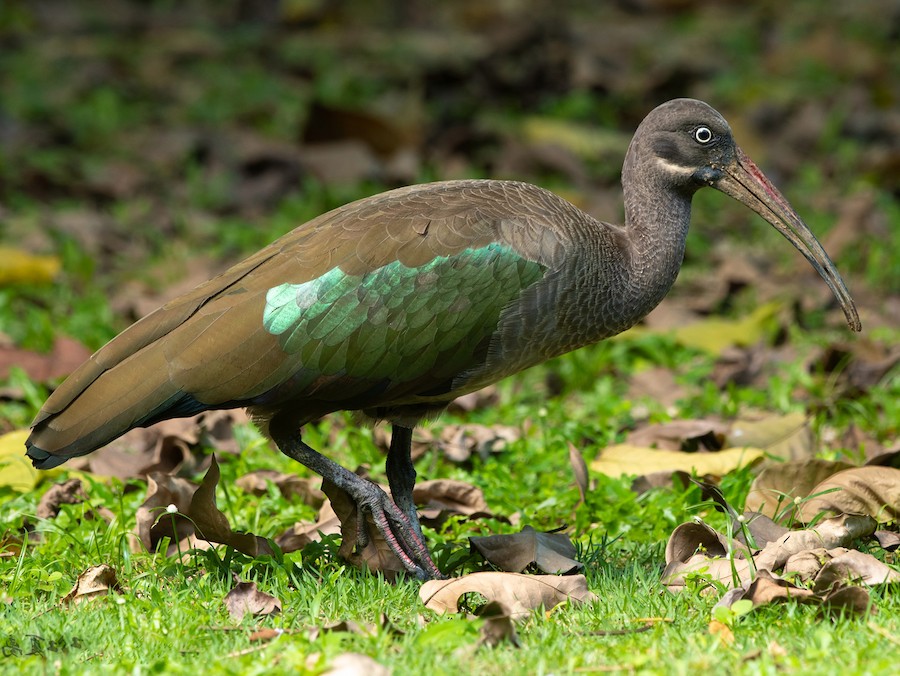
Image source: eBird
The Only Ibis That Eats Its Vegetables
While most ibises are strictly carnivorous, the Hadada ibis stands out for its dietary flexibility. According to the Lincoln Park Zoo , the Hadada is the only known ibis species to supplement its diet with plant matter, including fruits and certain vegetables. While insects, spiders, and small reptiles make up the bulk of their intake, this omnivorous lean helps them survive during periods when insect populations are low.
Visual Signs of the Breeding Season
During the breeding season, the Hadada undergoes subtle but important physical changes. The "culmen" (the top ridge of the upper bill) often turns a bright red, and the skin on the toes may also take on a reddish hue. These are visual indicators of hormonal changes and maturity, signaling to potential mates that the individual is ready to breed. They are monogamous birds, often returning to the same nesting site year after year, typically constructing a platform of sticks high in a tree canopy.
Living With Hadadas in Your Neighborhood
Living alongside Hadadas requires a degree of patience and understanding. While they are beneficial to the ecosystem, their presence in high-density residential areas can lead to specific challenges for homeowners.
Dealing With the "Natural Alarm Clock" at Dawn
The most common complaint regarding Hadadas is their noise. Because they are most active at dawn, their loud calls can be disruptive to sleep. This behavior is linked to their roosting patterns; they leave their communal roosts just as the sun rises to head to feeding grounds. Understanding that this is a brief, 15-minute window of activity can help residents tolerate the noise as a natural part of the African suburban experience.
The Truth About Hadada Mites and Garden Trees
A frequent concern in community forums is the presence of "bird mites" in trees where Hadadas roost. While it is true that Hadadas, like all birds, carry ectoparasites, these mites are generally host-specific. They rarely pose a threat to humans unless a nest is located directly against a window or ventilation shaft. If you have Hadadas roosting in your garden, the risk of infestation is exceptionally low, and the birds should not be removed for this reason alone.
How to Humanely Discourage Roosting
If the noise or droppings become unmanageable in a small residential complex, there are humane ways to encourage the birds to move elsewhere. According to ecological consultants, thinning out the dense upper canopy of favored roosting trees can make the site feel less secure to the birds. Additionally, using motion-activated lights (which do not harm the birds) can discourage them from settling in a specific tree. It is important to note that in many regions, these birds are protected, and harming them or their active nests is illegal.
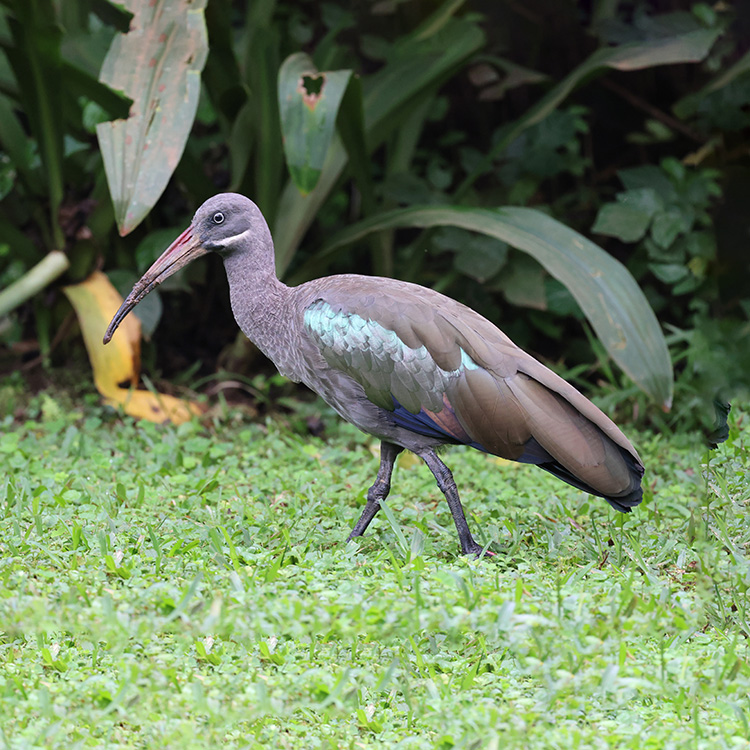
Image source: BirdLife Data Zone - BirdLife International
Why Gardeners Should Welcome These Birds
Despite the noise, the Hadada ibis is widely regarded as a "gardener's best friend." Their presence in a backyard is a sign of a healthy, pesticide-free ecosystem.
Natural Pest Control and Soil Aeration
Hadadas are highly effective at controlling garden pests that are difficult for humans to manage. They specifically target the larvae of the Christmas beetle and other soil-dwelling insects that eat the roots of grass and ornamental plants. By consuming these larvae, they prevent lawn die-back without the need for chemical interventions.
Furthermore, their constant probing acts as a form of natural soil aeration. As they insert their long bills into the ground, they create small holes that allow oxygen, water, and nutrients to reach the root zone of the grass more effectively. A garden visited regularly by Hadadas often has healthier soil structure than one that is strictly manicured and bird-free.
Frequently Asked Questions
The Bottom Line on the Hadada Ibis
The Hadada ibis is a remarkable example of a species that has turned the challenges of urbanization into a survival advantage. While their vocal nature can be polarizing, their ecological benefits and unique biology make them a fascinating neighbor.
- Identification: Look for the iridescent wing patch and the distinctive white cheek stripe .
- Sound: The name is an onomatopoeia of their loud, raucous "haa-haa-de-dah" call heard at dawn.
- Diet: They are tactile feeders that provide free pest control by eating larvae and aerating soil.
- Adaptability: They have expanded their range by 2.5x since the early 1900s, thriving on irrigated lawns.
- Conservation: Currently a species of Least Concern , representing a major success story for African wildlife.
- Urban Role: They serve as a natural alarm clock and a key indicator of a healthy suburban ecosystem.
Next time you hear the unmistakable cry of a Hadada at sunrise, take a moment to appreciate this iridescent survivor that has made itself at home in the heart of the city.